The Statue of Ramses II is a colossal red granite statue of Pharaoh Ramses II, carved during his 19th-Dynasty reign around the 13th century BCE and standing about 10 meters tall without its base. Originally erected in ancient Memphis, Egypt’s old capital, it now stands in the atrium of the Grand Egyptian Museum near Giza.
Key Takeaways
- Carved from a single block of red granite, the statue stands about 10 meters tall without its base
- Dates to the reign of Ramses II in the 19th Dynasty, roughly the 13th century BCE — over 3,200 years old
- Originally stood in ancient Memphis, Egypt’s old capital, before being relocated for preservation
- Now displayed in the atrium of the Grand Egyptian Museum near Giza, alongside artifacts from the Valley of the Kings and Tutankhamun
- Ramses II’s reign included building the Abu Simbel Temples and the Ramesseum Temple in Luxor, and his campaigns reached as far as modern-day Syria, commemorated by the Battle of Kadesh
Who Was Ramses II
Ramses II, also known as Ramses the Great, ruled during the Egypt 19th Dynasty, in one of the longest and most prosperous reigns in Egyptian history. His military campaigns extended Egypt’s reach as far as modern-day Syria, with the Battle Of Kadesh standing out as his most famous military engagement, recorded in temple inscriptions. His building projects included the Abu Simbel Temples and the Ramesseum Temple in Luxor City.
History and Discovery of the Statue
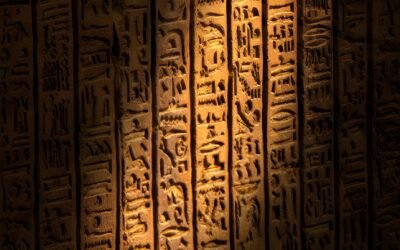
The statue originally stood in the ancient city of Memphis Egypt, The Old Egyptian Capital, where it served as a marker of Ramses II’s authority over his empire. It was carved from a single block of red granite, and its facial features, headdress, and hieroglyphic inscriptions reflect the precision of ancient Egyptian sculptors working without modern tools. Discovered in the ruins of Memphis, the statue was later relocated for preservation. A different colossus of Ramses II, carved in limestone and measuring over 10 meters, remains on display at Memphis itself.
Where to See the Statue Today
The statue now stands in the atrium of the The Grand Egyptian Museum, near Giza City, greeting visitors at the museum’s entrance. The museum also houses treasures from The Valley Of The Kings and artifacts associated with Tutankhamun.
Nearby Sites to Pair With Your Visit
A visit to the statue is often combined with the The Great Pyramids Of Giza, the Sphinx Statue, and The Nile River. For a fuller picture of the period, travelers also visit Sakkara Necropolis and Dahshour, and can sail the Nile on the Best Nile River Cruises, with stops at the later, Ptolemaic-era Temple Of Philae and Kom Ombo Temple. The Luxor Temple and Karnak Temple further illustrate the artistic style of the period.
FAQs About the Statue of Ramses II
Where is the Statue of Ramses II located today?
The Statue of Ramses II is located in the The Grand Egyptian Museum near Giza. It welcomes visitors at the main entrance, symbolizing Egypt’s royal heritage.
How old is the Statue of Ramses II?
The statue dates back to the reign of Ramses II, around the 13th century BCE, making it over 3,200 years old.
What materials were used to make the Statue of Ramses II?
The statue was carved from a single block of red granite, showcasing the technical mastery of ancient Egyptian sculptors.
Can I see the Statue of Ramses II during a guided Egypt tour?
Yes, many Ancient Egypt Tours include a visit to the Grand Egyptian Museum, where the statue is displayed.
What other historical sites are near the Statue of Ramses II?
Nearby attractions include the The Great Pyramids Of Giza, Sphinx Statue, and Sakkara Necropolis, making it easy to explore Egypt’s ancient wonders in one area.