Discover the Mysteries of the Valley of the Kings
Hidden in the arid cliffs of Luxor’s West Bank lies one of the most extraordinary archaeological treasures of the ancient world: the Valley of the Kings. This sacred burial ground served as the final resting place for Egypt’s most powerful pharaohs of the New Kingdom, including the legendary Tutankhamun, Ramses II, and Seti I. Visiting this valley is like stepping back more than 3,000 years to witness the timeless artistry and profound spiritual beliefs that shaped Egyptian civilization. If you’re planning to explore Egypt’s royal heritage, this destination must be on your travel list. Pairing it with a cruise such as the Best Nile River Cruises offers a truly majestic experience.
Attention: Why the Valley of the Kings Captures Global Imagination
The Valley of the Kings isn’t just a tourist site—it’s a gateway into the heart of ancient Egyptian beliefs about death, rebirth, and eternity. Established during the 18th dynasty, this necropolis replaced the pyramids as the royal burial ground. Pharaohs sought protection from grave robbers by hiding their tombs deep within the limestone mountains. Today, archaeologists and travelers alike continue to be captivated by the valley’s intricate tombs, vibrant wall paintings, and mysterious atmosphere.
Located near Luxor City, the Valley of the Kings lies close to other impressive landmarks such as the Temple of Hatshepsut and the Colossi of Memnon. Together, they form a royal landscape that continues to reveal new secrets about Egypt’s golden age.
Interest: What Makes the Valley of the Kings So Special?
The valley contains over 60 tombs, each carved with exquisite detail and decorated with mythological scenes illustrating the pharaoh’s journey to the afterlife. The tomb of Tutankhamun, discovered in 1922 by Howard Carter, remains the most famous, thanks to the vast treasures it contained, including the iconic King Tutankhamun’s Mask. Other magnificent tombs, such as the Tomb of Ramses VI and the Temple of Seti, stand as masterpieces of ancient art and engineering.
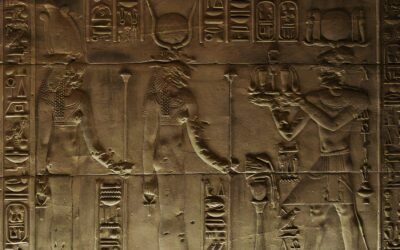
While the valley’s tombs were originally concealed, modern travelers can now explore several of them. The preserved hieroglyphics still shine brightly with natural pigments, telling stories of gods like Osiris and Ra. Each chamber whispers ancient secrets, making every visit a journey of discovery and wonder.
Explore the Valley’s Surrounding Wonders
Beyond the Valley of the Kings, Luxor’s West Bank is home to remarkable temples and tombs dedicated to queens, nobles, and deities. A visit to the Valley of the Queens unveils the opulent Tomb of Nefertari, considered one of Egypt’s most beautiful. Near the valley, the Habu Temple of Ramses III presents vivid battle scenes that showcase the artistic mastery of the ancient world.
To delve deeper into Egypt’s cultural legacy, complement your visit with a tour of the Karnak Temple and the Luxor Temple. Together, they offer a complete picture of Egypt’s religious devotion and royal grandeur.
Desire: Experience the Valley of the Kings Like a Pharaoh
Imagine walking through the same corridors where pharaohs were laid to rest, surrounded by walls painted in gold and lapis lazuli tones. Every step through the Valley of the Kings connects you to the divine narrative that once guided Egypt’s rulers. To enhance your exploration, consider booking one of the expertly curated Egypt tour with Nile cruise options, offering an unforgettable blend of history and luxury.
Travelers seeking premium experiences can choose a luxury Egypt tour package that includes guided visits to the valley, exclusive tomb access, and stays in five-star accommodations. For a more immersive journey, the 14 day Egypt tour or 6 day Egypt tour provides ample time to explore both Upper and Lower Egypt, unveiling the country’s vast archaeological treasures.
If you prefer a shorter excursion, the 4 day Egypt tour offers a compact yet enriching experience of Egypt’s highlights, including Luxor’s royal tombs. Families can also enjoy the wonders of ancient Egypt through the Egypt family vacation tour, which brings history to life for travelers of all ages.
Travel Tip: Combine Luxor with a Scenic Nile Cruise
One of the most rewarding ways to reach the Valley of the Kings is by embarking on a Nile cruise. The Oberoi Philae Nile Cruise and the Sonesta St George Nile Cruise offer tailored itineraries that combine comfort and culture. These journeys allow travelers to visit iconic landmarks such as Edfu Temple and Kom Ombo Temple before arriving at Luxor’s ancient wonders.
For a boutique experience, consider a Luxury Dahabiya Nile Cruise where you can sail the Nile in elegance, surrounded by timeless scenery and expert Egyptologists offering private insights into the Valley of the Kings.
Action: Plan Your Visit to the Valley of the Kings
There’s no better time to explore the Valley of the Kings than now. Egypt’s tourism infrastructure has evolved tremendously, offering safe, accessible, and educational visits. Pairing your exploration with one of the professionally designed Egypt Tour Packages ensures that you experience the country’s highlights with exceptional guidance and convenience.
If you’re considering customizing your journey, the private guided tour of Egypt option promises personalized itineraries, expert Egyptologists, and exclusive access to restricted tombs. For those looking to indulge in absolute comfort, a Egypt luxury trip combines five-star accommodations with unforgettable historical exploration.
Whether you’re a history lover, a photography enthusiast, or a curious traveler, the Valley of the Kings offers a once-in-a-lifetime adventure. Step into the silent chambers of ancient kings and feel the pulse of Egypt’s eternal legacy.
Frequently Asked Questions About the Valley of the Kings
1. Where is the Valley of the Kings located?
The Valley of the Kings is located on the west bank of the Nile River near Luxor City. It is part of the Theban Necropolis, an area filled with royal tombs and temples dedicated to the gods and pharaohs of ancient Egypt.
2. How many tombs are in the Valley of the Kings?
There are over 60 known tombs in the Valley of the Kings. Some are small and unfinished, while others, like those of Ramses VI and Seti I, are extensive, decorated, and remarkably well preserved.
3. Can visitors enter the tombs?
Yes, several tombs are open to the public on a rotating basis to protect them from damage. Tickets grant access to three tombs, with additional ones available for an extra fee. Many travelers choose guided access through a Egypt private tour package for deeper insights.
4. What is the best time to visit the Valley of the Kings?
The ideal time to visit is between October and April when temperatures are moderate. Many travelers include it in their best Egypt itinerary for a comfortable and enriching experience.
5. How can I include the Valley of the Kings in my Egypt trip?
You can add the Valley of the Kings to many Egypt Vacation Packages. Whether you prefer a short trip like the Egypt itinerary 8 days with Nile cruise or an extended adventure, professional tours ensure seamless travel, local expertise, and unforgettable memories.