The Temple of Seti I: A Timeless Masterpiece of Ancient Egypt
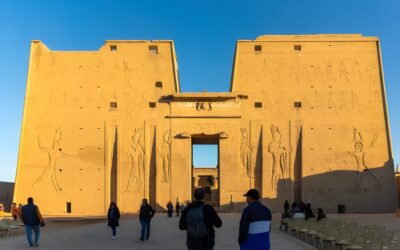
Hidden in the sacred city of Abydos, the Temple of Seti I stands as one of Egypt’s most remarkable archaeological treasures. Built during the reign of Pharaoh Seti I of the Egypt 19th Dynasty, this magnificent structure reflects both spiritual devotion and artistic mastery. It’s not just a temple—it’s a chronicle of Egyptian eternity, echoing stories of gods, kings, and the divine order of the universe.
Attention: Why The Temple of Seti I Deserves a Top Spot on Your Egypt Bucket List
If you’re planning a journey through Egypt’s legendary landscapes, the Temple of Seti I should be on your itinerary. This temple, located in Upper Egypt near Luxor City, offers an unparalleled look into the craftsmanship of the New Kingdom. The temple’s exquisite bas-reliefs and hieroglyphs are considered among the best-preserved in all of Egypt, surpassing even the artwork found in the The Valley Of The Kings or the Karnak Temple.
From its delicate carvings to the mysterious Abydos King List, every inch of the Temple of Seti I whispers the heritage of the pharaohs. This site draws historians, spiritual seekers, and travelers who crave authentic connections to Egypt’s past. For those embarking on a historical adventure, booking one of the Egypt tour with Nile cruise packages ensures a seamless journey through these timeless wonders.
Interest: The Story and Symbolism Behind the Temple of Seti I
Construction of the Temple of Seti I began under the reign of Seti I and was completed by his son, Ramses II, who would later create his own monumental masterpiece, the Ramesseum Temple. The temple was dedicated to a pantheon of gods such as Osiris, Isis, Horus, and Ptah. Its famous “Abydos King List” carved on the walls records seventy-six pharaohs, serving as a sacred lineage connecting Seti I to his divine ancestors.
The temple’s design is unique. It follows a traditional axial plan but with L-shaped extensions, symbolizing the journey from the physical to the spiritual realm. Among its seven sanctuaries, the one dedicated to Osiris holds special significance as Abydos was believed to be the burial place of this god of the afterlife. Travelers who are fascinated by ancient mythology can enrich their understanding by exploring related tales such as The Legend Of Osiris And Isis.
Desire: The Artistic Brilliance of the Temple’s Reliefs
The Temple of Seti I is famous for its colorful reliefs—evidence of unparalleled artistry. The carvings depict scenes of offerings to the gods, royal rituals, and symbolic representations of eternity. The craftsmanship here is softer, more refined, and emotional compared to other temples from the same era. The temple’s walls tell stories of cosmic harmony, reincarnation, and the unending dance between life and death.
Within Abydos, this temple also connects to the Osireion, a subterranean structure believed to represent the tomb of Osiris. Scholars continue to debate its purpose, adding an air of mystery to the site. Visitors seeking a deeper connection with Egypt’s sacred architecture may also enjoy exploring the Temple Of Hatshepsut in Deir el-Bahari or the Dandara Temple dedicated to the goddess Hathor.
Action: Planning Your Visit to the Temple of Seti I
Reaching the Temple of Seti I is easier than ever, thanks to well-structured Egypt Vacation Packages that include guided tours through Luxor and Abydos. A private guide can bring the ancient carvings to life, explaining the intricate details of each relief and helping you uncover the stories hidden in the stone. For those who prefer a personalized journey, a private guided tour of Egypt offers the flexibility and depth that history lovers crave.
Many travelers pair their Abydos exploration with a luxurious Nile experience, choosing from the Best Nile River Cruises that stop at key sites between Luxor and Aswan. These cruises combine comfort, history, and breathtaking scenery, ensuring your journey along the The Nile River is as memorable as the destinations themselves.
Exploring More Near Abydos
While visiting the Temple of Seti I, travelers can extend their exploration to other temples and tombs in Upper Egypt. Don’t miss the Luxor Temple and the Colossi Of Memnon, which stand as powerful reminders of Egypt’s architectural genius. To understand the connection between these monuments, consider joining a 8 day Cairo and Nile cruise tour that highlights both Egypt’s spiritual and artistic heritage.
For an even more immersive experience, travelers can add a stop at the Temple Of Philae in Aswan or the stunning Abu Simbel Temples, both of which showcase similar artistic brilliance and devotion. These sites together provide a full spectrum of ancient Egyptian religion and architecture, giving travelers a complete appreciation of the pharaonic world.
The Legacy of Seti I and His Dynasty
Seti I was a pharaoh deeply devoted to restoring Egypt’s former glory after the tumultuous reign of Akhenaten. His dedication to order, tradition, and art is reflected in every stone of his temple. This devotion was carried on by his son Ramses II, remembered for his military victories and monumental constructions. The temple thus not only honors the gods but also symbolizes the enduring legacy of Egypt’s golden age.
Historians often link Seti I’s reign with monumental military events like the Battle Of Kadesh, which defined Egypt’s relations with the Hittites. The imagery within his temple also highlights his divine connection, reinforcing the pharaoh’s role as the bridge between gods and humans.
Experience the Temple Through a Tailored Tour
For travelers seeking a personalized and luxurious experience, booking a luxury private tour Egypt is the best way to explore the Temple of Seti I. These tours often combine Abydos with other historical sites, providing private transportation, expert Egyptologists, and exclusive access to restricted areas. You can also plan your trip as part of a 14 day Egypt tour to cover all major temples and royal tombs across the country.
Families, on the other hand, can opt for an Egypt family vacation tour that weaves together education, adventure, and relaxation—perfect for introducing children to the magic of ancient civilizations. Whether traveling alone or with loved ones, the Temple of Seti I offers an unforgettable journey back to the roots of human creativity and faith.
Conclusion: Why the Temple of Seti I Captures the Soul of Egypt
The Temple of Seti I is more than a monument; it is a living archive of Egyptian spirituality, art, and royal devotion. Its walls speak of divine order, eternal life, and the power of kings who shaped human history. Standing within its sacred halls, visitors can feel the timeless rhythm of ancient Egypt resonating through every carving and column.
For anyone seeking a deeper connection with the land of the pharaohs, the Temple of Seti I in Abydos is a must-visit destination. Pair it with other iconic sites like the Valley Of The Queens and the Luxor Museum to complete your exploration of Upper Egypt’s monumental heritage. Let your next trip through Egypt Tour Packages be the bridge between history and eternity.
FAQs about the Temple of Seti I
1. Where is the Temple of Seti I located?
The Temple of Seti I is located in Abydos, about 11 km west of the Nile River in Upper Egypt. It’s easily accessible from Luxor City.
2. Who built the Temple of Seti I?
The temple was commissioned by Pharaoh Seti I and completed by his son Ramses II, one of Egypt’s most powerful rulers.
3. What makes the Temple of Seti I unique?
It features some of the best-preserved bas-reliefs in Egypt and contains the Abydos King List, a chronological record of Egyptian rulers.
4. Can visitors enter the Temple of Seti I?
Yes, visitors can explore the temple’s many chambers, sanctuaries, and corridors with a licensed guide through specialized tours like the private Egypt trip.
5. What other attractions are near the Temple of Seti I?
Nearby attractions include the Osireion, the Temple Of Khnum at Esna, and the royal tombs of The Valley Of The Kings, making the area a treasure trove for Egyptology enthusiasts.