Ihy is the Egyptian god of music, the youthful son of the goddess Hathor and the god Horus. Depicted holding a sistrum, a sacred rattle-like instrument, he embodied joy, rhythm, and the rejuvenating power of sound. Ihy was worshipped chiefly at the Dandara Temple, his mother Hathor’s cult center, where music and dance were central to ritual.
Key Takeaways
- Ihy was the son of Hathor, goddess of love, beauty, and music, and the god Horus.
- He is depicted holding a sistrum, the sacred rattle-like instrument used by priestesses in Hathor’s worship, symbolizing the awakening of life and fertility.
- Ihy was worshipped primarily at the Dandara Temple, Hathor’s main sanctuary.
- Temples including Luxor Temple and the Temple Of Hatshepsut hosted musical rituals meant to maintain Ma’at, or universal balance and order.
- Ancient instruments tied to this tradition—harps, lyres, flutes, and sistrums—have been found in tombs and temples and are on display at the Nubian Museum In Aswan.
Music in ancient Egypt was more than entertainment—it was a sacred art connected with the divine. Egyptians believed songs and instruments could connect humans with gods, creating harmony between earth and heaven, whether chanted within the grand halls of the Karnak Temple or accompanied by the faint sound of sistrums during ceremonies at the Temple Of Philae. Among all deities, Ihy embodied joy, rhythm, and the rejuvenating power of sound. A cultural exploration through Ancient Egypt Tours offers insight into the temples where music and divinity converged.
Who Was Ihy?
Ihy, often depicted as a youthful deity holding a sistrum, represented the joy of music and its ability to invoke divine presence. His mother, Hathor, was the goddess of love, beauty, and music, worshipped in grand temples such as Dandara Temple. Ihy’s birth symbolized the harmony between creation and sound, as his laughter was said to fill the heavens with melody.
In many temple inscriptions, Ihy appears playing the sistrum, a sacred instrument associated with Hathor’s worship. This connection suggests that music in ancient Egypt was not secular—it was a divine offering. The rhythmic shaking of the sistrum symbolized the awakening of life and fertility, resonating through ceremonies and celebrations from Luxor City to Aswan City.
The Role of Music in Egyptian Rituals
Egyptian priests and priestesses used hymns, chants, and instruments to communicate with the gods. During temple rituals, music helped align the human spirit with divine will. Temples like the Luxor Temple and Temple Of Hatshepsut often hosted musical performances dedicated to Hathor and Ihy, emphasizing sound’s sacred role in maintaining Ma’at—universal balance and order.
Exploring these temple sites through an Egypt adventure tour allows travelers to experience where melodies once echoed through ancient stone, invoking blessings for harvests, fertility, and cosmic harmony.
Symbolism and Legacy of Ihy
The Egyptian God of Music represented youth, vitality, and creative energy. His image was often carved into temple walls and statues alongside his mother, Hathor, as both deities inspired joy, love, and celebration. In funerary rituals, songs dedicated to Ihy were believed to guide souls peacefully into the afterlife, blending rhythm with spirituality.
For those intrigued by Egyptian musical heritage, places like the The Nubian Museum In Aswan present collections that illuminate the connection between sound, art, and divine expression. Ancient instruments such as harps, lyres, and flutes, found in tombs and temples, reveal how music influenced not only religious life but also festivals, work, and celebration.
Music in Daily Life of Ancient Egyptians
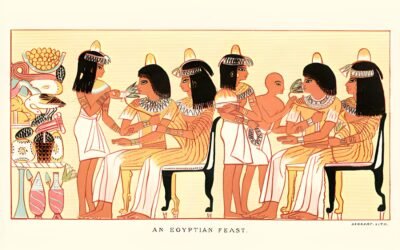
Beyond temples, music filled the streets and homes of Egypt. Farmers sang rhythmic songs along the The Nile River, while craftsmen in cities like Cairo City hummed during their work to honor the gods. Dancers and musicians performed at banquets, creating harmony between body and soul. This cultural devotion to rhythm continues today, seen in traditional performances showcased in places like Wekalet El Ghouri.
Influence on Modern Egyptian Culture
The echoes of Ihy’s music still resonate in Egypt’s artistic scene. Modern Egyptians celebrate music through classical Arabic melodies, folk traditions, and even belly dancing, which evolved from ancient ritual dances honoring the goddess Hathor. Visitors can encounter a traditional performance during an Egypt Vacation Packages itinerary, reflecting the continuity of Egypt’s musical spirit.
Temples and Sites Connected to the God of Music
1. Dandara Temple – Dedicated to Hathor, this temple celebrates music, dance, and festivity.
2. Luxor Temple – A sanctuary where musical rituals honored deities.
3. Temple Of Philae – Revered for its sacred hymns to Isis and Hathor.
4. The Temple Of Seti – Features inscriptions that depict musicians and priests.
5. Abu Simbel Temples – Known for musical processions honoring Ramses II and the gods.
Experience the Rhythm of the Gods
Ancient Egyptian music wasn’t written down but passed through generations as oral tradition. The instruments—harps, lutes, drums, and sistrums—were sacred extensions of divine expression. While modern scholars can only imagine the melodies, visiting Egypt’s ancient sites brings these silent harmonies to life through a customized private guided tour of Egypt, offering access to temples where music once shaped rituals of eternity.
FAQs About the Egyptian God of Music
Who is the Egyptian God of Music?
The Egyptian God of Music is Ihy, the son of Hathor and Horus. He embodies joy, celebration, and divine harmony expressed through musical instruments like the sistrum.
Where was Ihy worshipped in ancient Egypt?
Ihy was primarily worshipped at the Dandara Temple, the sacred sanctuary of his mother Hathor, where music and dance played central roles in rituals.
What instruments are linked to Ihy?
The sistrum—a sacred rattle-like instrument—symbolized Ihy’s divine music, often used by priestesses to invoke the goddess Hathor during ceremonies.
How can I explore sites related to the Egyptian God of Music?
You can visit temples connected to Hathor and Ihy through curated best Egypt itinerary options, which include destinations like Dendera, Luxor, and Aswan.
Does ancient Egyptian music influence modern Egypt?
Yes, traditional Egyptian music and dance still draw from ancient rhythms and themes, keeping alive the joyful spirit once celebrated under the blessing of the Egyptian God of Music, Ihy.