Discover the Magnificent Ramesseum Temple: A Testament to Egypt’s Glorious Past
Standing proudly on Luxor’s West Bank, the Ramesseum Temple captures the grandeur of ancient Egypt like few monuments can. Built by Pharaoh Ramses II, this mortuary temple is a monumental tribute to one of Egypt’s most powerful rulers. Surrounded by the golden desert and the awe-inspiring Nile Valley, the Ramesseum Temple remains one of the most striking architectural masterpieces in the Theban Necropolis. If you’ve ever dreamed of walking in the footsteps of pharaohs, this temple should top your Egypt bucket list.
Attention: Why the Ramesseum Temple Is a Must-See
The Ramesseum Temple, located near the Luxor City, was built during the 19th Dynasty, around 1279–1213 BCE. Often referred to as the “Temple of Millions of Years of Usermaatre Setepenre,” it was designed to honor both the legacy of Ramses II and the god Amun. This temple once stood as a political and spiritual hub, symbolizing the pharaoh’s divine connection to the gods and his eternal rule over Egypt.
Visitors are immediately captivated by the ruins’ immense scale. Towering pylons, colossal statues, and intricate reliefs tell stories of ancient battles, including the legendary Battle of Kadesh. Among the most impressive remnants is the fallen colossal Statue of Ramses II, which once stood nearly 17 meters tall—an image that still inspires awe even in its fragmented form.
Interest: The Architecture and Art of the Ramesseum Temple
The Ramesseum Temple represents the zenith of New Kingdom architecture, combining religious function with monumental art. The complex features two large courtyards, a hypostyle hall with papyrus-shaped columns, and several sanctuaries dedicated to different gods. The temple’s walls are adorned with detailed inscriptions that chronicle Ramses II’s military triumphs and divine blessings. These carvings remain among the finest examples of ancient Egyptian artistry.
Exploring the Ramesseum invites you into a world of symbolism. Each stone relief and hieroglyph tells a story—of royal power, devotion, and the quest for immortality. The temple also houses remnants of ancient granaries and storerooms, revealing how it once functioned as both a religious and economic center. For travelers seeking to understand Egypt’s cultural depth, the Ramesseum offers a truly immersive experience comparable to visiting the Karnak Temple or the Luxor Temple.
Desire: Why You Should Add the Ramesseum Temple to Your Egypt Itinerary
Visiting the Ramesseum Temple is not only about admiring ancient ruins—it’s about connecting with Egypt’s royal legacy. Standing amid the colossal pillars, you can almost feel the presence of Ramses II himself. For those who crave an authentic and less crowded experience, the Ramesseum offers a tranquil escape compared to the busier sites like the Valley of the Kings or the Temple of Hatshepsut.
Many travelers combine a visit to the Ramesseum with nearby landmarks such as the Colossi of Memnon and Habu Temple. These sites together form a powerful narrative of Thebes’ splendor and Egypt’s enduring architectural genius. To fully appreciate their significance, consider joining one of the Egypt tour with Nile cruise experiences—an ideal way to explore Luxor’s magnificent temples while sailing the legendary Nile River.
For travelers seeking luxury, the luxury Egypt tour package often includes guided visits to the Ramesseum, complete with Egyptologist-led tours and exclusive access to hidden chambers not typically open to the public. Families, too, can enjoy this marvel through organized options like the Egypt family tour holidays.
Action: How to Visit the Ramesseum Temple
Reaching the Ramesseum Temple is straightforward. It’s located on Luxor’s West Bank, across the Nile from the main city. The best time to visit is during the cooler months between October and April, when temperatures are pleasant and sunlight enhances the golden hues of the sandstone. You can easily combine your trip with a visit to the Avenue of Sphinxes or embark on one of the Best Nile River Cruises to enrich your experience.
For a short but enriching journey, check out the 6 day Egypt tour, which allows you to experience Luxor’s ancient wonders, including the Ramesseum, in a well-paced itinerary. If you have more time, the 14 day Egypt tour offers an extended exploration across Egypt’s most iconic landmarks, from Luxor to Aswan and beyond.
To elevate your journey, stay at one of Luxor’s riverside resorts and plan a dawn or dusk visit to the Ramesseum. The soft light accentuates the temple’s reliefs, revealing intricate details that often go unnoticed under the midday sun. For photographers or history enthusiasts, this is an unforgettable moment that captures the soul of ancient Egypt.
Exploring Egypt Beyond the Ramesseum
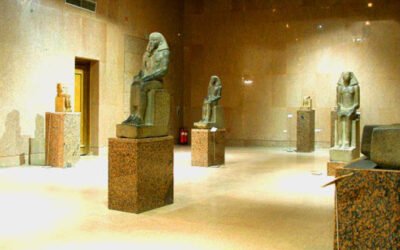
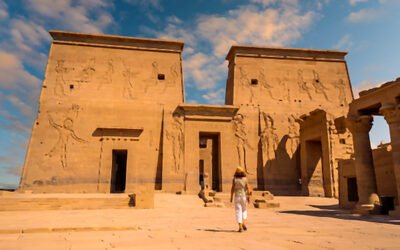
While the Ramesseum Temple is a masterpiece in itself, its surroundings make Luxor one of the most historically rich destinations in the world. The nearby Dandara Temple showcases the artistic beauty of Greco-Roman Egypt, while the Tomb of Nefertari offers breathtakingly preserved wall paintings. A stop at the Luxor Museum reveals fascinating artifacts found near the Ramesseum, providing context to the temple’s historical significance.
If you’re planning your Egyptian journey, see how curated Egypt Tour Packages can help you seamlessly include the Ramesseum Temple in your itinerary. Whether you prefer a private guided tour of Egypt or a comprehensive best Egypt itinerary, professional tour operators ensure a hassle-free and enriching experience.
Why the Ramesseum Temple Still Inspires Awe
What sets the Ramesseum apart is its enduring aura of majesty and mystery. Despite the centuries that have passed, the temple remains one of Egypt’s most evocative reminders of divine kingship and monumental art. Its grandeur speaks not only of Ramses II’s ambition but also of the sophistication of ancient Egyptian engineering.
As you gaze upon the hieroglyphs and murals, you become part of a timeless story—one that links human creativity to spiritual legacy. Whether you’re visiting through a 8 day Cairo and Nile cruise tour or a private Egypt trip, the Ramesseum Temple will leave you with memories that transcend time.
Frequently Asked Questions About the Ramesseum Temple
1. Who built the Ramesseum Temple?
The Ramesseum Temple was commissioned by Pharaoh Ramses II, also known as Ramses the Great, during the 19th Dynasty. It served as his mortuary temple and a place to honor the god Amun.
2. Where is the Ramesseum Temple located?
The Ramesseum Temple lies on the West Bank of the Nile in Luxor City, near other famous monuments like the Valley of the Kings and the Colossi of Memnon.
3. What makes the Ramesseum unique compared to other temples in Luxor?
Its combination of colossal statues, detailed reliefs depicting the Battle of Kadesh, and the massive fallen statue of Ramses II make it one of the most historically and artistically significant temples in Egypt.
4. How can I visit the Ramesseum Temple?
You can visit through guided tours such as the Egypt adventure tour or by joining a Egypt itinerary 8 days with Nile cruise, both of which typically include Luxor’s major attractions.
5. Is the Ramesseum Temple suitable for family tours?
Yes, the site is family-friendly and provides educational insights into ancient Egyptian history. Families can book the Egypt tour package for family to include the Ramesseum and other iconic landmarks in a comfortable and engaging itinerary.