Egypt travel etiquette centers on modest dress, respectful greetings, and awareness of Islamic customs: cover shoulders and knees, wait for an Egyptian woman to extend her hand before shaking it, use your right hand for eating, remove your shoes in mosques and homes, and avoid public displays of affection or criticizing religion and politics.
Key Takeaways
- Greet with a handshake or “Salam Alaikum” (peace be upon you); wait for an Egyptian woman to extend her hand first.
- Dress modestly nationwide — women should cover shoulders, knees, and chest; men should avoid sleeveless shirts in public; mosques may require women to cover their hair.
- Use your right hand for eating and passing dishes; accept food or drink offered to you.
- Friday is the holy day; during Ramadan, avoid eating or drinking in public during daylight hours.
- Tipping (baksheesh) is expected for small services such as carrying bags or guiding you in museums.
Understanding Egyptian Social Norms
Egyptians are known for their warmth and friendliness. Greetings often involve a handshake or a verbal exchange such as “Salam Alaikum” (peace be upon you). Physical contact between men and women in public is limited, especially among conservative locals, so always wait for an Egyptian woman to extend her hand first. A genuine smile, respectful tone, and politeness go a long way.
When invited to someone’s home, remove your shoes at the entrance if others do, and bring a small gift such as sweets or flowers. Avoid giving alcohol unless you’re sure your host consumes it. Coptic Cairo (Old Cairo) offers insight into how diverse faiths coexist in Egypt.
Dress Code
Urban areas like Cairo City and Alexandria City are more cosmopolitan, but modest clothing remains the norm across Egypt. Women should cover shoulders, knees, and chest; men should avoid sleeveless shirts in public. At religious sites like Al Azhar Mosque or Sultan Hassan Mosque, both genders should dress conservatively, and women may need to cover their hair. See What To Wear In Egypt for a full packing guide.
Dining Etiquette
Egyptian dining centers on family and sharing. Accept food or drink offered to you, even in small quantities — refusal may be considered impolite. Use your right hand for eating and passing dishes, as left-hand use is traditionally reserved for hygiene. If invited for a meal, wait for your host to start eating before you begin. See Traditional Dishes In Egypt for dishes like koshari or ful medames not to miss.
Etiquette at Religious and Historical Sites
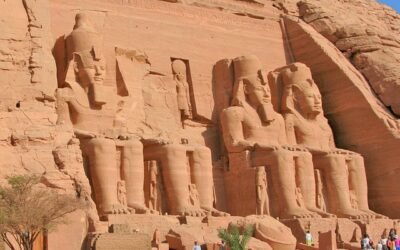
Egypt’s mosques, temples, and tombs are sacred cultural landmarks. At sites such as The Valley Of The Kings or Abu Simbel Temples, speak quietly and avoid touching artifacts. Photography is often permitted, but ask before photographing local people or religious ceremonies. In mosques, remove your shoes and dress modestly; non-Muslims may be asked to avoid prayer halls. Islamic Cairo is a good place to learn more about the country’s Islamic heritage.
Respecting Local Customs
Egyptians value respect, family, and religion. Avoid public displays of affection, loud behavior, or criticizing religion and politics. Friday is the holy day, so many businesses and institutions run limited hours. During Ramadan, avoid eating or drinking in public during daylight hours out of respect for those fasting. Egypt Holidays And Traditions covers how Egyptians celebrate national and religious events.
Practical Etiquette for Travelers
Egyptians appreciate politeness, patience, and curiosity. Tipping, or “baksheesh,” is expected for small services such as carrying bags or guiding you in museums — see Tipping In Egypt for amounts. On crowded public transportation, give priority to elders and families. Curated itineraries like the Egypt itinerary 8 days with Nile cruise or the 14 day Egypt tour handle much of this logistics for you.
Experiencing Egyptian Hospitality
Egyptians take pride in their hospitality, and visitors are often welcomed like family, offered tea, or invited for a home-cooked meal. Accepting such gestures is a good way to form real connections. Learning a few Arabic phrases such as “Shukran” (thank you) or “Min fadlak” (please) goes a long way with locals. For deeper local interaction, see Local Life In Egypt or Hidden Gems In Egypt.
Before You Go
Check entry requirements via Do You Need A Visa To Travel To Egypt? and review Egypt Travel Tips. A guided experience such as an Egypt tour with Nile cruise or a private guided tour of Egypt often includes a tour leader who explains local norms as you go, whether you’re in the bazaars of Khan Al-Khalili Cairo or on the coast at Sharm El Sheikh.
Frequently Asked Questions About Egypt Travel Etiquette
Is it acceptable to tip in Egypt?
Yes, tipping is a common cultural practice. Small tips show appreciation for services rendered. See Tipping In Egypt for how much to tip in different situations.
What should women wear while traveling in Egypt?
Women should dress modestly, covering their shoulders and knees. When visiting mosques or rural areas, conservative clothing is highly recommended. See What To Wear In Egypt.
Can tourists drink alcohol in Egypt?
Yes, alcohol is available in licensed establishments, but drinking in public is frowned upon. See Can You Drink Alcohol In Egypt? for detailed guidelines.
How can I greet locals respectfully?
A polite “Salam Alaikum” is an excellent greeting. Use handshakes only if the other person initiates, especially with women. Smiling and showing genuine courtesy are always appreciated.
What should I avoid doing in Egypt?
Avoid public displays of affection, discussing sensitive political topics, or disrespecting religion. Act modestly, particularly near religious or historical landmarks like the Temple Of Philae or Luxor Temple.