Local life in Egypt centers on family, faith, and hospitality, blending centuries-old traditions with modern city living. Markets, religious festivals, home-style cuisine, and close community ties define daily routines in both major cities and small desert villages, offering visitors a view of the country beyond its ancient monuments.
Key Takeaways
- Egyptian daily life blends tradition and modernity, with markets like Khan Al-Khalili operating near modern malls and universities.
- Staple foods include koshari, ful medames, and molokhia, with desserts such as basbousa and Om Ali.
- Religious festivals including Ramadan and Eid center on communal prayer, feasts, and generosity.
- Villages such as Tunis Village in Faiyum and the Nubian Village near Aswan preserve distinct pottery, mural, and music traditions.
- Traditional performances — including tanoura dance at Wekalet El Ghouri and music played on oud and tabla — remain part of everyday cultural life.
Daily Rhythms and Hospitality
Egyptian daily life revolves around family, faith, and community. Hospitality runs deep — visitors are commonly offered sweet tea or strong coffee wherever they go. In cities such as Alexandria City and Luxor City, fishermen still cast nets at dawn while younger Egyptians work and socialize in modern cafes, reflecting the blend of old and new that defines the country.
Religious and cultural celebrations play a central role. Festivals such as Ramadan and Eid bring communal prayers, feasts, and generosity to the forefront of local life, detailed further in the guide to Egypt holidays and traditions. Exploring local experiences Egypt offers an insider’s view of these traditions beyond the standard tourist trail.
Egyptian Cuisine
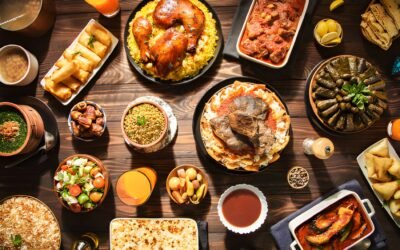
Food anchors daily life in Egypt. Staples such as beans, lentils, and bread form the base of most meals, alongside regional specialties like koshari, ful medames, and molokhia, covered further in the guide to traditional dishes in Egypt. Popular desserts include basbousa and the layered dish Om Ali, whose background is detailed in Om Ali recipe and history.
Markets and Street Life
Egyptian markets, or souks, function as social centers built on bargaining, laughter, and community connection. Khan Al-Khalili Cairo is one of the most active, selling spices, perfumes, and handmade crafts. Cairo’s El Moez Street pairs preserved Islamic architecture with the buzz of daily commerce.
Village Life and Regional Traditions
Life moves more slowly in smaller towns and villages. In Tunis Village Faiyum, locals are known for pottery-making traditions, and visitors can join workshops or stay in local guesthouses (see available hotels in Tunis Village). Near Aswan, the Nubian Village is known for bright murals, musical traditions, and a distinct cultural identity, while the Siwa Oasis centers on natural springs and palm groves that sustain traditions still practiced today.
Urban and Modern Egypt
In cities like Giza City and Cairo City, modern malls, universities, and art galleries sit alongside mosques and traditional neighborhoods. More on how Egyptians balance old and new is available in Egypt then and now. Despite modernization, families still gather each evening to share meals or stroll along the Nile River promenade.
Art, Music, and Celebration
Egyptian art and music are woven into daily life. Traditional performances such as tanoura dance at Wekalet El Ghouri in Cairo showcase local dance forms, while street musicians play the oud and tabla. Belly dancing remains a celebrated form of expression, detailed further in the guide to Belly Dance. Modern Egyptian pop music coexists with generations-old folk traditions.
Travel Etiquette and Safety
Travelers can deepen their experience of local life by joining community-based activities included in many Egypt tour packages, or through independent exploration guided by Egypt travel etiquette — dressing modestly and respecting local customs enriches interactions. Reviewing Egypt travel safety guidelines is worthwhile whether navigating cities or remote oases. For destinations off the main tourist routes, see hidden gems in Egypt and how to plan a trip to Egypt.
Frequently Asked Questions About Local Life in Egypt
What is daily life like for Egyptians today?
Daily life in Egypt blends tradition and modernity. While major cities embrace technology and contemporary culture, rural areas maintain strong agricultural and family-based lifestyles. Social gatherings, markets, and religious practices remain central to Egyptian routines.
How do Egyptians typically spend their weekends?
Most Egyptians spend weekends with family or friends, enjoying picnics by the Nile, visiting parks like Al Azhar Park, or going on short trips to nearby destinations. Shopping, dining, and attending cultural events are also popular activities.
Are Egyptian traditions still strong in modern life?
Yes, traditions remain deeply ingrained in Egyptian society. Customs related to hospitality, religion, family, and food continue to shape local life, even as cities modernize and global influences grow.
What are the best ways to experience local culture in Egypt?
Engaging with locals, taking cooking classes, visiting oases like Siwa Oasis, and exploring artisan villages such as Tunis Village Faiyum offer authentic insights into Egyptian culture and lifestyle.
Is it easy for visitors to interact with locals?
Absolutely. Egyptians are known for their friendliness and hospitality. Even if you don’t speak Arabic, locals will warmly welcome you with smiles and gestures. Understanding basic cultural norms from Egypt travel etiquette can make your interactions even more rewarding.