Discover the Colossi of Memnon: The Eternal Guardians of Ancient Thebes
Standing proudly on the west bank of the Nile near Luxor City, the majestic Colossi of Memnon are among Egypt’s most captivating ancient monuments. These two colossal statues of Pharaoh Amenhotep III have watched over the Theban Necropolis for more than 3,400 years. Their grandeur, history, and mythical charm make them an unmissable highlight for travelers exploring Egypt’s timeless wonders.
Attention: Why the Colossi of Memnon Deserve a Place on Your Egypt Itinerary
The Colossi of Memnon aren’t just two massive stone figures — they are living witnesses of ancient Egyptian art, architecture, and mythology. Each statue stands about 18 meters tall and represents the seated figure of Pharaoh Amenhotep III, one of the most powerful rulers of the 18th Dynasty. Originally built to guard the entrance of his mortuary temple, these statues have become symbols of strength, endurance, and the genius of ancient Egyptian craftsmanship.
Thousands of travelers include the Colossi in their Egypt Vacation Packages to experience their imposing presence up close. Whether you’re on a 4 day Egypt tour or an in-depth 14 day Egypt tour, these statues are a must-see attraction on the west bank of Luxor.
Interest: The Fascinating History Behind the Colossi of Memnon
Constructed around 1350 BCE, the Colossi of Memnon once marked the grand entrance to the mortuary temple of Amenhotep III. This temple, now mostly in ruins, was one of the largest and most magnificent complexes ever built in ancient Egypt. The statues were carved from single blocks of quartzite sandstone transported over 700 km from quarries near modern Cairo — a feat that remains awe-inspiring to this day.
Over the centuries, the statues suffered from earthquakes and floods that partially destroyed the temple. Despite their damaged state, they continued to enchant travelers. In the Greek and Roman periods, one of the statues became famous for producing a mysterious “singing” sound at dawn, believed to be the voice of Memnon — the legendary Ethiopian king and son of Eos, the goddess of dawn. This phenomenon made the site a major tourist destination in antiquity, just as it remains today.
Desire: The Mystical Allure and Cultural Significance
The Colossi of Memnon continue to inspire fascination for their blend of history and legend. The Greeks associated the statues with the mythic hero Memnon, who fought in the Trojan War, and believed the morning sound was his greeting to his mother, Eos. Ancient travelers from across the Mediterranean came to witness the “singing statue,” leaving inscriptions on its base — many of which are still visible.
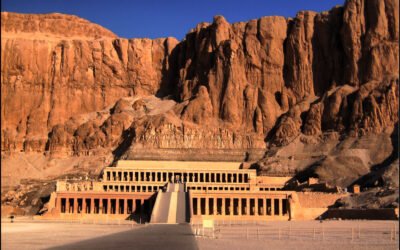
Today, visiting the Colossi is like stepping into a world where myth meets archaeology. The site forms part of the Theban Necropolis, which includes the Temple of Hatshepsut, the Valley of the Kings, and the Valley of the Queens. These neighboring monuments create a breathtaking open-air museum that showcases Egypt’s golden age of art, spirituality, and architecture.
Action: Experience the Colossi with the Perfect Egypt Tour
To truly appreciate the Colossi of Memnon, it’s best to visit during sunrise when the morning light enhances their golden hue and the desert air is cool. Many travelers combine this visit with a Egypt tour with Nile cruise, allowing them to explore both banks of the Nile in comfort and style. A cruise like the luxurious Oberoi Zahra Nile Cruise or the elegant Steigenberger Legacy Nile Cruise offers seamless access to nearby temples and tombs.
If you crave a more exclusive experience, consider joining a luxury private tour Egypt or a private guided tour of Egypt to visit the Colossi with an expert Egyptologist. Their insights reveal stories that bring these stone figures to life. For families, a stop here is often included in the best Egypt tour for families, offering a fun and educational experience for all ages.
Exploring Nearby Attractions Around the Colossi
Once you’ve admired the Colossi, the wonders of Luxor’s west bank await. The nearby Habu Temple showcases the military triumphs of Ramses III, while the Ramesseum Temple amazes visitors with its imposing reliefs and colossal statues. The Avenue of Sphinxes connects the temples of Karnak Temple and Luxor Temple, forming one of ancient Egypt’s most sacred processional routes.
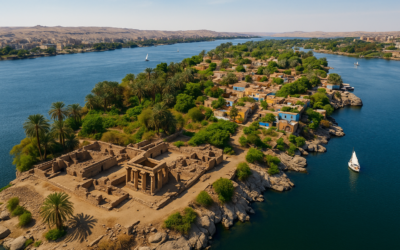
Pairing your visit with a Egypt itinerary 8 days with Nile cruise ensures a balanced mix of history, culture, and relaxation. This itinerary also includes key sites like Aswan City, the Temple Of Philae, and the awe-inspiring Abu Simbel Temples.
Practical Tips for Visiting the Colossi of Memnon
The Colossi are open daily and free to visit, making them a perfect quick stop on your Luxor excursion. The best time to visit is early morning or late afternoon when lighting and photo conditions are ideal. Guided tours often include this site as part of a larger West Bank itinerary, such as the Egypt adventure tour or the best Egypt itinerary.
Bring a hat, sunscreen, and water, as shade is limited. Consider spending extra time exploring nearby archaeological sites that continue to reveal new discoveries about Amenhotep III’s reign and temple complex.
Preservation and Modern Archaeology
In recent decades, archaeologists have worked diligently to restore and study the area around the Colossi. Excavations revealed statues, sphinxes, and new sections of Amenhotep III’s temple, offering insights into one of Egypt’s grandest ancient structures. The ongoing restoration helps preserve not only the Colossi but also the surrounding cultural landscape that shaped ancient Thebes.
For travelers interested in archaeology, pairing this visit with sites like the Luxor Museum enhances understanding of Egypt’s artistic and engineering achievements.
Final Thoughts: Standing in the Presence of History
Visiting the Colossi of Memnon is more than an excursion — it’s an encounter with the essence of ancient Egypt. These silent sentinels embody the enduring legacy of a civilization that still captivates travelers worldwide. Whether part of a luxury holiday tour Egypt or an adventurous exploration, the Colossi serve as a timeless reminder of humanity’s pursuit of greatness through art, faith, and architecture.
FAQs About the Colossi of Memnon
1. Who built the Colossi of Memnon?
The Colossi of Memnon were built for Pharaoh Amenhotep III during the 18th Dynasty, around 1350 BCE, as guardians of his mortuary temple on the west bank of Luxor.
2. Why are they called the Colossi of Memnon?
During the Greek period, one statue emitted a mysterious sound at sunrise, which travelers associated with the mythic hero Memnon, the son of the dawn goddess Eos. Hence, the statues became known as the Colossi of Memnon.
3. Where are the Colossi of Memnon located?
They are located near Luxor City on the west bank of the Nile, close to major sites such as the Temple Of Hatshepsut and the Valley Of The Kings.
4. Can I visit the Colossi of Memnon for free?
Yes, visiting the Colossi of Memnon is free, and it is often included in guided tours such as the 6 day Egypt tour or other comprehensive Egypt Tour Packages.
5. What is the best way to include the Colossi in my trip?
The best way is to include it in a guided itinerary or Nile cruise experience, such as the Best Nile River Cruises, which combine comfort, expert guidance, and seamless access to Luxor’s top attractions.