Unveiling the Battle of Kadesh: Egypt’s Epic Clash for Supremacy
The Battle of Kadesh stands as one of the most fascinating military encounters in ancient history. Taking place around 1274 BCE, it pitted two powerful empires—the Egyptians under Pharaoh Ramses II and the Hittites under King Muwatalli II—against each other near the city of Kadesh in modern-day Syria. This monumental clash not only showcased the tactical brilliance of both sides but also marked one of the earliest recorded peace treaties in world history. If you’re planning to trace the footsteps of Pharaoh Ramses II and his immense legacy, consider exploring Egypt’s historical marvels through Egypt Tour Packages.
Attention: Why the Battle of Kadesh Still Captures the World’s Imagination
The Battle of Kadesh was not merely a military event—it was a turning point that shaped diplomacy in the ancient world. For history enthusiasts, it presents a unique look at how Egypt’s 19th Dynasty expanded its influence. To better understand this period, you can explore more about Egypt 19th Dynasty. Ramses II’s documented accounts of the battle, carved on temple walls across Egypt, glorify his bravery and leadership, giving us an insight into how propaganda played a role in ancient politics.
Interest: The Strategic Prelude to the Battle of Kadesh
Before the battle began, both Egypt and the Hittite Empire vied for dominance over the Levant, a vital trade and military region. Ramses II led a massive campaign northward, commanding divisions named after deities such as Amun, Ra, Ptah, and Seth. As Ramses advanced, he was deceived by Hittite spies who misled him about the enemy’s location, leading the Egyptian army into an ambush near Kadesh. You can imagine the tension and scale of this confrontation when visiting temples like the Abu Simbel Temples, where scenes from the battle remain immortalized.
The city of Kadesh was strategically located on the Orontes River, making it a key stronghold for controlling trade routes between Egypt and Mesopotamia. The Egyptians’ overconfidence nearly cost them the campaign, but Ramses II’s tactical recovery turned the day into one of Egypt’s most celebrated moments of valor.
Desire: Ramses II’s Heroic Recovery and the Outcome
The ambush near Kadesh caught Ramses II’s forces off guard. The Hittite chariots struck with devastating speed, overwhelming the Egyptian advance divisions. However, Ramses II’s personal courage and leadership rallied his troops, turning imminent defeat into a stalemate. His counterattack, famously depicted in the Ramesseum Temple and Luxor Temple, became a cornerstone of his legacy as a divine warrior-king.
Though both sides claimed victory, the battle ended without a decisive conquest. Yet, its aftermath saw one of the earliest formal peace treaties between two great powers. This treaty established mutual respect and trade relations, exemplifying early diplomacy at its finest. Visitors can explore similar artifacts and inscriptions at The Grand Egyptian Museum, home to invaluable relics from Ramses II’s reign.
Action: Discover Egypt’s Glorious Past Through Modern Travel
The spirit of Ramses II and the epic saga of the Battle of Kadesh live on through Egypt’s extraordinary monuments. Travelers can immerse themselves in Egyptian history by visiting sites along the Nile and beyond with curated itineraries like the Egypt tour with Nile cruise. This journey not only provides comfort and luxury but also connects travelers to ancient battle sites, temples, and historical landmarks that shaped Egypt’s destiny.
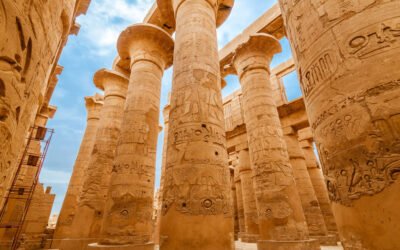
To witness the artistic expression of victory and divine kingship, travelers can visit the Karnak Temple, where massive reliefs illustrate Ramses II’s might. For a more detailed glimpse into royal achievements, the Luxor Museum offers an educational experience filled with artifacts related to the period of the Battle of Kadesh.
Exploring Ancient Egypt Beyond the Battlefield
While the Battle of Kadesh took place far from Egypt’s present-day borders, its echoes can still be felt across the monuments dedicated to Ramses II. His architectural masterpieces, such as Abu Simbel and the Ramesseum, highlight not only his military prowess but also his divine image. The Temple of Seti in Abydos also preserves inscriptions celebrating Egypt’s might during this golden era.
For those seeking immersive travel experiences through Egypt’s pharaonic history, the Ancient Egypt Tours provide a comprehensive way to explore the legacy of Ramses II, his battles, and his monumental constructions.
Ramses II: The Pharaoh Who Redefined Power and Diplomacy
Ramses II’s reign was marked by grandeur, longevity, and an unmatched commitment to Egyptian supremacy. Known as Ramses the Great, he ruled for over six decades and left an enduring mark on the ancient world. His remarkable military campaigns, including the Battle of Kadesh, defined his image as a living god. The Statue Of Ramses II symbolizes his enduring influence, representing the might of ancient Egypt for generations to come.
Travelers tracing his history can also visit The Valley Of The Kings, where his tomb, KV7, lies near his descendants. Understanding the significance of the Battle of Kadesh enriches one’s appreciation of these timeless sites.
Visiting Egypt’s Historical Heart
To truly feel the power of ancient Egypt’s military and political achievements, a visit to monumental sites across the Nile Valley is essential. Tours such as the 6 day Egypt tour or 14 day Egypt tour are perfect options to blend cultural discovery with relaxation. Each journey reveals not just temples and tombs but the very soul of an empire that once rivaled the Hittites for global dominance.
For those who prefer a more intimate exploration, a private guided tour of Egypt brings the story of the Battle of Kadesh to life through expert narration and exclusive site access.
The Legacy of Kadesh in Modern Understanding
The Battle of Kadesh remains a cornerstone of Egyptology and ancient military studies. It highlights the sophistication of chariot warfare, strategic intelligence, and early treaty negotiations. The inscriptions at temples across Egypt are not mere artistic marvels—they are political statements etched in stone to immortalize Ramses II’s divine authority.
Those fascinated by ancient warfare and diplomacy can complement their exploration with a cruise on the Nile through the The Nile River, the lifeline of Egyptian civilization. A relaxing voyage such as the Oberoi Zahra Nile Cruise or Steigenberger Legacy Nile Cruise can be the perfect addition to a historical journey.
Conclusion
The Battle of Kadesh is a testament to Egypt’s resilience, leadership, and diplomatic ingenuity. It represents a timeless story of power, intelligence, and human ambition. By exploring Egypt today, travelers can walk in the footsteps of Ramses II, witness the temples that celebrate his triumphs, and connect with one of the most remarkable stories in ancient history. Combine your historical passion with premium travel experiences through a luxury Egypt tour package and relive the glory of Egypt’s most legendary confrontation.
FAQs about the Battle of Kadesh
1. Who fought in the Battle of Kadesh?
The Battle of Kadesh was fought between the Egyptian army led by Ramses II and the Hittite army led by King Muwatalli II around 1274 BCE near modern-day Syria.
2. Why was the Battle of Kadesh important?
It marked one of the earliest recorded battles known in great detail and led to the world’s first peace treaty between Egypt and the Hittites, setting a precedent for future diplomacy.
3. Where can I see relics from the Battle of Kadesh in Egypt?
You can view inscriptions and reliefs depicting the battle at places such as the Luxor Temple, Karnak Temple, and Abu Simbel Temples.
4. How did the Battle of Kadesh end?
The battle ended in a stalemate, with neither side achieving total victory. However, it resulted in a historic peace treaty and alliance between Egypt and the Hittites.
5. Can I visit sites linked to Ramses II’s reign?
Yes, you can explore monuments and temples honoring Ramses II with tours like the Egypt adventure tour or the Egypt luxury trip, which highlight Egypt’s grandest ancient achievements.