Why Did The Egyptians Build Pyramids? The True Purpose Behind Egypt’s Timeless Wonders
For centuries, the towering pyramids of Egypt have fascinated travelers, historians, and archaeologists. Standing proudly along the Nile, these marvelous stone structures continue to spark one question — why did the Egyptians build pyramids? The answer reveals a deep connection between religion, politics, and eternity. Whether you’re planning to explore the The Great Pyramids Of Giza or dreaming of a full cultural adventure with Egypt Tour Packages, understanding their purpose adds a new dimension to the experience.
Attention: The Pyramids as a Symbol of Eternal Power
The ancient Egyptians believed in the concept of eternal life. For them, death was not an end but a new beginning. The pyramids were designed as monumental tombs for pharaohs — divine rulers who were seen as intermediaries between gods and humans. Each pyramid reflected the immense power, wealth, and devotion of the civilization that built them. Visiting sites like Saqqara Pyramids or Dahshour reveals how construction evolved from step pyramids to smooth-sided masterpieces like those in Giza.
From the first pyramid of Djoser to the grand complex of Khufu, every structure served as a link between the earth and the heavens. The shape itself represented the sun’s rays, symbolizing ascension to the afterlife — a powerful statement of faith and divine right.
Interest: The Religious and Spiritual Meaning Behind the Pyramids
Religion deeply influenced every aspect of Egyptian life. The pyramids were not just tombs; they were spiritual launchpads to the afterlife. According to ancient beliefs, the pharaoh’s soul, or “ka,” needed protection and a path to unite with the gods. This explains the intricate design of burial chambers, hidden passageways, and treasures meant to assist the king’s journey in the afterlife. You can explore this sacred connection at the The Valley Of The Kings, where later pharaohs were buried in underground tombs, continuing the legacy of eternal preservation.
The pyramid’s precise alignment with the stars, particularly the constellation Orion, further highlights its celestial purpose. Ancient architects studied astronomy carefully, ensuring that each pyramid was a reflection of cosmic order. This spiritual significance still resonates today when visitors gaze upon these perfect geometries rising from the desert sands.
Desire: The Engineering Marvels and Labor Behind the Pyramids
How did ancient Egyptians build such massive structures without modern technology? The answer showcases their unmatched ingenuity. Tens of thousands of skilled workers, not slaves as once believed, dedicated their lives to constructing these monuments. Archaeological evidence from Giza City shows that laborers lived in organized villages with food, medical care, and fair treatment — proof of a well-planned workforce.
The construction process required advanced mathematics, geometry, and logistics. The stone blocks, some weighing over 80 tons, were transported from quarries along the The Nile River. Engineers built ramps, sledges, and wooden rollers to move massive stones into perfect alignment. Each pyramid took decades to complete, standing as a collective achievement of architectural mastery and devotion to the divine ruler.
Exploring these wonders through a Egypt tour with Nile cruise offers travelers the opportunity to experience both the grandeur of the pyramids and the life-giving beauty of the river that sustained their creation.
Action: Experience the Mystery and Majesty of Egypt’s Pyramids Today
Today, millions visit Egypt to uncover the purpose and mystery of these ancient monuments. Standing before the towering pyramids in Giza or visiting the lesser-known ones at Meidum Pyramid and Sakkara Necropolis inspires awe and curiosity. For an immersive experience, travelers can combine historical exploration with comfort through curated tours like the 8 day Cairo and Nile cruise tour or a luxurious journey such as a luxury Egypt tour package.
These tours often include visits to essential landmarks like the The Grand Egyptian Museum, where thousands of ancient artifacts tell the story of Egypt’s golden age. There, visitors can trace the evolution of pyramid construction and the pharaohs’ undying quest for immortality.
The Pyramids as a Political and Cultural Statement
Beyond religion, the pyramids served political purposes. Building monumental tombs asserted dynastic power, stability, and divine legitimacy. Pharaohs used them to reinforce their relationship with the gods and ensure their memory would outlast generations. As centers of economic activity, pyramid projects provided employment, encouraged craftsmanship, and unified the nation under a shared spiritual vision.
The Memphis Egypt, The Old Egyptian Capital played a crucial role in these efforts. As the administrative hub, it coordinated logistics and resources for pyramid construction along the Nile Valley. The result was not only architectural magnificence but also a flourishing civilization built on faith and innovation.
How the Pyramids Influenced Later Egyptian Monuments
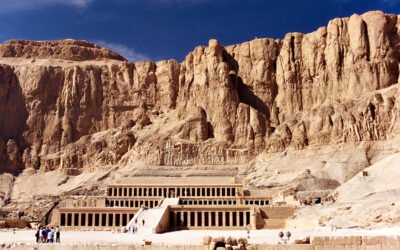
The pyramid design inspired later tombs and temples throughout Egypt. The Temple Of Hatshepsut in Luxor City and the royal complexes in Aswan City reflect the same dedication to eternity and divine connection. Even the symbolic guardians such as the Sphinx Statue carry forward the theme of protection and resurrection.
Travelers eager to explore the full journey of ancient Egyptian architecture can embark on a best Egypt itinerary that includes both the pyramid complexes and the majestic temples that followed. Such curated programs allow you to uncover the seamless link between Egypt’s past and its living legacy.
Modern Discoveries That Reveal More Secrets
Recent excavations have uncovered new insights into pyramid construction and purpose. Archaeologists continually make exciting findings about workers’ lives, burial practices, and hidden chambers. Keep up with the latest revelations by visiting resources like What Are The New Discoveries In Egypt? — a fascinating look at how modern technology reshapes our understanding of ancient wonders.
Visiting the Pyramids: A Journey Through Time
Exploring the pyramids offers more than sightseeing; it’s a journey into the heart of human ambition and spirituality. Standing at the foot of Khufu’s Great Pyramid, you can feel the weight of history and the brilliance of early engineering. Combine your visit with a cruise such as the 4 Day 3 Night Nile Cruise From Aswan To Luxor for a blend of history and natural beauty.
When you walk through the necropolis, the alignment of tombs, temples, and the desert horizon tells a silent story of eternity. This harmony between man, nature, and the divine still defines Egypt’s cultural identity today.
Conclusion: The Everlasting Legacy of the Egyptian Pyramids
So, why did the Egyptians build pyramids? The answer lies in their unwavering belief in eternal life, their devotion to their gods, and their desire to immortalize the power of their rulers. These magnificent structures were not merely tombs—they were bridges between the earthly and the divine, crafted with purpose, precision, and passion. Visiting them today connects you with one of humanity’s most fascinating civilizations. Whether through a Egypt adventure tour or a tranquil Best Nile River Cruises, the pyramids continue to inspire awe, curiosity, and admiration across the ages.
FAQs About Why the Egyptians Built Pyramids
1. What was the main purpose of the pyramids in ancient Egypt?
The primary purpose was to serve as royal tombs for pharaohs, ensuring their safe passage to the afterlife and preserving their bodies and treasures for eternity.
2. Were all pyramids built in Giza?
No, pyramids exist in several locations, including Sakkara Necropolis, Dahshour, and Meidum Pyramid. However, the Giza complex remains the most famous and best preserved.
3. How long did it take to build the Great Pyramid of Giza?
Archaeologists estimate it took around 20 years to complete the Great Pyramid of Khufu, involving thousands of skilled laborers and careful planning.
4. What materials were used to build the pyramids?
The pyramids were primarily built from limestone, granite, and occasionally basalt, sourced from nearby quarries along the The Nile River.
5. Can visitors enter the pyramids today?
Yes, many pyramids, including those in Giza, are open for exploration. Visitors can experience their inner chambers and learn more about ancient burial rituals through guided experiences such as Ancient Egypt Tours.