The Valley Temple is a Fourth Dynasty structure on the Giza Plateau, built around 2500 BCE as part of Pharaoh Khafre’s funerary complex. Built from limestone and granite blocks, some weighing over 100 tons, it was used for purification rituals performed on the king’s body before burial in his pyramid. It sits near the Great Pyramids and the Sphinx, about 13 kilometers from central Cairo.
Key Takeaways
- Built around 2500 BCE during Egypt’s Fourth Dynasty, making it over 4,500 years old.
- Part of Pharaoh Khafre’s funerary complex, connected to his pyramid by a causeway.
- Constructed of limestone and granite blocks, some weighing over 100 tons, with alabaster floors and granite pillars inside.
- Used for purification, and likely mummification, rituals on the king’s body before burial.
- Located on the Giza Plateau about 13 km from central Cairo; entry is included with the Giza Plateau ticket.
What the Valley Temple Was Used For
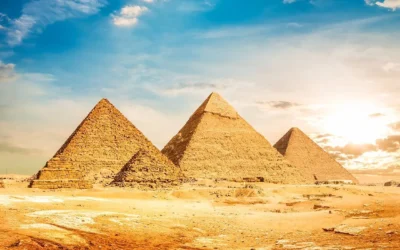
The Valley Temple was built around 2500 BCE as part of Pharaoh Khafre’s mortuary complex on the Giza Plateau. Its role was to perform purification rituals on the deceased king’s body before it was moved to his pyramid for burial. Archaeologists believe it was also used in the mummification process. The temple’s construction, using stone blocks weighing over 100 tons, reflects the same building standards used on the nearby The Great Pyramids Of Giza.
Inside the Temple
The interior features massive stone pillars, alabaster floors, and a series of chambers that once held statues of Khafre. Its granite walls were originally polished enough to reflect the light of oil lamps during ceremonies. The precision of the stonework, achieved without modern tools, continues to be studied by engineers and archaeologists today.
Connection to the Great Pyramids and the Sphinx
A causeway links the Valley Temple to Khafre’s pyramid, the second-largest at Giza, symbolizing the pharaoh’s passage from life to eternity. The temple’s proximity to the Sphinx Statue has led many researchers to believe the Sphinx was built to guard the pharaoh’s complex.
Visiting the Valley Temple
The Valley Temple is included in the Giza Plateau ticket, which also covers the pyramids and the Sphinx, and is reachable through guided tours departing from Cairo or directly from Cairo International Airport. Early morning or late afternoon visits are best for avoiding crowds and seeing the temple in softer light. Many Egypt Tour Packages include a guided stop here, and it can be combined with a 6 day Egypt tour or 14 day Egypt tour that continues to Luxor City and Aswan City.
Nearby Sites Worth Combining With Your Visit
Complete the trip with a visit to Giza City and The Grand Egyptian Museum, or explore other Old Kingdom sites such as Sakkara Necropolis, Dahshour, and Memphis Egypt, The Old Egyptian Capital. In Cairo, The National Museum Of Egyptian Civilization and The Egyptian Museum Of Cairo hold artifacts recovered from the pyramids and surrounding tombs, and Khan Al-Khalili Cairo is a common stop for local crafts. Travelers wanting a fuller itinerary can extend into a luxury private tour Egypt or luxury Egypt vacation that includes The Valley Of The Kings in Luxor and the Temple Of Philae in Aswan.
FAQs About the Valley Temple
Where is the Valley Temple located?
The Valley Temple is situated on the Giza Plateau, near the Pyramid of Khafre and the Great Sphinx, about 13 kilometers from central Cairo.
What was the purpose of the Valley Temple?
The temple served as part of Khafre’s funerary complex, where purification and mummification rituals were performed before burial in his pyramid.
How old is the Valley Temple?
The Valley Temple dates back to around 2500 BCE during Egypt’s Fourth Dynasty, making it over 4,500 years old.
Can tourists visit the Valley Temple today?
Yes, visitors can explore the Valley Temple daily as part of a Giza Plateau ticket, which includes access to the pyramids and the Sphinx.
What other attractions should I see near the Valley Temple?
Nearby highlights include The Grand Egyptian Museum, Sphinx Statue, and Giza City.