Discover the Timeless Beauty of the Valley of the Queens
In the golden sands of Luxor’s west bank lies one of ancient Egypt’s most captivating treasures — the Valley of the Queens. This magnificent necropolis was the final resting place for royal wives and children of the New Kingdom pharaohs. For travelers fascinated by ancient Egyptian history, the Valley of the Queens offers a breathtaking journey through time, art, and devotion.
Attention: Why the Valley of the Queens Deserves a Spot on Your Egypt Itinerary
Unlike the more famous The Valley of the Kings, which was built for pharaohs, the Valley of the Queens radiates feminine splendor and royal grace. The most renowned tomb here belongs to Queen Nefertari, the beloved wife of Ramses II, whose burial chamber is considered one of the most beautiful in Egypt. The vivid murals and intricate carvings reflect the ancient Egyptians’ belief in eternal life and divine beauty.
Located near Luxor City, the Valley of the Queens is easily accessible for visitors exploring the west bank’s incredible landmarks, including the Colossi Of Memnon and the Temple Of Hatshepsut. Every wall here tells a story — a tale of love, divine connection, and the promise of rebirth in the afterlife.
Interest: The History and Artistry of the Valley of the Queens
The Valley of the Queens, known in ancient Egyptian as “Ta-Set-Neferu” meaning “The Place of Beauty,” dates back to Egypt’s 18th Dynasty. Archaeologists have discovered more than ninety tombs in this sacred valley, many dedicated to royal women of the 19th and 20th Dynasties. One of the most remarkable discoveries is the Tomb Of Nefertari, often hailed as the Sistine Chapel of ancient Egypt for its dazzling artwork and symbolic perfection.
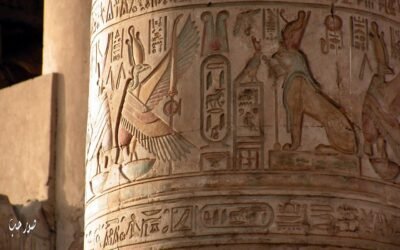
Each tomb in the Valley of the Queens exhibits delicate scenes of the deceased queens embracing gods and goddesses, traveling through the underworld, or standing before Osiris in judgment. The use of natural pigments and celestial imagery creates a timeless depiction of Egyptian cosmology and the afterlife. Visitors can also explore the Tomb Of Ramses VI nearby, another masterpiece that reveals the grandeur of royal burials during Egypt’s New Kingdom.
Desire: Experience the Valley of the Queens with a Curated Egypt Tour
Imagine walking through corridors painted over 3,000 years ago, where every hue and symbol reflects the love of a king for his queen. A visit to the Valley of the Queens is not merely sightseeing — it’s a deep spiritual and artistic experience. To make the most of your journey, consider customized Egypt Vacation Packages that include guided tours of Luxor’s west bank, expert Egyptologists, and comfortable accommodations.
Many travelers pair their exploration of Luxor with a scenic Nile cruise. Options like the Egypt tour with Nile cruise or the 8 day Cairo and Nile cruise tour blend cultural discovery with serene river relaxation. For those seeking elegance, a luxury Egypt tour package includes exclusive access to historical treasures and personalized service that makes ancient Egypt come alive.
Nearby Attractions: A Journey Through Luxor’s Timeless Wonders
After exploring the Valley of the Queens, continue your adventure at the monumental Karnak Temple and the enchanting Luxor Temple. Both sites celebrate the divine connection between the gods and the pharaohs. Don’t miss the The Avenue Of Sphinxes, which once linked these two majestic temples in a sacred procession of stone guardians.
Another must-visit is the majestic Ramesseum Temple, the mortuary temple of Ramses II, standing as a testament to his architectural genius and devotion. For art enthusiasts, the Luxor Museum displays beautifully preserved artifacts that deepen one’s understanding of the New Kingdom’s achievements.
Action: Plan Your Journey to the Valley of the Queens
To truly appreciate the mystique of the Valley of the Queens, it’s essential to plan your visit with professionals who know the land’s secrets. With expertly curated Egypt Tour Packages, you can experience this world-renowned archaeological site with comfort, safety, and insight. From a concise 4 day Egypt tour to an immersive 14 day Egypt tour, there’s a journey for every traveler seeking to uncover Egypt’s royal mysteries.
If you value privacy, a private guided tour of Egypt ensures a personalized exploration led by expert Egyptologists. For families, the Egypt family tour holidays offer educational and kid-friendly adventures that make history unforgettable. Travelers craving opulence can indulge in a Egypt luxury trip with five-star experiences from start to finish.
Tips for Visiting the Valley of the Queens
When planning your visit, arrive early in the morning to avoid heat and crowds. Photography may be restricted inside some tombs, so check in advance. Wear comfortable shoes and bring water, as the paths between tombs can be sandy and uneven. Hiring a licensed guide helps uncover the hidden meanings behind the stunning imagery and hieroglyphics. For those fascinated by ancient art, exploring connections to Famous Egyptian Queens deepens appreciation of women’s roles in pharaonic Egypt.
Why the Valley of the Queens Captures Hearts
Visiting the Valley of the Queens is not just a tour — it’s a journey into the soul of ancient Egypt. The soft glow of the desert hills, the silence of the tombs, and the artistry of each carving remind visitors that love and reverence transcended death for the ancient Egyptians. Whether you’re a history lover or a spiritual traveler, this destination promises a once-in-a-lifetime connection to Egypt’s golden age.
Frequently Asked Questions about the Valley of the Queens
1. Where is the Valley of the Queens located?
The Valley of the Queens is located on the west bank of the Nile, opposite Luxor City, near the Valley of the Kings and other famous necropolises.
2. Who is buried in the Valley of the Queens?
This sacred valley is the resting place of royal queens, princesses, and princes from Egypt’s New Kingdom era. The most famous tomb belongs to Queen Nefertari, wife of Ramses II.
3. How can I visit the Valley of the Queens?
You can visit as part of a guided experience through various Egypt Tour Packages that include Luxor’s west bank attractions. Many travelers also choose combined itineraries with Nile cruises or family tours.
4. What is the best time of year to visit?
The best time to visit is between October and April when temperatures are mild. During these months, exploring the tombs and temples is more comfortable and enjoyable.
5. What other attractions should I visit nearby?
After touring the Valley of the Queens, explore the Temple Of Hatshepsut, the Colossi Of Memnon, and the Karnak Temple for a complete historical experience in Luxor.