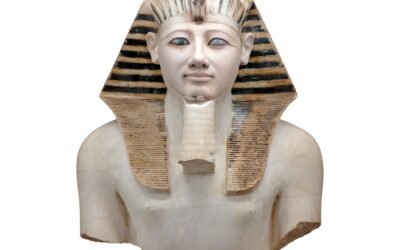
Thutmose III: The Warrior Pharaoh Who Shaped Ancient Egypt’s Empire
Thutmose III, often called the “Napoleon of Ancient Egypt,” was one of the most influential pharaohs of the 18th Dynasty. His reign marked the height of Egyptian power, culture, and international influence. Known for his extraordinary military campaigns, innovative governance, and devotion to the gods, Thutmose III transformed Egypt into an empire that stretched from Nubia to the Euphrates River. For travelers exploring the grandeur of Egypt, understanding Thutmose III’s legacy provides crucial insight into the civilization’s golden age, especially when visiting historical landmarks like the Karnak Temple and Luxor Temple.
Attention: Why Thutmose III Captivates Historians and Travelers
Few rulers in world history achieved as much as Thutmose III. He ruled for over 50 years, guided by military genius and strategic brilliance. His campaigns, recorded in hieroglyphics across temple walls, demonstrate not just conquests but also diplomacy and administrative reform. Visitors exploring Luxor City or the Valley Of The Kings can still witness the marks of his reign carved into stone—a testament to Egypt’s unmatched cultural and military influence during his era.
Modern Egyptologists often compare his strategic mind to the world’s greatest generals. But what makes Thutmose III truly fascinating is how his reign bridged military might with cultural prosperity. He wasn’t just a conqueror—he was a builder, a reformer, and a patron of art and religion.
Interest: The Rise of Thutmose III and His Path to Power
Thutmose III was the son of Thutmose II and came to the throne as a child. Since he was too young to rule, Queen Hatshepsut, his stepmother and aunt, assumed the role of co-regent. During this period, she famously undertook grand construction projects such as the Temple Of Hatshepsut at Deir el-Bahari. While some historians suggest tension between their reigns, evidence indicates Thutmose III learned a great deal about governance during Hatshepsut’s rule.
Once he assumed full control, Thutmose III embarked on a military expansion that changed Egypt’s destiny. Over 17 known campaigns, he extended Egyptian rule into modern-day Syria, Palestine, and Nubia. His most famous victory—the Battle of Megiddo—was a masterclass in strategy. His army’s success secured Egypt’s dominance over the Near East for centuries.
To understand his remarkable journey from prince to emperor, travelers can explore the exhibits in the The Egyptian Museum Of Cairo, where artifacts and inscriptions recount his feats and legacies. Many tours, such as the Egypt tour with Nile cruise, include opportunities to trace his path along the Nile’s ancient cities.
Desire: The Empire Builder and Visionary Leader
Beyond his conquests, Thutmose III was a visionary builder. He ordered extensive renovations at the Karnak Temple, adding obelisks, pylons, and a festival hall to honor Amun-Ra. His respect for the gods and architectural prowess reflected Egypt’s religious devotion and advanced engineering capabilities. Today, walking through Karnak’s Hypostyle Hall feels like stepping into Egypt’s cosmic heart—one that Thutmose III helped expand.
He also restructured Egypt’s administration, consolidating power under a strong central government. He ensured wealth from conquered territories flowed into Egypt, enriching its economy and funding monumental projects. These reforms made Egypt not only the most powerful but also the most stable civilization of its time.
For travelers seeking a deeper understanding of Ancient Egypt’s complexity, journeys like the 14 day Egypt tour or the 6 day Egypt tour showcase how Thutmose III’s influence extended from temples and tombs to the very organization of Egyptian society.
Thutmose III’s Legacy in Temples and Tombs
Thutmose III was buried in the Valley Of The Kings, where his tomb (KV34) is one of the most elaborately decorated of the New Kingdom. Its walls feature vivid depictions of the “Amduat,” the ancient Egyptian book of the underworld, symbolizing his journey to eternity. The tomb’s unique artwork and layout show his devotion to the divine and his understanding of spirituality as a ruler.
Those who visit Luxor Museum can admire artifacts related to his reign, including weaponry and royal regalia. His contributions are also evident in temples from Edfu Temple to Abu Simbel Temples, where later pharaohs drew inspiration from his architectural innovations.
Exploring Thutmose III Through Modern Egypt Tours
To follow in Thutmose III’s footsteps, travelers can embark on experiences that blend history, adventure, and relaxation. A best Egypt tours with Nile cruise offers a luxurious way to sail along the same river that carried his armies and craftsmen. For a shorter yet immersive journey, the 8 day Cairo and Nile cruise tour covers sites central to his story, including Thebes, Karnak, and Aswan.
Luxury options, such as the luxury Egypt tour package or Egypt luxury trip, highlight the grandeur of temples and palaces born from his reign. These tours combine historical exploration with elegant accommodations and private guides, ideal for travelers eager to experience the splendor of Egypt’s imperial past.
Action: Experience the World of Thutmose III Today
Thutmose III’s story is more than ancient history—it is a journey through power, faith, and artistic achievement. His reign shaped the cultural and political landscape of the ancient world, leaving behind temples, tombs, and inscriptions that continue to inspire awe. By joining curated experiences like the Egypt Tour Packages or exploring tailored options within Egypt Vacation Packages, travelers can uncover the monumental legacy of this warrior pharaoh.
For those who wish to witness his architectural triumphs firsthand, destinations such as Aswan City and Luxor City are must-visits. Combine your exploration with a relaxing voyage on one of the Best Nile River Cruises, where each stop reveals a new chapter of Thutmose III’s empire. The temples, monuments, and landscapes echo his timeless influence—a lasting reminder of Egypt’s ancient glory.
FAQs About Thutmose III
1. Who was Thutmose III and why is he important?
Thutmose III was the sixth pharaoh of Egypt’s 18th Dynasty, ruling from around 1479 to 1425 BCE. He is celebrated for his military conquests and empire-building, which expanded Egypt’s boundaries and wealth, making it the dominant power of the ancient world.
2. What major achievements did Thutmose III accomplish?
He led over 17 successful military campaigns, built monumental structures like parts of the Karnak Temple, and reorganized Egypt’s administration to enhance stability and prosperity. His reign is considered the height of Egypt’s imperial power.
3. Where can travelers see monuments linked to Thutmose III?
Many of his contributions remain in Luxor City, including the Valley Of The Kings and the Karnak Temple. Visitors can also find related artifacts in The Egyptian Museum Of Cairo.
4. What are the best tours for exploring Thutmose III’s legacy?
Tours like the 14 day Egypt tour and Egypt tour with Nile cruise offer rich insights into Thutmose III’s world, combining historical landmarks with immersive Nile journeys.
5. How did Thutmose III influence later Egyptian rulers?
His military, architectural, and administrative successes became models for subsequent pharaohs. Leaders like Ramses II followed his example, building on the empire’s foundation and preserving Egypt’s dominance for generations.