Qasr Qarun And Dimeh: Greco-Roman Ruins On The Edge Of The Fayoum
Qasr Qarun and Dimeh are two of Egypt’s most remarkable Greco-Roman archaeological sites, located on the edge of the Fayoum Depression, about 80 kilometers southwest of Cairo. These ancient ruins offer a window into Egypt’s diverse history, blending Pharaonic, Greek, and Roman influences in a unique desert setting that remains largely untouched by mass tourism.
Key Takeaways
- Qasr Qarun is a well-preserved temple complex from the Ptolemaic period, dedicated to the crocodile god Sobek.
- Dimeh el-Siba, or Dimeh, is an ancient city with extensive ruins, including streets, houses, and temples, dating back to the Greco-Roman era.
- Both sites are located near the northern shore of Lake Qarun in the Fayoum Oasis, making them accessible for day trips from Cairo.
- The Fayoum region is known for its rich biodiversity, ancient history, and picturesque landscapes, offering more than just archaeological wonders.
- Visiting Qasr Qarun and Dimeh provides insight into Egypt’s role as a crossroads of civilizations during antiquity.
The Setting: Fayoum Oasis and Its Historical Significance
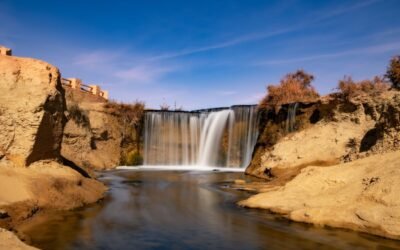
The Fayoum Oasis is one of Egypt’s oldest and most fertile regions, fed by a branch of the Nile known as Bahr Yussef. Historically, it has been a center of agriculture and settlement since Pharaonic times. The landscape is characterized by lush fields, palm groves, and the vast expanse of Lake Qarun, Egypt’s third-largest lake. The oasis played a crucial role in connecting the Nile Valley to the Western Desert, making it a hub for trade and cultural exchange.
For a deeper look at what makes this region unique, explore the Fayoum Oasis to discover its natural beauty and ancient heritage.
Qasr Qarun: The Crocodile God’s Desert Fortress
Qasr Qarun, also known as the Temple of Dionysias, stands on the northern edge of Lake Qarun. Built during the Ptolemaic period (circa 3rd century BCE), the temple was dedicated to Sobek, the crocodile god associated with fertility and water. The structure is remarkable for its labyrinthine corridors, hidden chambers, and rooftop views of the surrounding desert and lake. Its thick stone walls have protected it from erosion, making it one of the best-preserved temples of its era.
For detailed visitor tips and historical context, see the Qasr Qarun Temple guide.
Dimeh el-Siba: The Lost City in the Sand
Dimeh el-Siba, commonly called Dimeh, lies northwest of Qasr Qarun and was once a thriving Greco-Roman city. Founded by Ptolemy II in the 3rd century BCE, Dimeh was built atop earlier Pharaonic settlements. The ruins stretch across the desert, featuring remnants of city walls, temples, houses, and streets. Archaeologists have uncovered artifacts revealing a cosmopolitan community that included Greeks, Romans, and native Egyptians. The city’s strategic location near caravan routes made it an important commercial center in antiquity.
For travelers interested in Egypt’s diverse archaeological sites, the Attractions category offers an overview of must-see destinations across the country.
Architectural Features and Mysteries of Qasr Qarun
The temple at Qasr Qarun is famous for its unique architectural layout. Unlike most Egyptian temples, its design features a maze of rooms, corridors, and staircases, some of which remain shrouded in mystery. The sanctuary is located deep within the structure, accessible only through narrow passageways. Scholars believe the complex was used for religious ceremonies and possibly as a fortress during times of unrest. The temple’s alignment with the winter solstice, when sunlight illuminates the inner sanctuary, adds to its intrigue and spiritual significance.
Travelers seeking an exclusive and comfortable way to explore Egypt’s ancient wonders may consider the Egypt Luxury Trip, which often includes visits to off-the-beaten-path sites like Fayoum.
Exploring Dimeh: What to See Among the Ruins
Dimeh’s ruins are spread over a large area, inviting exploration on foot. Visitors can walk along the ancient main street, lined with the remains of mudbrick houses and public buildings. Two well-preserved temples, dedicated to local and Greco-Roman deities, stand as focal points. The city’s defensive walls and gates hint at its former importance as a fortified settlement. Pottery shards, coins, and inscriptions found on site provide glimpses into daily life during the Hellenistic and Roman periods. Dimeh’s remote location ensures a peaceful, uncrowded experience, perfect for history enthusiasts and photographers.
Those looking for a tailored experience can opt for a Luxury Private Tour Egypt, which offers flexible itineraries and expert guides for in-depth exploration of sites like Dimeh.
Nature and Wildlife: The Fayoum’s Ecological Riches
Beyond its ancient ruins, the Fayoum region is renowned for its ecological diversity. Lake Qarun is a haven for migratory birds, including flamingos, herons, and pelicans, making it a prime destination for birdwatchers. The nearby Wadi El Rayan and Wadi El Hitan (Valley of the Whales) are UNESCO World Heritage Sites, celebrated for their fossil discoveries and dramatic desert landscapes. The combination of archaeology and nature makes Fayoum a unique destination for travelers seeking variety in their Egyptian adventure.
For those interested in combining cultural exploration with relaxation, a Nile cruise such as the Iris Dahabiya offers a different perspective on Egypt’s natural and historical treasures.
How to Get There: Access and Practical Tips
Qasr Qarun and Dimeh are accessible via road from Cairo, with most visitors opting for a private car or organized tour. The drive takes approximately two hours. The best time to visit is during the cooler months from October to April. Bring water, sun protection, and sturdy footwear, as the terrain can be sandy and uneven. There are limited facilities at the sites themselves, so plan accordingly. Local guides are available and can enrich your visit with historical insights and stories. For a different day trip from Cairo, see our guide to the Wadi El Natrun monasteries.
For travelers planning a broader Egyptian itinerary, consider adding a Dahabiya Nile Sailing Cruise to experience the country’s iconic river landscapes alongside its desert wonders.
When to Visit and What to Expect
The climate in the Fayoum region is desert-like, with hot summers and mild winters. Early mornings and late afternoons are the most comfortable times to explore the ruins. The annual Qasr Qarun Festival, held around the winter solstice, draws visitors to witness the alignment of sunlight within the temple’s sanctuary. Outside of festival times, both Qasr Qarun and Dimeh are generally quiet, offering a tranquil setting for exploration and photography. Visitors should respect the archaeological sites by not climbing on structures or removing artifacts.
Frequently Asked Questions
-
What is the historical significance of Qasr Qarun?
Qasr Qarun is significant as a Ptolemaic-era temple dedicated to the crocodile god Sobek, reflecting the blend of Egyptian and Greco-Roman religious traditions in the Fayoum region. -
How do I reach Qasr Qarun and Dimeh from Cairo?
Both sites are about a two-hour drive from Cairo, accessible by private car or organized tour, with the route passing through the scenic Fayoum Oasis. -
Are there facilities or guides available at the ruins?
Facilities at Qasr Qarun and Dimeh are limited, but local guides are often available and can provide valuable historical context during your visit. -
What should I bring for a visit to these sites?
Visitors should bring water, sun protection, comfortable walking shoes, and a camera to capture the stunning desert scenery and ancient ruins. For an overnight stay in the desert, see our checklist for a night in the Egyptian desert. -
Can Qasr Qarun and Dimeh be visited in a single day?
Yes, both sites can be explored in a single day as part of a day trip from Cairo or as a highlight of a longer stay in the Fayoum region. -
Is it possible to combine a visit to Fayoum with a Nile cruise?
While Fayoum is separate from the Nile, many travelers incorporate both experiences into their itinerary, enjoying the archaeological sites of Fayoum and the scenic journey of a Nile cruise on another leg of their trip.