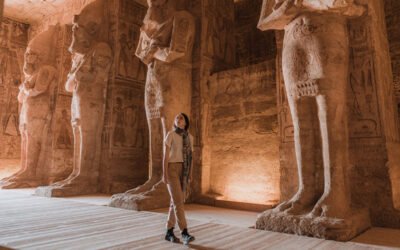
Qasr Qarun Temple is a Ptolemaic-era temple in Fayoum, Egypt, dedicated to Sobek, the crocodile god of fertility and water. Built during the reign of Ptolemy II in the third century BC, it is also known as the Temple of Dionysius and blends Greek and Egyptian architectural styles. It sits near Qarun Lake, about 80 kilometers southwest of Cairo, and is one of the few well-preserved temples of its era outside the Nile Valley.
Key Takeaways
- Dedicated to Sobek, the crocodile god of fertility and water; also known as the Temple of Dionysius.
- Built during the reign of Ptolemy II in the third century BC, blending Greek and Egyptian design.
- One of the few well-preserved temples from the Ptolemaic period located outside the Nile Valley.
- Located near Qarun Lake in Fayoum, about 80 km southwest of Cairo.
- Best visited October to April, in early morning or late afternoon, when crowds are minimal.
History and Architecture
Qasr Qarun Temple, also known as the Temple of Dionysius, was built during the reign of Ptolemy II in the third century BC. It blends Greek influence with traditional Egyptian design, reflecting the cultural fusion of the Ptolemaic period, and was dedicated to Sobek, the crocodile god associated with fertility, strength, and the waters of Fayoum. It is one of the few well-preserved temples from that era located outside the Nile Valley. Unlike the larger temples in Luxor City, such as the Luxor Temple and Temple Of Hatshepsut, Qasr Qarun offers a smaller, more intimate structure.
What to Expect Inside
The temple’s interior is a maze of narrow corridors, dark chambers, and steep staircases. Rooms that likely served as storerooms, offering halls, or priestly quarters remain accessible today, and the rooftop gives panoramic views of the surrounding desert and Qarun Lake in the distance. Weathered carvings on the walls reference the rituals once performed in honor of Sobek and Dionysius.
Qarun Lake and the Surrounding Landscape
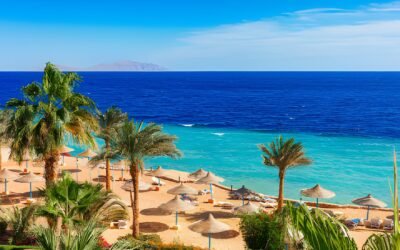
The temple sits close to Qarun Lake, one of Egypt’s oldest natural lakes, whose water contrasts with the surrounding desert terrain, especially at sunset. Nearby, the Wadi El Rayan waterfalls and nature reserve are home to a range of bird species and scenic dunes, often visited together as part of an Egypt adventure tour. The Wadi Al Hitan (Valley of the Whales), a UNESCO World Heritage Site with the fossilized remains of early whale species, is also within reach for travelers combining cultural and natural history in one trip.
Getting There and Nearby Attractions
Qasr Qarun Temple is roughly 80 kilometers southwest of Cairo and can be included in Egypt Vacation Packages that cover the Fayoum region, often alongside the Fayoum Oasis and Tunis Village Faiyum, known for traditional pottery. Travelers who prefer a self-paced trip can book a private Egypt trip or an Eco Tours In Egypt itinerary. The temple complex is open year-round, with October through April offering cooler weather and fewer crowds. It can also be paired with a 6 day Egypt tour, a best Egypt itinerary, or a Nile cruise such as the Oberoi Philae Nile Cruise. Other nearby stops include the dunes of the White Desert Egypt.
Visitor Tips
- Wear comfortable walking shoes and carry water, especially during warmer months.
- Bring a flashlight or headlamp to explore the temple’s narrow inner corridors.
- Hire a local guide to learn the history behind the temple’s carvings and rituals.
- Combine your visit with nearby sites like Wadi El Rayan and Wadi Al Hitan for a full-day trip.
- Stay overnight in Fayoum City to experience local hospitality.
FAQs About Qasr Qarun Temple
Where is Qasr Qarun Temple located?
Qasr Qarun Temple is located on the western edge of Qarun Lake in the Fayoum region, approximately 80 kilometers southwest of Cairo.
What god was worshipped in Qasr Qarun Temple?
The temple was dedicated to Sobek, the crocodile god, symbolizing fertility, strength, and protection linked to the waters of Fayoum.
When was Qasr Qarun Temple built?
It was constructed during the Ptolemaic period, around the third century BC, under the rule of Ptolemy II Philadelphus.
How can I visit Qasr Qarun Temple?
You can include it in a private guided tour of Egypt or choose an itinerary featuring the Fayoum region within broader Egypt Vacation Packages.
What are other attractions near Qasr Qarun Temple?
Nearby attractions include Wadi El Rayan, Tunis Village Faiyum, Wadi Al Hitan, and Fayoum Oasis.