Eco tours in Egypt combine sightseeing with low-impact travel: diving among protected coral reefs on the Red Sea, camping in the White Desert, staying at eco-lodges built from local materials in Siwa Oasis, or sailing the Nile aboard a small Dahabiya boat instead of a large cruise ship. These trips prioritize local communities and conservation over standard mass-market itineraries.
Key Takeaways
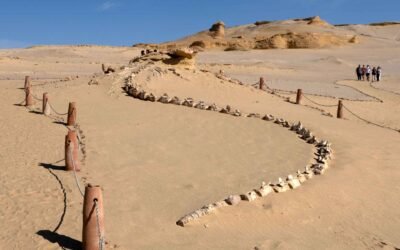
- Wadi El Hitan (the Valley of Whales) is a UNESCO World Heritage Site (an internationally recognized heritage designation) dedicated to conservation and prehistoric marine fossils.
- Siwa Oasis is a model for sustainable tourism, with eco-lodges built from local materials alongside its salt lakes and ancient ruins.
- Sustainable diving centers near Marsa Alam and the Blue Hole of Dahab focus on reef protection and coral restoration.
- Dahabiya Nile cruises use smaller vessels than standard cruise ships, reducing environmental impact and supporting local farmers and craftspeople along the river.
- The best time for an eco tour is October to April, when cooler weather suits desert hiking and diving alike.
Desert and Oasis Eco Destinations
Siwa Oasis is a model for sustainable tourism, where visitors can explore salt lakes, ancient ruins, and eco-lodges built from local materials. Wadi El Hitan, also known as the Valley of Whales, offers a glimpse into Earth’s prehistoric past and is a UNESCO World Heritage site dedicated to conservation. Travelers can also camp under the stars in the White Desert Egypt, or enjoy sandboarding, nature photography, and stargazing in the Bahariya Oasis Egypt and the Black And White Desert Egypt.
Marine Conservation on the Red Sea
The Red Sea coast offers some of the world’s best diving and snorkeling sites. Travelers can explore coral reefs in Marsa Alam or dive at the Blue Hole Of Dahab, both served by sustainable diving centers that prioritize reef protection and coral restoration. Divers can also visit Ras Mohammed National Park, one of the region’s pristine reef sites. At Wadi El Gemal National Park, visitors can see rare birds, sea turtles, and mangroves, with eco-tourism there helping protect these fragile ecosystems.
Eco-Friendly Nile Travel
A Best Dahabiya Nile Cruise – a small, traditional sailboat – carries far fewer passengers than a standard cruise ship, reducing environmental impact while supporting local farmers and craftspeople along the banks of the Nile River. These trips connect ancient temples and wildlife observation points along the way.
Community-Based Eco Tourism
In the Nubian Village near Aswan, travelers can experience Nubian hospitality and a lifestyle built on solar energy and organic farming. In Fayoum, Tunis Village Faiyum is known for its pottery workshops and green practices. Eco-lodges around Qarun Lake or Wadi El Rayan support local artisans.
| Destination | Eco Experience |
|---|---|
| Siwa Oasis | Salt lakes, ancient ruins, eco-lodges from local materials |
| Wadi El Hitan | UNESCO fossil site, marine conservation |
| Bahariya Oasis / Black and White Desert | Sandboarding, stargazing, low-impact desert camping |
| Marsa Alam / Blue Hole of Dahab | Reef-safe diving and snorkeling, coral restoration |
| Wadi El Gemal National Park | Rare birds, sea turtles, mangroves |
| Nubian Village (near Aswan) | Solar energy, organic farming, traditional hospitality |
| Tunis Village, Fayoum | Pottery workshops, green practices |
Combining Eco Tours with Historical Sites
Eco tours can be combined with stops at historical sites such as the Temple Of Philae, Abu Simbel Temples, and The Valley Of The Kings. Structured options such as the best Egypt itinerary can include eco-conscious destinations, and pairing an eco tour with Cultural Tours Egypt adds cultural immersion.
Practical Tips for Responsible Travel in Egypt
- Choose eco-certified accommodations and local guesthouses in oases and coastal areas.
- Limit plastic use by carrying reusable bottles and bags.
- Respect wildlife and natural habitats by maintaining a safe distance during observation.
- Support local economies by purchasing handmade crafts and local organic products.
- Consider a guided itinerary such as the Egypt adventure tour for a blend of excitement and sustainable travel.
Customized Egypt Tour Packages can include sustainable transport options and eco-lodges for travelers who want to combine eco-travel with classic sightseeing. Our guide to choosing a tailor-made Egypt trip over a group tour explains how a custom itinerary works.
Frequently Asked Questions About Eco Tours in Egypt
What are the best eco-tour destinations in Egypt?
Some of the top eco-friendly destinations include Siwa Oasis, Wadi El Hitan, Wadi El Gemal National Park, and the White Desert.
Are eco tours in Egypt suitable for families?
Yes. Many operators design educational activities for children, such as visiting the Nubian Village or pottery workshops in Tunis Village, Fayoum.
What is the best time to join an eco tour in Egypt?
The ideal time is from October to April when the weather is cooler, making deserts and coastal areas better suited for hiking, diving, and exploring reserves like Ras Mohammed National Park.
How can I ensure my tour operator follows eco-friendly practices?
Choose operators that promote sustainability, hire local guides, and use renewable resources. Reading reviews or booking through verified platforms like Egypt Tour Packages helps confirm authentic eco experiences.
Can I combine eco tours with cultural experiences in Egypt?
Yes. Combine eco tours with visits to ancient sites or join the Best Nile River Cruises for a sustainable way to enjoy Egypt’s iconic landmarks.