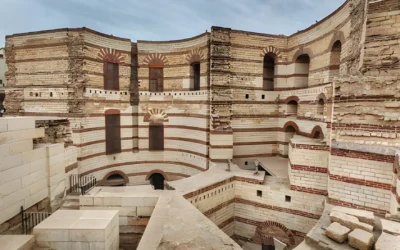
Dakhla Oasis: Mud-Brick Villages And Hot Springs Off The Tourist Trail
Dakhla Oasis, nestled deep in Egypt’s Western Desert, is a captivating destination known for its ancient mud-brick villages, lush palm groves, and therapeutic hot springs. Unlike more famous Egyptian sites, Dakhla remains off the mainstream tourist trail, offering authentic encounters with history, culture, and desert landscapes in a tranquil setting.
Key Takeaways
- Dakhla Oasis is renowned for its well-preserved mud-brick villages, some dating back to medieval times.
- The oasis features natural hot springs, popular for their mineral-rich therapeutic waters.
- Dakhla is less visited than other Egyptian oases, making it ideal for travelers seeking solitude and authenticity.
- Highlights include the ancient town of Al-Qasr, Deir al-Hagar temple, and the lush palm groves of Mut.
- The oasis is accessible via desert roads from Kharga or Farafra, with basic but comfortable accommodations available.
The Allure of Dakhla Oasis
Dakhla Oasis lies approximately 750 kilometers southwest of Cairo, surrounded by golden dunes and rocky escarpments. Unlike Egypt’s Nile Valley, Dakhla’s landscape is shaped by underground springs that have sustained life for millennia. The oasis is home to over a dozen villages, each with its own character, and is famed for its serene atmosphere, date palms, and centuries-old mud-brick architecture. Visitors to Dakhla find an oasis where time seems to slow down, and where the rhythm of daily life is still dictated by the desert and the seasons.
For travelers interested in exploring more of Egypt’s unique oases, the Siwa Oasis Camping Guide provides insights into another remote and enchanting desert destination.
Mud-Brick Villages: Living History
The mud-brick villages of Dakhla are among Egypt’s best-preserved examples of vernacular architecture. The most famous is Al-Qasr, a medieval Islamic town built atop Roman foundations. Its labyrinthine alleyways, arched gateways, and intricately carved wooden doors transport visitors back in time. Many of the homes and mosques in Al-Qasr are still inhabited, offering a rare glimpse into traditional oasis life. The village of Balat, with its ancient necropolis and old houses, is another highlight, showcasing the continuity of settlement in the oasis for thousands of years.
To delve deeper into the stories and secrets of Dakhla, the Dakhla Oasis blog offers a wealth of information and travel inspiration for curious explorers.
Hot Springs and Natural Pools
Dakhla Oasis is dotted with natural hot springs, prized for their mineral content and soothing properties. The most popular springs are Bir Tarfawi and Bir Gebel, where visitors can relax in warm, bubbling pools surrounded by date palms and desert scenery. These springs are frequented by locals and travelers alike, seeking relief from aches or simply a tranquil soak after a day of exploration. Many of the oasis’ guesthouses also feature private hot spring baths, making it easy to unwind in comfort.
For those seeking wellness and adventure in Egypt’s deserts, the Egypt Adventure Tour includes opportunities to experience Dakhla’s hot springs as part of a wider exploration of the country’s wild landscapes.
Temples and Ancient Relics
Although Dakhla is less known for Pharaonic monuments than other regions, it boasts several remarkable archaeological sites. The Roman temple of Deir al-Hagar, built during the reign of Emperor Nero, stands amidst the desert sands, its reliefs and columns remarkably intact. The nearby Bashendi necropolis contains elaborately painted tombs dating from the Roman and early Christian periods. These sites offer a fascinating window into the oasis’ role as a crossroads of ancient civilizations, where Egyptian, Roman, and Berber influences mingled over the centuries. Egypt’s Greco-Roman past also survives at Qasr Qarun and Dimeh on the edge of the Fayoum.
Travelers with a passion for Egypt’s deep history will find more destinations and insights in the Culture & History category, which covers everything from temples to traditional crafts.
Local Life and Desert Traditions
Dakhla Oasis is home to a vibrant community of farmers, artisans, and traders. The daily life of the oasis revolves around the cultivation of dates, olives, and wheat, using ancient irrigation techniques. Traditional crafts such as pottery, weaving, and basket-making are still practiced, and visitors can often watch artisans at work in local workshops. The people of Dakhla are known for their hospitality, and sharing tea or a meal with a local family is often a highlight of any visit. Festivals and religious celebrations bring the villages to life with music, dance, and colorful processions.
For travelers interested in combining authentic cultural experiences with luxurious accommodations, the 10 Days Palace Hotels Egypt Tour offers curated journeys that blend desert adventure with historical elegance.
Planning Your Visit: When and How to Go
The best time to visit Dakhla Oasis is from October to April, when daytime temperatures are mild and the nights are cool. Summer can be extremely hot, with temperatures soaring above 40°C (104°F). The oasis is accessible by road from Kharga Oasis (190 km away) or Farafra Oasis (300 km away). While there is no direct train or flight, private cars, buses, and organized tours are available. Accommodations range from simple guesthouses to eco-lodges, many of which are built in traditional styles and offer home-cooked meals. It’s advisable to book ahead, especially during peak season or local festivals.
Those who wish to explore Egypt’s waterways as well as its deserts might consider the unique experience of a Nile cruise aboard the Agatha Dahabiya, which offers a tranquil way to see the country’s heartland.
Desert Adventures and Outdoor Activities
Dakhla Oasis is a paradise for lovers of the outdoors. The surrounding desert offers opportunities for hiking, camel trekking, and 4×4 excursions to remote dunes and rock formations. The White Desert, known for its surreal chalk landscapes, is within reach for day trips or overnight camping. Birdwatchers will find a surprising diversity of species in the oasis’ groves and wetlands. Stargazing is exceptional, thanks to the clear desert skies and lack of light pollution. Guided tours are recommended for venturing beyond the villages, as the desert can be unforgiving to the unprepared.
For a different perspective on Egypt’s landscapes, the Meroe Dahbiya Nile cruise combines river journeys with explorations of lesser-known destinations.
Comparing Egypt’s Western Desert Oases
| Oasis | Main Attractions | Best For | Accessibility |
|---|---|---|---|
| Dakhla | Mud-brick villages, hot springs, Deir al-Hagar temple | Cultural immersion, wellness, off-the-beaten-path travel | By road from Kharga or Farafra |
| Siwa | Ancient Oracle Temple, salt lakes, Shali fortress | Adventure, nature, Berber culture | By road from Marsa Matrouh |
| Bahariya | Black Desert, White Desert, Valley of the Golden Mummies | Desert safaris, archaeology | By road from Cairo |
| Kharga | Hibis Temple, Bagawat Cemetery | Ancient history, gateway to other oases | By road, bus from Cairo or Luxor |
Each oasis offers distinct landscapes and experiences. For those considering a circuit of Egypt’s Western Desert, combining Dakhla with Siwa and Bahariya can provide a comprehensive adventure. To plan such a trip, resources like the Egypt Adventure Tour are invaluable in ensuring a safe and memorable journey.
Frequently Asked Questions
-
How do I get to Dakhla Oasis from Cairo?
Dakhla Oasis can be reached by road from Cairo via Kharga Oasis, with buses and private transfers available; there are no direct flights or trains. -
Are there hotels or guesthouses in Dakhla Oasis?
Dakhla offers a range of accommodations, from simple guesthouses to eco-lodges, many of which are built in traditional mud-brick style and offer local cuisine. -
What are the main attractions in Dakhla Oasis?
Key attractions include the medieval mud-brick town of Al-Qasr, the Deir al-Hagar Roman temple, natural hot springs, and the palm groves of Mut. -
Is it safe to travel to Dakhla Oasis?
Dakhla Oasis is generally safe for tourists, but travelers should check current travel advisories and consider joining organized tours for desert excursions. If your trip includes a night out in the dunes, our desert overnight packing checklist covers what to bring. -
What is the best time of year to visit Dakhla Oasis?
The most comfortable months for visiting Dakhla Oasis are from October to April, when temperatures are moderate and conditions are ideal for outdoor activities. -
Can I combine a visit to Dakhla with other Egyptian oases?
Yes, it is possible to combine Dakhla with other Western Desert oases such as Kharga, Farafra, and Bahariya, often as part of a multi-day desert itinerary.