Ancient Egyptian Papyrus Art: The Eternal Canvas of Civilization
Ancient Egyptian Papyrus Art stands as one of the earliest forms of documented artistic expression in human history. It embodies the devotion, spirituality, and ingenuity of a civilization that thrived along the sacred The Nile River. From sacred texts to decorative masterpieces, papyrus art preserved the heart of Egyptian culture for millennia. Today, these artworks remain symbols of Egypt’s enduring legacy, attracting travelers, historians, and collectors worldwide.
Attention: The Origins of Ancient Egyptian Papyrus Art
The ancient Egyptians invented papyrus around 3000 BCE, using it as a material for writing and painting. Crafted from the stems of the papyrus plant, this medium was flexible, durable, and surprisingly elegant. It became the base for sacred scrolls, royal decrees, and colorful illustrations that adorned tombs and temples. Many of these masterpieces are on display at The Egyptian Museum Of Cairo, offering visitors a glimpse into the visual storytelling of the past.
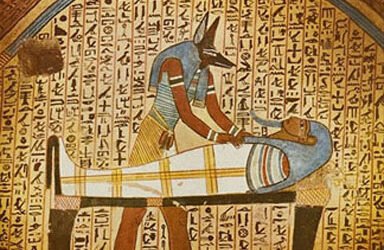
The use of papyrus extended beyond mere documentation—it was a spiritual practice. Artists depicted gods, rituals, and daily life scenes using mineral-based pigments. Each brushstroke reflected a symbolic meaning, often connected to religious beliefs and cosmic order. To experience the spiritual depth behind these designs, a visit to the The National Museum Of Egyptian Civilization provides further insight into how papyrus art narrated the journey of life, death, and eternity.
Interest: The Craftsmanship and Symbolism in Papyrus Art
Creating papyrus was an intricate process. Egyptians sliced the stalks of the plant, soaked them, and layered them crosswise before pressing them into sheets. Once dried, these sheets became the foundation for stunning painted narratives. The figures painted on papyrus followed the strict artistic conventions of ancient Egypt—profile faces, frontal torsos, and symbolic proportions. These artistic rules were not limitations but rather sacred guidelines meant to maintain divine harmony.
Many papyrus paintings portrayed gods such as Ra, Isis, and Osiris, whose stories are central to Egyptian mythology, including the famous The Legend Of Osiris And Isis. The Eye of Horus, symbolizing protection and healing, frequently appeared as a powerful motif similar to the design detailed in the Egyptian Eye Of Horus article.
Every color used in these paintings carried meaning. Blue represented the heavens, green symbolized fertility, and gold connected to the divine. These vivid depictions reveal not only the Egyptians’ artistic skills but also their understanding of color psychology and spirituality.
Desire: The Enduring Appeal of Papyrus Art Today
Today, Ancient Egyptian Papyrus Art continues to captivate both scholars and travelers. Modern artisans in Egypt still replicate ancient techniques, producing authentic papyrus artworks that make perfect keepsakes for visitors. Travelers exploring Cairo City can find papyrus workshops near Khan Al-Khalili Cairo, where artists demonstrate how ancient methods are preserved and adapted for contemporary designs.
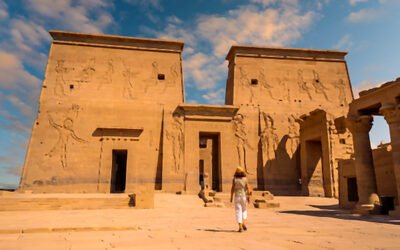
To delve into ancient art in its original environment, tourists often include stops at temples like Luxor Temple and Karnak Temple on their itineraries. These sites feature hieroglyphics and wall paintings that inspired countless papyrus scrolls. The relationship between monumental temple art and papyrus paintings illustrates how Egyptians unified architecture, religion, and visual art into a coherent spiritual language.
For travelers who wish to appreciate papyrus art in the broader context of ancient culture, multi-day itineraries such as the 14 day Egypt tour or the 6 day Egypt tour are ideal. These tours often include visits to museums and artisans, where one can witness the living tradition of papyrus making firsthand. For art enthusiasts seeking exclusivity, a luxury private tour Egypt offers curated experiences with private access to papyrus collections and workshops.
Action: Experience the Magic of Ancient Egyptian Papyrus Art in Person
Seeing authentic papyrus art in person is a transformative experience. The texture, natural hues, and intricate brushwork convey a level of craftsmanship that photos can never capture. Whether displayed in ancient temples or sold in Cairo’s artisanal markets, papyrus art bridges the ancient and modern worlds with beauty and wisdom. Visitors can complement this cultural journey with a scenic voyage like the Best Nile River Cruises, which pass by many locations connected to Egypt’s early art legacy.
If you’re planning a cultural trip, consider including stops at the The Grand Egyptian Museum and Luxor Museum. These institutions showcase original papyrus manuscripts and decorative panels that reveal the artistic evolution of ancient Egypt. For travelers seeking a deeper dive into historical art, an Ancient Egypt Tours itinerary can provide expert-guided insights into the stories behind these timeless works.
Modern-day artisans still use traditional tools and natural dyes to produce papyrus paintings of deities, pharaohs, and sacred animals. The connection between papyrus art and the divine world is further explored through topics such as Ancient Egyptian Animal Gods and royal imagery like the The King Tutankhamun’s Mask, which continue to inspire modern reproductions.
To plan your perfect cultural trip exploring Egypt’s artistic heritage, you can choose from specialized Egypt Tour Packages or personalized Private Egypt Tours. These tours provide unique access to workshops, historical sites, and expert guides who bring the world of papyrus art vividly to life.
Preserving the Legacy of Egyptian Papyrus
Preserving papyrus art is vital for understanding humanity’s early advances in communication and creativity. Each preserved piece represents centuries of cultural continuity. Research institutions and museums across Egypt strive to maintain these fragile artifacts, using advanced conservation methods to prevent deterioration. A visit to Memphis Egypt, The Old Egyptian Capital or Sakkara Necropolis allows visitors to see ancient reliefs that once inspired papyrus compositions, linking stone carvings to the paper-like art medium.
For travelers captivated by Egypt’s artistic and historical allure, exploring the country’s cultural treasures through organized Egypt Vacation Packages ensures a seamless experience combining comfort and knowledge. The story of papyrus art is more than an artistic tale—it’s a narrative of devotion, innovation, and immortality written in color and line.
FAQs About Ancient Egyptian Papyrus Art
1. What materials were used to create ancient Egyptian papyrus art?
Artists used natural mineral pigments mixed with water to paint on papyrus sheets made from the papyrus plant. Brushes were often made from reeds or thin sticks, and the colors were derived from natural sources like ochre and malachite.
2. What subjects were commonly depicted in papyrus paintings?
Common themes included gods, pharaohs, funerary scenes, and texts from the Book of the Dead. Artists often portrayed divine figures such as Isis, Ra, and Osiris in symbolic poses reflecting spiritual beliefs.
3. Can I buy authentic papyrus art in Egypt today?
Yes, many Egyptian artisans continue to handcraft papyrus art using ancient techniques. You can find authentic pieces in Cairo’s markets like Khan Al-Khalili Cairo or at certified workshops across the country.
4. Where can I see the best examples of ancient papyrus art?
The best examples are displayed in the The Egyptian Museum Of Cairo, The National Museum Of Egyptian Civilization, and the The Grand Egyptian Museum.
5. How does papyrus art reflect the beliefs of ancient Egypt?
Papyrus art was deeply symbolic, portraying the journey of the soul, the gods’ protection, and the importance of eternal life. Through color, form, and inscription, each painting served as a spiritual guide connecting the earthly realm with the divine.