Discover How to Write Your Name in Hieroglyphics: A Journey Into Ancient Egyptian Script
Have you ever wondered how your name would look carved into the walls of an ancient temple? Learning to write your name in hieroglyphics connects you directly to the fascinating world of ancient Egypt — a civilization renowned for its art, spirituality, and complex writing systems. Whether you’re planning to visit Egypt soon or simply want to explore its culture from home, understanding hieroglyphics adds a new layer of appreciation to your journey.
Attraction: The Magic of Ancient Egyptian Hieroglyphics
Hieroglyphics were more than just a way of writing; they were a sacred language that linked the Egyptians to their gods. Every symbol had deep meaning — birds represented freedom or life, eyes signified protection, and animals often stood for deities. When you write your name in hieroglyphics, you’re not only spelling out letters, but also invoking symbols that carry spiritual and historical significance.
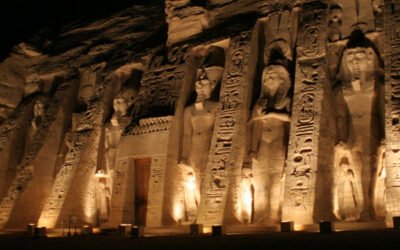
To truly grasp the beauty of hieroglyphs, visiting Egypt is an unforgettable experience. You can admire real inscriptions at landmarks like the Luxor Temple or the Karnak Temple, where walls are covered in intricate carvings, each line narrating stories of gods, kings, and eternal life. These sites show how hieroglyphics were not just communication tools but also works of art.
Interest: The History and Evolution of Hieroglyphic Writing
Hieroglyphics date back more than 5,000 years, making them one of the oldest writing systems in the world. The word “hieroglyph” comes from the Greek words “hieros” (sacred) and “glypho” (carving). This sacred script was used primarily in temples, tombs, and royal monuments. Everyday Egyptians used simpler forms called hieratic and demotic scripts for daily writing.
If you explore the The Egyptian Museum Of Cairo, you’ll find magnificent examples of hieroglyphic inscriptions on papyrus and stone, revealing how writing played a vital role in religion and governance. The famous Rosetta Stone, discovered in 1799, helped scholars decode hieroglyphics by comparing them with Greek and Demotic languages, unlocking thousands of years of Egyptian history.
The Structure of Hieroglyphics
Unlike modern alphabets, hieroglyphics used pictures to represent sounds, objects, or ideas. Some symbols stood for a single sound (like our letters), while others represented entire words or concepts. When you write your name, you typically use the phonetic symbols — those that correspond to the sounds of your name rather than their meanings.
For instance, to write “Sarah,” you would find hieroglyphs that sound like “S,” “A,” “R,” and “H.” Ancient Egyptians often added decorative or symbolic symbols for protection or blessing, depending on the context.
Desire: Why Learning to Write Your Name in Hieroglyphics is So Rewarding
Translating your name into hieroglyphics can be more than just a fun activity — it’s a way to connect with ancient wisdom and understand how Egyptians viewed life, spirituality, and identity. Many travelers visiting Egypt choose to learn basic hieroglyphics during their trip or even purchase personalized souvenirs featuring their names inscribed in this ancient script.
If you’re planning your Egyptian adventure, several tours include visits to temples where you can see hieroglyphics up close. For example, the Egypt tour with Nile cruise allows you to sail along the Nile while exploring temples that display some of the most beautiful inscriptions. Similarly, the Egypt adventure tour immerses you in cultural and archaeological sites, where you can study the artistic details of hieroglyphic carvings.
Personalizing Your Experience
Imagine presenting your friends with a papyrus scroll showing your name written in hieroglyphics, created by local artisans. Papyrus art, such as that seen in Ancient Egyptian Papyrus Art, remains a popular tradition in Egypt, continuing the artistic legacy of hieroglyphic writing. This art form bridges the ancient and modern worlds beautifully.
For a deeper connection, consider exploring Ancient Egyptian Animal Gods and how each symbol reflects aspects of daily life, nature, and divine power. Understanding these deities provides richer context for the symbols you’ll use when writing your name.
Action: How to Write Your Name in Hieroglyphics Step-by-Step
Writing your name in hieroglyphics might seem complex, but it’s surprisingly straightforward once you understand the basics. Follow these steps to create your own piece of ancient art:
1. Break Down Your Name Phonetically
Consider how your name sounds rather than how it’s spelled. Egyptians wrote words based on sound patterns — for instance, “Philip” would be represented as “P-H-I-L-I-P.”
2. Find Corresponding Hieroglyphs
Each sound has a matching hieroglyph. You can find hieroglyphic charts online or in books related to Egyptian language studies. These charts show which symbol corresponds to each letter or phonetic sound.
3. Arrange Symbols Correctly
Hieroglyphs can be written left-to-right, right-to-left, or top-to-bottom. The direction the symbols face indicates the reading order. When designing your name, make sure the characters face toward the start of your word — Egyptians valued balance and symmetry.
4. Add Decorative or Protective Symbols
Egyptians often added symbols like the Egyptian Eye Of Horus for protection or the Ankh for life. You can embellish your name with these powerful emblems for a more authentic look.
5. Display Your Artwork
Once you’ve written your name, display it proudly! You can paint it on papyrus, carve it into clay, or even wear it as jewelry. For inspiration, visit the The National Museum Of Egyptian Civilization to see how artisans used hieroglyphics in daily and religious life.
Where to Experience Hieroglyphics in Egypt
Exploring temples and tombs where hieroglyphics were born makes the learning experience unforgettable. The The Valley Of The Kings in Luxor City showcases perfectly preserved writings describing the journey to the afterlife. Similarly, the Temple Of Hatshepsut displays the story of Egypt’s most powerful queen in vivid hieroglyphic form.
To enhance your understanding, consider joining the 8 day Cairo and Nile cruise tour, where expert guides explain the meanings behind hieroglyphic carvings as you explore ancient monuments along the Nile.
Unlock the Secrets of Egypt Through Language
Hieroglyphics reveal the mindset of a civilization obsessed with immortality, balance, and divine order. By writing your name in hieroglyphics, you touch a piece of that eternal tradition. Whether you’re fascinated by ancient linguistics or simply intrigued by Egyptian culture, this unique skill enriches your connection to one of humanity’s greatest civilizations.
If you’re ready to take your fascination further, explore the Ancient Egypt Tours designed to immerse travelers in authentic historical experiences. You’ll visit temples, museums, and tombs where hieroglyphics still speak across millennia.
Frequently Asked Questions About Writing Your Name in Hieroglyphics
1. How accurate are modern translations of names into hieroglyphics?
Modern translations use phonetic equivalents, meaning they capture the sound rather than the exact spelling. While not perfect, they provide a close representation consistent with ancient Egyptian writing conventions.
2. Can everyone write their name in hieroglyphics?
Yes! Because hieroglyphics are based on sound, any name from any language can be adapted into this system using phonetic symbols.
3. Where can I see real hieroglyphics in Egypt?
You can view authentic hieroglyphics at sites like the Abu Simbel Temples, the Temple Of Philae, and on tomb walls in the Valley Of The Queens. Each site showcases unique inscriptions revealing historical narratives.
4. Is learning hieroglyphics difficult?
It can be challenging at first due to its symbolic nature, but learning the phonetic alphabet and basic grammar makes it accessible for beginners interested in ancient languages.
5. Can I buy souvenirs with my name in hieroglyphics in Egypt?
Absolutely. Many artisans in markets near the Khan Al-Khalili Cairo bazaar offer personalized papyrus scrolls, jewelry, and carvings featuring your name in hieroglyphics — the perfect memento of your Egyptian adventure.