Why Explore National Parks in Egypt?
Egypt’s national parks are among the most extraordinary and diverse in North Africa. Beyond the timeless pyramids and the majestic temples of Luxor City, these protected areas reveal a completely different side of the country — one that thrives with natural wonders, rare wildlife, and stunning landscapes. Exploring national parks in Egypt offers travelers a rare opportunity to connect deeply with ancient environments, desert ecosystems, and marine sanctuaries that have preserved Earth’s beauty for millennia.
Attention: Egypt’s National Parks – More Than Just Sand and Monuments
When people think of Egypt, they often picture the Great Pyramids of Giza, the Nile River, and centuries of pharaonic history. But the country’s natural side is equally captivating. Egypt’s 30+ national parks and protectorates include vast deserts, coral reefs, mountain ranges, and fertile oases. Each park provides a different kind of experience—whether it’s the serene beauty of the Red Sea’s marine life or the otherworldly silence of the Western Desert.
For those planning an adventure-focused trip, choosing a curated itinerary such as the Egypt adventure tour or an Egypt itinerary 6 days can include visits to these breathtaking natural landscapes.
Interest: Discover Egypt’s Most Stunning National Parks
Ras Mohammed National Park – A Red Sea Treasure
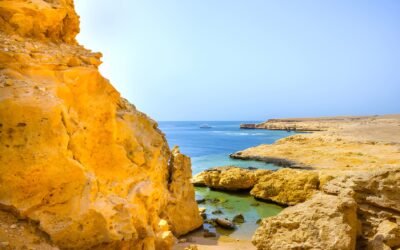
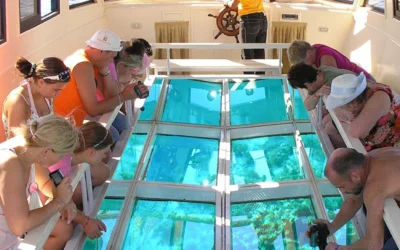
Located near Sharm El Sheikh, Ras Mohammed National Park is Egypt’s first and most famous national park. It’s a diving paradise with world-renowned coral reefs, colorful fish, and crystal-clear waters. The underwater biodiversity here is unmatched in the region, making it one of the top reasons to explore national parks in Egypt.
Adventurers can combine their visit to Ras Mohammed with other Red Sea wonders, such as The Blue Hole Of Dahab or the Colored Canyon, for a complete marine and desert experience.
Wadi El Gemal National Park – The Valley of the Camels
Wadi El Gemal National Park in the Eastern Desert near Marsa Alam is a hidden gem known for its balance of desert and sea life. Here, visitors can witness migrating birds, ancient Roman ruins, and Bedouin communities who maintain their traditional lifestyle. The park’s coral reefs and seagrass meadows attract divers and nature enthusiasts looking for a tranquil yet adventurous escape.
Wadi El Rayan – Egypt’s Desert Oasis
Found near Fayoum City, Wadi El Rayan is a desert depression that has turned into an oasis with freshwater lakes and Egypt’s only waterfalls. The area is ideal for eco-tourism, birdwatching, and photography. Its nearby sites, including Wadi Al Hitan, or the “Valley of Whales,” feature fossils that tell the story of early whale evolution — a UNESCO World Heritage Site not to be missed.
Gebel Elba National Park – The Untouched Wilderness
The remote Gebel Elba National Park in southeastern Egypt is a biodiversity haven. Its towering mountain, lush vegetation, and unique microclimate support species found nowhere else in the country. This park remains one of Egypt’s least explored areas, offering pristine landscapes for those seeking off-the-beaten-path experiences.
White Desert National Park – Egypt’s Surreal Landscape
The White Desert Egypt is one of the most iconic protected areas in the world. Its chalky formations, sculpted by wind and time, create an alien-like environment that is best explored under the moonlight. Many travelers pair their visit with the Bahariya Oasis Egypt or the mystical Valley Of Agabat for an unforgettable desert expedition. Spending a night here under the stars is an essential part of an Egypt eco-adventure.
Desire: The Emotional Allure of Egypt’s Protected Nature
Exploring national parks in Egypt isn’t just about seeing beautiful landscapes — it’s about feeling a connection to ancient nature. The country’s environment has shaped civilizations, inspired mythology, and preserved the essence of harmony between people and land. Whether you’re trekking across the dunes of the Great Sand Sea or floating in the crystal waters near Red Sea & Sinai, Egypt’s natural parks offer serenity and spiritual renewal.
Eco-conscious travelers often choose programs like Eco Tours In Egypt to explore these pristine environments responsibly while supporting local communities. Such tours often include visits to oases, national reserves, and marine sanctuaries that showcase Egypt’s ecological diversity beyond its monuments.
Action: How to Experience Egypt’s Natural Wonders
To make the most out of your visit, it’s best to plan your journey strategically. Consider booking through expert-curated itineraries like the best Egypt itinerary or immersive Egypt Vacation Packages that include eco-destinations and outdoor adventures. These packages ensure a balance between cultural immersion and natural exploration.
If you prefer a personalized experience, a private guided tour of Egypt can be customized to include desert safaris, scuba diving, and national park excursions. For families, the best Egypt tour for families often includes nature activities suitable for all ages, such as wildlife viewing and eco-friendly camping.
Adventure seekers can elevate their experience with a journey through the Red Sea coast, exploring sites like Blue Lagoon Dahab or Sahl Hasheesh. Meanwhile, cultural enthusiasts can enrich their trip with visits to ancient monuments after a day in the wild — for instance, combining a desert tour with a cruise such as the Egypt tour with Nile cruise.
Responsible Travel Tips
When exploring national parks, it’s crucial to respect the environment: avoid littering, stay on designated paths, and support local guides who practice sustainable tourism. Egypt’s national parks are delicate ecosystems, and every traveler plays a role in their preservation.
Conclusion
Egypt’s national parks are an awe-inspiring combination of history, nature, and adventure. They reveal a side of Egypt that few tourists ever see — one filled with coral gardens, endless dunes, and ancient fossils. So, whether you’re an eco-traveler, a cultural enthusiast, or a thrill-seeker, exploring these parks should be on your bucket list. To plan the perfect nature-filled itinerary, explore comprehensive Egypt Tour Packages tailored to your preferences and travel style.
FAQs About Exploring National Parks in Egypt
1. What is the best time to visit Egypt’s national parks?
The ideal time to explore Egypt’s national parks is between October and April when temperatures are mild, making desert trips and snorkeling more comfortable.
2. Do I need a guide to visit the national parks in Egypt?
While some parks allow independent entry, hiring a local guide or joining an eco-tour in Egypt ensures safety and enhances your understanding of the area’s ecology.
3. Are there entrance fees for Egypt’s national parks?
Yes, most parks require a small entrance fee that contributes to conservation efforts. The cost varies depending on the park and activities such as diving or camping.
4. Which national park is best for diving in Egypt?
Ras Mohammed National Park offers the best diving experience with its vibrant coral reefs and exotic marine life.
5. Can I camp in Egypt’s national parks?
Yes, camping is allowed in several parks like the White Desert Egypt and Wadi El Gemal National Park, offering a rare opportunity to sleep under Egypt’s star-filled sky.