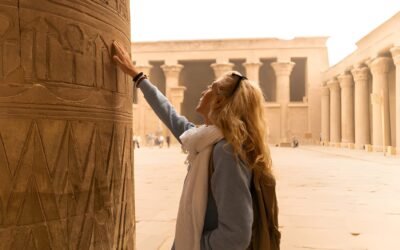
Discover the White Monastery: A Timeless Coptic Treasure in Egypt
Journey into the heart of Upper Egypt to explore one of the most sacred and historically rich Coptic sites — the White Monastery. Located near El Minya and Sohag, this ancient monastic complex, officially known as the Monastery of Saint Shenouda the Archimandrite, has stood for over sixteen centuries as a beacon of spirituality, art, and heritage. If you’re passionate about history, culture, or religious architecture, the White Monastery offers a profound insight into Egypt’s Christian past.
Attention: Why the White Monastery Captivates Travelers
The White Monastery stands out among Egypt’s religious landmarks because of its architectural mastery, historical importance, and spiritual significance. Constructed in the 4th century AD using white limestone blocks — similar to those from ancient pharaonic temples — the structure earned its name and became a symbol of enduring faith. Its immense basilica-style church, intricate carvings, and ancient manuscripts once made it one of the largest monastic communities in Egypt, influencing Christian thought throughout the region.
When you visit the White Monastery, you step into a world where early Coptic traditions coexist with the remnants of ancient Egyptian artistry. This remarkable blend makes it an essential stop for travelers exploring Egypt’s Christian heritage alongside iconic destinations like St. Catherine’s Monastery or Coptic Cairo (Old Cairo).
Interest: The History and Architecture of the White Monastery
The monastery was founded by Saint Shenouda the Archimandrite in the late 4th century CE, one of the most influential figures in early Egyptian monasticism. During his leadership, the community flourished, housing thousands of monks and nuns. The White Monastery became a spiritual, educational, and cultural center — a place where theological texts were written, translated, and preserved.
Architecturally, the monastery’s church resembles a fortress. Its massive limestone walls, dating back to the 5th century, are adorned with faded but still impressive reliefs and inscriptions. Inside, the basilica layout reflects a blend of Roman and Egyptian styles — an expansive nave, side aisles, and an apse with remnants of early Christian frescoes. The church once contained priceless manuscripts now preserved in museums around the world.
Exploring the White Monastery also reveals fascinating connections to other religious and cultural landmarks in Egypt. The design inspiration can be compared to the Red Monastery, located just a few kilometers away. Together, these two monasteries form a unique pair — representing the pinnacle of early Coptic architecture and religious devotion.
Desire: Experiencing the Spiritual Essence of the White Monastery
Visiting the White Monastery is not merely a historical excursion — it’s a journey into Egypt’s soul. The monastery continues to function as an active religious site where monks maintain their ancient traditions of worship and prayer. Pilgrims and visitors who arrive here often speak of the deep serenity that pervades its courtyards, chapels, and prayer halls.
The monastery’s setting adds to this spiritual serenity. The surrounding desert landscape evokes a sense of timelessness, much like the surreal beauty found in the White Desert Egypt or the sacred stillness of Mount Sinai (Jebel Musa). It’s easy to imagine why monks chose this peaceful environment for contemplation and devotion.
For travelers seeking an immersive cultural and spiritual experience, visiting the White Monastery complements other iconic stops like the Hanging Church in Cairo and the Temple of Seti in Abydos. Together, they paint a rich picture of Egypt’s diverse religious history — from ancient deities to Christian saints.
Action: Plan Your Visit to the White Monastery
To reach the White Monastery, visitors usually travel from the city of Sohag, located about 8 kilometers away. The site is accessible via road and can be incorporated into broader itineraries through Upper Egypt. Many travelers combine their visit with nearby sites like the Red Monastery, Abydos, or even plan multi-day journeys with Egypt Vacation Packages that include cultural, historical, and spiritual landmarks.
For a more curated experience, consider joining specialized Cultural Tours Egypt that focus on Coptic and early Christian history. These guided tours often include both the White and Red Monasteries, providing expert insights into their art, inscriptions, and restoration efforts.
Those who desire a deeper exploration of Egypt’s spiritual heartland might also include destinations like Kharga Oasis or Dakhla Oasis, where ancient temples and monasteries continue to whisper tales of Egypt’s past civilizations.
Suggested Itineraries for Visiting the White Monastery
If you’re planning a comprehensive Egypt trip that covers both classic sites and lesser-known gems, consider integrating the White Monastery into one of the following:
- Combine with Luxor and Aswan highlights, such as the Nile River and the Valley Of The Kings.
- Join a longer cultural journey through Upper Egypt with the 14 day Egypt tour.
- Experience both sacred and natural wonders with a Egypt adventure tour that includes historical monasteries and desert landscapes.
- Opt for a personalized visit through a private guided tour of Egypt for exclusive access and tailored itineraries.
- Explore the cultural link between ancient and Coptic Egypt while enjoying the hospitality of Egypt Tour Packages.
Preservation Efforts and Cultural Significance
The White Monastery has survived centuries of environmental challenges and human intervention. Restoration projects led by local and international experts have helped stabilize its structure and preserve its artwork. Modern conservation techniques continue to reveal details about its construction methods, inscriptions, and the daily life of monks who once inhabited it.
Its cultural and historical value extends beyond religion. The White Monastery stands as a testament to Egypt’s enduring diversity. From ancient temples to Coptic churches, from Islamic mosques to Jewish synagogues like the Ben Ezra Synagogue, Egypt showcases millennia of spiritual coexistence and artistic brilliance.
Experience Egypt Beyond the Icons
While sites like the Great Pyramids Of Giza and the Abu Simbel Temples often steal the spotlight, places such as the White Monastery reveal the country’s lesser-known side — its spiritual depth and cultural resilience. Travelers who venture off the main tourist path often describe this experience as transformative, intimate, and unforgettable.
For those who seek unique experiences away from the crowds, the White Monastery embodies the essence of Hidden Gems In Egypt. Its peaceful ambiance, ancient art, and centuries-old devotion invite every visitor to connect with a living piece of history.
FAQs about the White Monastery in Egypt
1. Where is the White Monastery located?
The White Monastery is situated near Sohag in Upper Egypt, approximately 8 kilometers northwest of the city center. It’s often visited alongside the nearby Red Monastery.
2. Who founded the White Monastery?
Saint Shenouda the Archimandrite founded the monastery in the 4th century CE. Under his leadership, it became one of the most influential monastic communities in the Coptic world.
3. What is unique about the architecture of the White Monastery?
The monastery is built from white limestone, giving it its name. Its design combines Roman basilica elements with traditional Egyptian masonry, creating a fortress-like appearance that remains remarkably well-preserved.
4. Can tourists visit the White Monastery today?
Yes. The site welcomes visitors regularly and remains an active place of worship. Guided tours provide valuable insights into its history, art, and restoration.
5. What are other nearby attractions worth visiting?
Travelers often pair the White Monastery with the Red Monastery, and historical treasures in Upper Egypt such as the Temple Of Seti and Dandara Temple.
Exploring the White Monastery isn’t just about witnessing ancient architecture — it’s about connecting with Egypt’s deep spiritual roots. Include it in your next journey to experience the soul of Egypt in its purest form.