Nubian Monuments From Abu Simbel To Philae: The Rescue That Moved Temples
The Nubian Monuments from Abu Simbel to Philae were physically relocated in a massive UNESCO-led rescue operation in the 1960s to save them from flooding caused by the construction of the Aswan High Dam. These ancient temples, now UNESCO World Heritage sites, continue to showcase the grandeur of Egypt’s southern legacy and attract visitors worldwide.
Key Takeaways
- The Nubian Monuments from Abu Simbel to Philae were inscribed as a UNESCO World Heritage Site in 1979.
- The temples were relocated in the 1960s during the construction of the Aswan High Dam to prevent submersion by Lake Nasser.
- Abu Simbel opens daily from 06:00 AM to 05:00 PM, while Philae Temple opens daily from 07:00 AM to 04:00 PM, with slightly reduced summer hours at both sites.
- Mobile phone photography is free of charge at these sites, but commercial filming requires prior permission.
- Ticket prices for foreign visitors at Abu Simbel differ between official sources, so travelers should check before visiting.
The UNESCO Rescue Operation: Saving Nubian Heritage
The construction of the Aswan High Dam in the 1960s threatened to submerge some of Egypt’s most treasured ancient monuments beneath Lake Nasser. Recognizing the imminent danger, UNESCO launched an unprecedented international campaign to save the temples of Nubia. Over 50 countries contributed to the effort, and engineers devised innovative techniques to cut, move, and reassemble massive stone temples on higher ground. This rescue not only preserved the monuments for future generations but also set a global standard for heritage conservation.
For travelers interested in exploring more of Egypt’s ancient wonders, the Monuments & Temples category offers a comprehensive guide to the country’s most iconic sites.
Abu Simbel: Ramses II’s Monumental Legacy
Abu Simbel stands as one of Egypt’s most awe-inspiring archaeological sites. Built by Ramses II in the 13th century BCE, the twin temples are famed for their colossal statues and intricate reliefs. The temples were cut into blocks weighing up to 30 tons each, then painstakingly reassembled 65 meters higher and 200 meters back from the original site. Abu Simbel opens daily from 06:00 AM to 05:00 PM, with summer hours starting at 06:00 am and last entry at 04:00 pm. Ticket prices for foreign adults differ between official sources—EGP 750 (per the Ministry of Tourism and Antiquities) and EGP 822 (per the Ministry’s official ticketing service)—so visitors should confirm the current fee before arrival. Special festival tickets for February 22nd and October 22nd, when sunlight illuminates the temple’s inner sanctum, are EGP 1200 for adults and EGP 600 for students. All prices are in Egyptian Pounds.
For a deeper look at the site’s history and travel tips, read the dedicated guide to Abu Simbel Temples.
Philae Temple: The Sacred Island of Isis
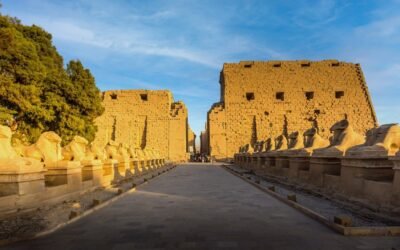
The Temple of Philae, dedicated to the goddess Isis, is renowned for its elegant columns and harmonious setting on Agilkia Island. Originally located on Philae Island, the temple complex was dismantled and rebuilt stone by stone on higher ground. Philae is accessible by boat and is a highlight of any trip to Aswan. The temple opens daily from 07:00 AM to 04:00 PM, with summer hours ending at 03:00 pm. Tickets for foreign adults are EGP 550, and for students, EGP 275. Egyptians pay EGP 40 for adults and EGP 20 for students. Panorama tickets are also available. As with other sites, mobile phone photography is free of charge.
Cruising the Nile is a popular way to reach Philae, and the luxurious Oberoi Philae Nile Cruise offers an unforgettable journey through Egypt’s ancient heart.
Kalabsha, Amada, and More: The Other Rescued Temples
Beyond Abu Simbel and Philae, several other temples were relocated as part of the Nubian Monuments rescue. Kalabsha Temple, a Roman-era structure dedicated to Mandulis, was moved to the shores of Lake Nasser. Amada, the oldest temple in Nubia, and the temples of Derr and Wadi es-Sebua were also saved from the rising waters. Each temple offers unique insights into the religious and artistic diversity of ancient Nubia. Kalabsha Temple’s summer season hours are 07:00 am with last entry at 03:00 pm. Tickets for foreign adults are EGP 200, and for students, EGP 100. Egyptians pay EGP 10 for adults and EGP 5 for students.
Those seeking a comprehensive Egyptian adventure can explore options like the 6 Day Egypt Tour, which includes stops at many of these remarkable sites.
Nubian Museum: Preserving Nubian Culture and History
The Nubian Museum in Aswan is a modern institution dedicated to the history, art, and culture of Nubia. Its galleries showcase artifacts from prehistoric times through the Pharaonic, Greco-Roman, and Islamic periods, as well as ethnographic exhibits on contemporary Nubian life. The museum opens daily from 09:00 AM to 05:00 PM, with summer hours ending at 04:00 pm. Tickets for foreign adults are EGP 400, and for students, EGP 200. Egyptians pay EGP 30 for adults and EGP 10 for students. The museum is an essential stop for understanding the context of the rescued monuments and the people who built them.
For a detailed visitor guide and highlights of its collections, see Nubian Museum Aswan.
Elephantine Island and the Unfinished Obelisk: Aswan’s Ancient Marvels
Elephantine Island, located in the Nile opposite Aswan, was an important trading hub and religious center. Today, visitors can explore the ruins of temples and a Nilometer, an ancient structure used to measure the river’s water level. The island’s summer season hours are 08:00 am, with last entry at 04:00 pm. Tickets for foreign adults are EGP 200 and for students, EGP 100. Egyptians pay EGP 20 for adults and EGP 10 for students. Nearby, the Unfinished Obelisk offers a glimpse into ancient stone-working techniques. Its summer hours are 07:00 am, with last entry at 03:00 pm. Tickets for foreign adults are EGP 220, and for students, EGP 110. Egyptians pay EGP 20 for adults and EGP 10 for students.
Travelers who wish to experience the Nile’s timeless beauty can consider the Akhenaaton Nile Cruise, which visits many of Aswan’s top attractions.
Visiting Nubia: Entry, Tickets, and Practical Tips
All monument ticket prices are in Egyptian Pounds, and payment methods vary by site. At Giza, self-service machines accept bank cards for site tickets, but card acceptance is not guaranteed at every monument. Free entry is offered for children under 6, Egyptian seniors aged 60 and above, Egyptians with special needs, and orphaned children. Students must present a valid ID and be under 24 to qualify for discounted tickets. Mobile phone photography is free at Ministry sites, while commercial filming requires prior permission. Arrive at least one hour before closing time to ensure entry, and note that sites and museums run reduced hours during Ramadan, published per-site on the official ticketing portal.
For those planning a trip that covers Egypt’s highlights, the Egypt Itinerary 6 Days is a convenient option that includes Nubian sites along with other must-see destinations.
When to Visit: Aswan’s Climate and the Best Time for Nubian Monuments
Aswan, the gateway to Nubia, experiences a hot desert climate with distinct seasonal variations. For example, January brings average daily highs of 22.9°C and lows of 8.8°C, while June sees highs of 41.2°C and lows of 26.1°C, per the World Meteorological Organization. The cooler months from November to March are most comfortable for sightseeing, while summer can be extremely hot. Always check the official site for the latest opening hours, as they vary between seasons and may change periodically.
Experiencing Nubia by Nile: Cruises and Cultural Journeys
Exploring the Nubian monuments by Nile cruise is one of the most memorable ways to experience southern Egypt. Cruises offer guided visits to temples and islands, comfortable accommodation, and the chance to witness the dramatic landscapes of Lake Nasser and the Nile Valley. Popular itineraries include stops at Abu Simbel, Philae, Kalabsha, and more, often accompanied by expert Egyptologists. Booking a cruise ensures seamless access to sites and a deeper understanding of Nubia’s unique heritage.
Frequently Asked Questions
-
What are the Nubian Monuments from Abu Simbel to Philae?
The Nubian Monuments from Abu Simbel to Philae are a group of ancient temples and archaeological sites in southern Egypt, relocated to higher ground during the construction of the Aswan High Dam to prevent their submersion by Lake Nasser. -
How were the temples moved during the UNESCO rescue operation?
The temples, including Abu Simbel and Philae, were carefully cut into large blocks, transported, and reassembled on higher ground using advanced engineering methods developed specifically for the rescue operation. -
What are the official ticket prices for Abu Simbel and Philae?
Ticket prices for foreign adults at Abu Simbel differ between official sources, so travelers should check before visiting. Philae Temple’s foreign adult ticket is EGP 550, and EGP 275 for students, with special rates for Egyptians and panorama tickets available. -
Are there any free entry policies for the Nubian monuments?
Yes, free entry is offered for children under 6, Egyptian seniors aged 60 and above, Egyptians with special needs, and orphaned children at Ministry sites, with some exceptions at NMEC on certain days. -
What is the best time of year to visit the Nubian monuments?
The best time to visit the Nubian monuments is during the cooler months from November to March, as summer temperatures in Aswan can exceed 41.0°C. -
Can I take photographs inside the temples?
Mobile phone photography is free of charge at Ministry sites, including Abu Simbel and Philae, but commercial filming or photography requires prior permission from the authorities.