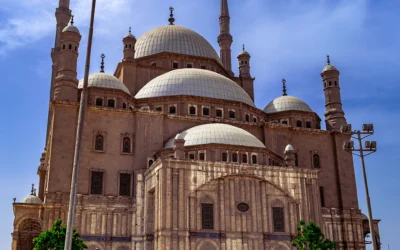
Discover the Timeless Beauty of the Mosque of Ibn Tulun in Cairo
The Mosque of Ibn Tulun stands as a silent witness to Egypt’s rich Islamic heritage and architectural brilliance. Nestled in the heart of Islamic Cairo, this majestic mosque not only showcases the artistic mastery of the 9th century but also holds a significant place in the country’s cultural and religious history. For travelers exploring Egypt’s historical treasures, visiting this site is an unforgettable journey back in time.
Attention: Why the Mosque of Ibn Tulun Matters in Egyptian History
The Mosque of Ibn Tulun is one of the oldest and largest mosques in Cairo that has survived in its original form. Built between 876 and 879 AD by Ahmad Ibn Tulun — the founder of the Tulunid dynasty — the mosque exemplifies the early Islamic architectural style inspired by Abbasid influences from Samarra, Iraq. Its vast courtyard, intricate stucco decorations, and iconic spiral minaret make it a must-see for enthusiasts of art, architecture, and history.
Located near the Citadel of Salah El-Din, the mosque represents the flourishing of Cairo’s early Islamic civilization and stands as a testament to Egypt’s enduring spiritual roots.
Interest: Architectural Wonders of the Mosque of Ibn Tulun
What sets the Mosque of Ibn Tulun apart is its monumental scale and simplicity. The mosque covers over 26,000 square meters, making it one of the largest in the world at the time of its construction. Every corridor, arch, and decorative panel reflects the genius of early Islamic architecture. Its open courtyard invites quiet reflection, while the surrounding arcades provide a serene escape from the bustle of modern Cairo.
The famous spiral minaret, similar to the one at the Great Mosque of Samarra, provides panoramic views of the city. Climbing it is one of the most memorable experiences in Cairo City. The red-brick design, plaster carvings, and geometric motifs found here are trademarks of Abbasid art, making the mosque a perfect destination for cultural travelers and photographers alike.
For those interested in Islamic art, combining this visit with nearby attractions such as the Islamic Art Museum Cairo and the Al Azhar Mosque provides a deeper understanding of Egypt’s rich cultural layers.
The Mosque’s Historical Role in Cairo’s Development
During the Tulunid era, the mosque not only served as a center for religious gatherings but also as a hub for education and governance. It symbolized Egypt’s transition into a more autonomous Islamic state, independent from the Abbasid Caliphate. The adjacent palace complex that once surrounded the mosque served as the administrative capital.
Today, the mosque continues to be a place of worship and an architectural landmark that attracts scholars, historians, and tourists. It remains part of the historical fabric that connects ancient and modern Islamic Cairo.
Desire: Experiencing the Mosque of Ibn Tulun Up Close
To truly appreciate the mosque’s beauty, walk through its wide courtyard and observe how light and shadow play across the arches. The mosque’s mihrab – the prayer niche facing Mecca – is adorned with delicate stucco and Quranic inscriptions, offering an unparalleled sense of tranquility.
Many visitors include the Mosque of Ibn Tulun as part of their broader Egypt travel itinerary. For instance, travelers can explore it along with the El Moez Street and Khan Al-Khalili Cairo for a full-day cultural immersion. Those seeking a guided experience can choose from curated Egypt Tour Packages or tailored Private Egypt Tours that include historical landmarks like this mosque.
If you’re fascinated by religious architecture, add nearby gems like the Al Rifai Mosque and the Sultan Hassan Mosque to your itinerary. Together, they form a magnificent trio of Islamic architecture that defines Cairo’s skyline and spiritual heart.
Best Time and Way to Visit the Mosque of Ibn Tulun
The best time to visit the Mosque of Ibn Tulun is during the cooler months between October and April. Early morning or late afternoon visits allow you to enjoy the peaceful atmosphere and the soft golden light that enhances the mosque’s intricate features.
Visitors can reach the mosque via taxi or guided tour from central Cairo. For convenience, many travelers include it in their custom itineraries such as the 4 day Egypt tour or best Egypt itinerary that covers both ancient and Islamic landmarks.
For a luxurious travel experience, consider adding the mosque to a luxury Egypt tour package or a Egypt tour with Nile cruise. These packages combine cultural exploration with relaxation, allowing you to experience Egypt’s sacred beauty from Cairo to the Nile River.
Action: Plan Your Visit to the Mosque of Ibn Tulun Today
The Mosque of Ibn Tulun is not just a monument – it’s an experience that connects travelers to the essence of Islamic Egypt. Whether you’re an architecture lover, a history buff, or simply seeking a peaceful retreat, this site offers an escape into a world of devotion, art, and history.
To make the most of your trip, combine your visit to the mosque with tours of the The National Museum Of Egyptian Civilization and Coptic Cairo (Old Cairo) for a complete perspective on Cairo’s cultural diversity. For a memorable journey, explore curated itineraries like the Egypt itinerary 8 days with Nile cruise or enjoy a Egypt family vacation tour that adds comfort and cultural immersion to your adventure.
Book your journey through trusted local experts who specialize in authentic Egyptian experiences. Explore more with Egypt Tour Packages that help you uncover the hidden gems of Cairo and beyond, from the The Grand Egyptian Museum to the Abdeen Palace.
Frequently Asked Questions About the Mosque of Ibn Tulun
1. Where is the Mosque of Ibn Tulun located?
The Mosque of Ibn Tulun is located in the Sayyida Zeinab district of Islamic Cairo, near the Citadel Of Salah El-Din. It’s easily accessible by car or taxi from most parts of Cairo.
2. Who built the Mosque of Ibn Tulun and why?
It was commissioned by Ahmad Ibn Tulun, the ruler of Egypt under the Abbasid Caliphate, to serve as a central mosque and symbolize his authority and independence. The design reflects both religious devotion and political power.
3. What is unique about the architecture of the mosque?
The mosque features an open courtyard, pointed arches, carved stucco decorations, and a distinctive spiral minaret that echoes the style of early Islamic architecture. Its vast scale and symmetrical design make it stand out among Cairo’s mosques.
4. Can visitors climb the minaret?
Yes, visitors can climb the spiral staircase of the minaret for panoramic views of Cairo. The experience offers an excellent vantage point for photography and a sense of historical awe.
5. What other attractions are near the Mosque of Ibn Tulun?
Nearby attractions include the Al Azhar Park, The Egyptian Museum Of Cairo, and the bustling Khan Al-Khalili Cairo bazaar, making the area a rich blend of history, art, and culture.