Medinet Habu: The Luxor Temple Most Day Tours Skip
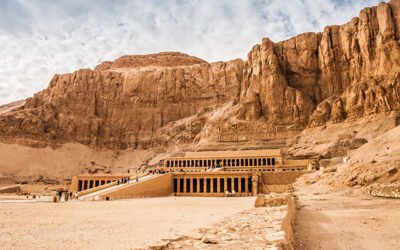
Medinet Habu, the mortuary temple of Ramses III on Luxor’s West Bank, is one of Egypt’s most spectacular ancient sites, yet it is often overlooked by day tours in favor of more crowded attractions. For travelers seeking vivid reliefs, grand architecture, and a peaceful atmosphere, Medinet Habu offers a rewarding, less-traveled experience.
Key Takeaways
- Medinet Habu’s official summer hours are 06:00 am, last entry 05:00 pm; winter hours are 06:00 am, last entry 04:00 pm.
- General admission for foreign adults is EGP 220, and for students EGP 110, with all prices in Egyptian Pounds.
- Photography with a mobile phone is free of charge at Medinet Habu, as at all Ministry sites.
- The site is less crowded than Luxor Temple or Karnak, offering a more tranquil visit.
- Free entry is available for children under 6, Egyptian seniors 60+, Egyptians with special needs, and orphaned children.
Why Medinet Habu Stands Apart in Luxor
Medinet Habu, formally known as the Mortuary Temple of Ramses III, is a massive complex on Luxor’s West Bank. Unlike the bustling Karnak and Luxor Temple, Medinet Habu is rarely crowded, making it a hidden gem for those who want to experience ancient Egypt in relative peace. Its remarkably well-preserved reliefs, towering pylons, and historical significance make it essential for travelers interested in the New Kingdom era.
For those passionate about ancient monuments, the site is a highlight within the broader array of Monuments & Temples that Luxor offers. Medinet Habu’s unique combination of artistry, history, and serenity sets it apart from other temples in the region.
Historical Significance: Ramses III’s Legacy
Medinet Habu was constructed as the mortuary temple for Ramses III, one of Egypt’s last great pharaohs. The complex is renowned for its detailed inscriptions and reliefs, many of which depict Ramses III’s battles against the Sea Peoples and Libyans. These scenes are among the most vivid and informative in Egypt, providing insight into ancient warfare and royal propaganda.
The temple’s massive mudbrick enclosure walls, ceremonial gateways, and columned halls reflect the grandeur of New Kingdom architecture. Medinet Habu also served as an administrative center and fortress, playing a key role in local governance during Ramses III’s reign. For a deeper exploration of its history and highlights, see this dedicated guide to the Medinet Habu Temple.
Visitor Experience: What to Expect
Arriving at Medinet Habu, visitors are greeted by a monumental first pylon adorned with battle scenes. Inside, the main temple complex features vast courtyards, hypostyle halls, and sanctuaries. The reliefs, still bearing traces of original color, are among the best preserved in Egypt. The site is quiet, with far fewer tour groups than at other major temples, allowing for a contemplative experience.
Official summer opening hours are 06:00 am, last entry 05:00 pm, while winter hours are 06:00 am, last entry 04:00 pm. Per the Ministry of Tourism and Antiquities, it’s recommended to arrive at least one hour before closing. All ticket prices are in Egyptian Pounds, and mobile phone photography is free of charge. For those planning a tailored itinerary, Medinet Habu is a highlight of any Private Egypt Trip.
Ticket Prices and Entry Rules
Ticketing at Medinet Habu is straightforward. The general admission ticket for foreign adults is EGP 220, and for foreign students with valid ID and age not exceeding 24, it is EGP 110. Egyptian adults pay EGP 20, and Egyptian students EGP 10. Children under 6, Egyptian seniors 60+, Egyptians with special needs, and orphaned children are eligible for free entry. All ticket prices are stated in Egyptian Pounds. Card payment is not guaranteed at every site, so bringing cash is advisable.
For those seeking a seamless travel experience, consider a comprehensive Egypt Private Tour Package that includes expert guidance and hassle-free logistics.
Comparing Medinet Habu to Luxor’s Other Temples
| Temple | Foreign Adult Ticket (EGP) | Opening Hours (Summer) | Crowd Level |
|---|---|---|---|
| Medinet Habu | 220 | 06:00 am, last entry 05:00 pm | Low |
| Karnak | 600 | 06:00 am, last entry 04:00 pm | Very High |
| Luxor Temple | 500 | 06:00 am, last entry 07:00 pm | High |
| Hatshepsut Temple | Published figures differ | 06:00 am, last entry 05:00 pm | High |
Medinet Habu’s lower ticket price and crowd-free ambiance make it especially appealing. Travelers on a 4 Day Nile Cruise Aswan to Luxor often prioritize Karnak and Luxor Temple, but adding Medinet Habu brings a richer, more balanced view of ancient Thebes.
How to Get There: Practical Transport Tips
Medinet Habu is located on the West Bank of Luxor, a short drive from the ferry landing. Taxis are readily available, and many visitors combine a trip to Medinet Habu with other West Bank sites such as the Valley of the Kings or Hatshepsut’s Temple. Independent travelers can hire a driver for the day or negotiate a round-trip fare from the East Bank.
If you are traveling as part of a small group, a Dahabiya Nile Cruise Aswan to Luxor offers a more personalized approach, with options to customize your shore excursions and spend more time at less-visited temples like Medinet Habu. The Meroe Dahabiya is another small-boat option that begins its voyage in Aswan.
Best Time to Visit Medinet Habu
Luxor’s climate is hot and dry, with July seeing average daily highs of 41.4°C and lows of 24.7°C, per the World Meteorological Organization. The best months to visit are from November to March, when temperatures are milder—November averages 29.0°C high and 12.3°C low. Early morning visits are ideal to avoid both heat and crowds. Ramadan brings reduced opening hours, published per site on the Ministry’s ticketing portal, so check ahead if visiting during this period. Official fees and hours are revised periodically, so always confirm before your visit.
What to See: Highlights of the Temple Complex
The main attractions at Medinet Habu include the imposing first pylon, the open forecourt with colossal statues, and the hypostyle hall decorated with battle scenes and religious iconography. The reliefs here are famous for their depth and the preservation of original pigments. Don’t miss the smaller chapels and shrines within the complex, which reveal layers of reuse and adaptation over centuries. The temple’s outer walls, with their massive mudbrick fortifications, provide a glimpse into its dual role as a sacred and defensive structure.
While Medinet Habu is a standout on its own, it pairs well with other West Bank sites. For a broader context of Luxor’s ancient wonders, read about Luxor Temple and its role in the religious life of ancient Thebes.
Combining Medinet Habu with Other Luxor Experiences
Medinet Habu is easily combined with visits to the Valley of the Kings, Valley of the Queens, and the Ramesseum. Many tour packages and Nile cruises offer flexible itineraries that include these sites. For travelers who want to see the best of Luxor without the crowds, Medinet Habu is a must. Whether you’re joining a group or planning independently, including Medinet Habu ensures a more comprehensive understanding of ancient Egyptian civilization.
Explore the full range of options for discovering Luxor’s treasures with a curated Egypt Private Tour Package or by browsing the latest itineraries in Monuments & Temples.
Frequently Asked Questions
-
What are the official opening hours of Medinet Habu?
Medinet Habu’s summer hours are 06:00 am with last entry at 05:00 pm; winter hours are 06:00 am with last entry at 04:00 pm, per the Ministry’s official ticketing service.
-
How much does it cost to visit Medinet Habu?
General admission for foreign adults is EGP 220, and for foreign students with valid ID and age not exceeding 24, it is EGP 110. Egyptian adults pay EGP 20, and Egyptian students EGP 10. All prices are in Egyptian Pounds.
-
Is photography allowed at Medinet Habu?
Photography with a mobile phone is free of charge at Medinet Habu, as stated by the Ministry’s official ticketing service. Commercial filming requires prior permission.
-
Who is eligible for free entry at Medinet Habu?
Free entry is granted to children under 6, Egyptian seniors 60+, Egyptians with special needs, and orphaned children, per the Ministry of Tourism and Antiquities.
-
Are card payments accepted at Medinet Habu?
Card payment is not guaranteed at every site, so visitors should bring Egyptian Pounds in cash for ticket purchases at Medinet Habu.
-
How does Medinet Habu compare to other Luxor temples?
Medinet Habu is less crowded than Karnak or Luxor Temple, has a lower ticket price, and features exceptionally well-preserved reliefs and architecture, offering a more tranquil and immersive experience.