Hiking the Sinai Trail: A Guide for American Trekkers
The Sinai Trail is a long-distance walking route through the mountains of South Sinai, built around Bedouin communities, desert valleys and the high peaks near Saint Catherine. American trekkers should plan on guided, community-run hiking, because local Bedouin guides are central to how the route works. The best months are spring and autumn, when daytime heat is manageable.
Key Takeaways
- The Sinai Trail runs through South Sinai’s high mountains and is walked with local Bedouin guides, who know the water sources, camps and passes.
- Sharm El-Sheikh’s average daily high is 25.8 degC in March and 30.1 degC in April, versus 38.8 degC in August, so spring and autumn are far kinder than midsummer.
- Sharm El-Sheikh’s average daily low in January is 13.5 degC, so winter nights in the mountains call for a proper sleeping layer.
- The Sharm El-Sheikh Museum charges foreign adults EGP 200 and foreign students EGP 100, per the Ministry’s official ticketing service.
- Student tickets at Ministry sites require a valid student ID and an age not exceeding 24.
What the Sinai Trail Actually Is
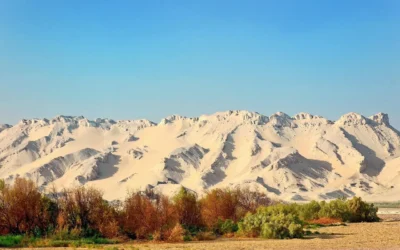
The Sinai Trail is a trekking route across South Sinai that links mountain wadis (dry riverbeds), granite ridges, oases and Bedouin settlements. It is not a single marked footpath like the Appalachian Trail. Rather, it is a network of traditional walking routes that Bedouin communities have used for generations, stitched into a continuous journey with local guides at the center. Walkers move between camps, gardens and rock shelters, usually carrying only a daypack while camels or vehicles move the heavier gear.
For Americans used to self-supported hiking, this is the key mental shift. The route is walked with the community, not simply through it. Guides read the terrain, arrange water, cook meals over fire and decide when weather or conditions make a section unwise. That arrangement is also what keeps the economic benefit of trekking in local hands.
Why You Should Go With a Bedouin Guide
Bedouin are the Arab desert-dwelling communities who have lived in Sinai for centuries, and the Jebaliya, Mzeina and other tribes know this landscape in a way no map or app can replicate. A guide knows which wells hold water in a dry year, which passes are safe after a flash flood and where to camp out of the wind. Navigation here is genuinely difficult: wadis branch repeatedly, cairns are sparse and mobile signal disappears in the valleys.
Hiring locally also matters ethically. Trekking income supports families whose traditional livelihoods have been squeezed. Expect to agree on routes, duration, food and camel support in advance, and ask plainly what is included. Unaccompanied hiking in the interior is strongly discouraged, and some areas require permits or an escort, so confirm current rules with a reputable operator before you arrive.
The Best Time of Year to Trek
Temperature is the deciding factor. The World Meteorological Organization figures for Sharm El-Sheikh, on the southern tip of the peninsula, show the seasonal swing clearly. March averages a daily high of 25.8 degC and a low of 16.6 degC, while April reaches 30.1 degC high and 20.3 degC low. By August the average high is 38.8 degC and the low 28.3 degC, which is punishing for sustained walking.
Autumn is equally pleasant: October averages 31.9 degC high and 23.5 degC low, and November 27.3 degC high and 19.0 degC low. Winter is cool and clear, with January at 21.9 degC high and 13.5 degC low. Note that these are coastal readings; the high mountains around Saint Catherine are cooler, and nights there can be cold enough to need a warm layer even when days feel mild.
| Month | Average daily high | Average daily low |
|---|---|---|
| January | 21.9 degC | 13.5 degC |
| March | 25.8 degC | 16.6 degC |
| April | 30.1 degC | 20.3 degC |
| October | 31.9 degC | 23.5 degC |
| November | 27.3 degC | 19.0 degC |
| August | 38.8 degC | 28.3 degC |
Getting There From the United States
Most American trekkers fly into Cairo, then continue to Sharm El-Sheikh by domestic flight or travel overland toward Saint Catherine. Sharm El-Sheikh is the usual gateway for the southern peninsula, and from there it is a road transfer into the mountains. Build a day of buffer on each end to absorb jet lag and any schedule changes.
Visa and entry requirements change, so confirm them on the official Egyptian government channels and with your airline before booking rather than relying on a blog post. The same applies to any special arrangements for entering South Sinai: ask your operator what documentation they need from you and when. Do not assume the rules are the same as on a previous trip.
Mount Sinai and Saint Catherine
The most famous stop on any South Sinai itinerary is Mount Sinai, known locally as Jebel Musa, the peak traditionally associated with Moses receiving the Ten Commandments. Many trekkers climb it at night to reach the summit before sunrise, then descend past Saint Catherine’s Monastery at the foot of the mountain. If this is the highlight of your trip, our guide to Mount Sinai and Jebel Musa covers the routes up and what to expect on the climb.
The ascent is steep and cold before dawn, so carry a headlamp, a warm jacket and plenty of water. Saint Catherine’s Monastery is among the oldest continuously inhabited Christian monasteries in the world; check its visiting hours and dress code in advance, as these are set by the monastery itself and not published in any figures we can quote here.
What to Pack for the Trail
Pack for big temperature swings between day and night. Broken-in trail shoes with good grip matter more than anything else, because the terrain is rocky and uneven. Bring a wide-brimmed hat, sunglasses, high-SPF sunscreen and a lightweight long-sleeved layer for sun protection. A warm fleece and a proper sleeping bag rating suit the cold mountain nights, since lows in January average 13.5 degC even at the coast.
- Headlamp with spare batteries for pre-dawn summit climbs
- Water bottles or a hydration bladder with enough capacity for long dry stretches
- Electrolyte tablets and a basic first-aid kit with blister care
- Modest clothing covering shoulders and knees for Bedouin settlements and the monastery
- A portable charger, since there is no power in the field
Many operators supply tents, bedding and meals, but confirm exactly what is provided so you do not carry duplicates.
Combining the Trail With the Red Sea Coast
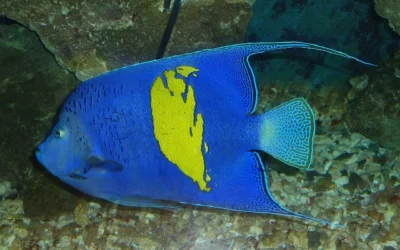
Many Americans pair a few days of trekking with beach time, which suits a two-week itinerary well. Sharm El-Sheikh and the surrounding coast offer snorkeling and diving that makes a restful contrast to the mountains. Our overview of the Egyptian Red Sea explains how the resorts and reefs are laid out and which areas suit which kind of traveler.
If you have a rest day, the Sharm El-Sheikh Museum is a quick cultural stop. Per the Ministry’s official ticketing service, foreign adults pay EGP 200 and foreign students EGP 100, while Egyptian adults pay EGP 40 and Egyptian students EGP 20. In the summer season it opens at 10:00 am with last entry at 12:00 pm, and in the Ramadan season it opens at 10:00 am with last entry at 01:00 pm. Student tickets require a valid ID and an age not exceeding 24.
Practical Rules and Etiquette
Ministry sites generally allow photography with a mobile phone free of charge, per the Ministry’s official ticketing service, though commercial or professional filming needs prior permission. Ministry sites suggest arriving at least one hour before closing, which is sound advice for any time-limited visit. All monument ticket prices are quoted in Egyptian Pounds, so carry local cash for small purchases in the field, where cards are rarely accepted.
Official fees and hours are revised periodically, so confirm figures with the relevant site before you travel. On the trail itself, ask before photographing people, especially women, and accept tea when it is offered, since refusing can read as discourteous. Leave no litter, and carry out what you carry in.
Building the Trek Into a Wider Egypt Trip
Few Americans fly to Egypt for the mountains alone, and the trail slots well into a longer itinerary. A common pattern is Cairo and the pyramids first, a Nile cruise or Luxor leg, then a closing stretch in Sinai or on the Red Sea. If you would rather have the logistics handled end to end, a structured option like the private guided tour of Egypt can anchor the classic sites, leaving you to add a trekking extension.
Whichever way you build it, book the trekking portion with an operator who works directly with Bedouin guides and will confirm permits, water logistics and emergency procedures in writing. Share your itinerary and insurance details with someone at home.
Frequently Asked Questions
When is the best time to hike the Sinai Trail?
Spring and autumn are the best seasons. Sharm El-Sheikh averages a daily high of 25.8 degC in March and 27.3 degC in November, compared with 38.8 degC in August, so midsummer is best avoided for sustained walking.
Do I need a guide to hike in South Sinai?
Yes, a local Bedouin guide is strongly recommended and is central to how the Sinai Trail works. Guides know water sources, safe passes and camps, and navigation in the interior is difficult without them. Confirm current permit and escort rules with a reputable operator.
How cold does it get at night?
Nights can be cold, especially in the mountains. Even at Sharm El-Sheikh the January average daily low is 13.5 degC, and the high mountains near Saint Catherine are cooler, so pack a warm layer and a suitable sleeping bag.
Can I use a credit card on the trail?
Do not count on it. Cards are rarely accepted in remote areas, so carry Egyptian Pounds in cash. Monument ticket prices on Ministry sites are quoted in Egyptian Pounds, and card acceptance at monuments is not guaranteed at every site.
Is the Sharm El-Sheikh Museum worth a stop?
It makes a short cultural break between trekking and beach days. Foreign adults pay EGP 200 and foreign students EGP 100, per the Ministry’s official ticketing service, and student tickets need a valid ID with an age not exceeding 24.
Can I take photos on Ministry-run sites?
Photography with a mobile phone is free of charge at Ministry sites, per the Ministry’s official ticketing service. Commercial, TV or cinema filming needs prior permission, and some venues set their own rules, so check before you shoot.