Hieroglyphics vs Petroglyph: Understanding Ancient Symbols of Human Expression
Throughout history, humans have found ways to record their thoughts, experiences, and beliefs. Two of the most remarkable forms of this expression are hieroglyphics and petroglyphs. While both represent ancient communication methods, they differ in purpose, technique, and cultural context. To understand these symbols is to gain insight into the minds of our ancestors, especially those who lived along the majestic The Nile River in ancient Egypt.
Attention: Why Hieroglyphics and Petroglyphs Fascinate Modern Explorers
When travelers visit Egypt and encounter ancient carvings, they often wonder whether they are looking at hieroglyphics or petroglyphs. The intricate imagery carved into temple walls or rocks in desert landscapes tells stories of gods, kings, and daily life. For those embarking on Ancient Egypt Tours, understanding these two forms of ancient art adds depth to the experience. These symbols are more than art—they are the earliest form of written history.
Hieroglyphics were the writing system of ancient Egypt, developed around 3100 BCE. Petroglyphs, on the other hand, are carved or scratched images on rock surfaces found in various cultures, from the deserts of Egypt to caves in Europe and the Americas. Both reflect humanity’s innate desire to communicate and preserve stories for future generations.
Interest: What Are Hieroglyphics?
Hieroglyphics were a sophisticated language system consisting of pictorial symbols representing words, sounds, or ideas. Ancient Egyptians used them on temple walls, tombs, papyrus scrolls, and statues. When you explore monuments like the The Great Pyramids Of Giza or the Temple Of Philae, hieroglyphics appear as elaborate engravings narrating the deeds of pharaohs and the will of the gods.
This script was both sacred and functional. It communicated religious texts, royal decrees, and historical records. Hieroglyphics required years of training to master, making scribes highly respected in Egyptian society. The beauty of this writing system still fascinates modern audiences—so much so that many visitors enjoy activities like Write Your Name In Hieroglyphics to feel connected to the ancient world.
Interest: What Are Petroglyphs?
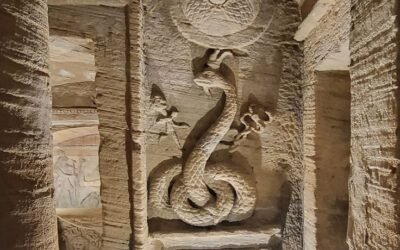
Petroglyphs are rock carvings made by chiseling, hammering, or etching into stone surfaces. Unlike hieroglyphics, petroglyphs were not usually part of a structured writing system. Instead, they served as symbolic or ritualistic expressions. They can be found in desert regions, caves, and mountains across the world—including Egypt’s Sahara and the Sinai Peninsula.
Examples of Egyptian petroglyphs date back to pre-dynastic times, long before the first pharaohs. Carved images of animals, hunting scenes, and abstract shapes recorded daily life and spiritual beliefs. Some of these carvings, located near places like the Wadi Al Hitan or the White Desert Egypt, provide valuable clues about how ancient communities adapted to changing climates and environments.
Desire: Comparing Hieroglyphics vs Petroglyphs
1. Purpose and Function
Hieroglyphics served as a formal writing system used by scribes for administrative, religious, and literary purposes. They were the language of temples and pharaohs. Petroglyphs, however, were more universal, representing personal or tribal expressions, spiritual rituals, or maps.
2. Technique
Hieroglyphics were often painted or carved using precise tools, while petroglyphs were created through chiseling or pecking techniques. You can see beautifully preserved hieroglyphs at the Luxor Temple and the Karnak Temple, while ancient petroglyphs may be found in remote areas like Siwa Oasis.
3. Material and Location
Hieroglyphics appear on limestone walls, obelisks, and papyrus manuscripts, whereas petroglyphs are etched into natural rock formations. This difference reflects each culture’s access to materials and their intended message’s permanence.
4. Symbolism and Meaning
Hieroglyphics often depict gods, pharaohs, and cosmic symbols, connecting humans to divine forces. Petroglyphs are more abstract, frequently showing animals, hunting scenes, or geometric motifs that may have served as tribal identifiers or spiritual emblems.
Desire: Discovering Both Forms on an Egyptian Journey
Travelers fascinated by ancient symbols can explore hieroglyphics in places like the The Valley Of The Kings or the Tomb Of Nefertari, where stunning inscriptions tell stories of life after death. In contrast, the petroglyphs found in desert oases and national parks reflect Egypt’s prehistoric roots long before its dynastic period.
For those who wish to explore deeper connections between art, history, and nature, joining an Egypt adventure tour can provide access to remote archaeological sites. Visitors can also opt for a Best Nile River Cruises to journey through the cradle of Egyptian civilization, where each temple and tomb reveals another layer of symbolic storytelling.
Action: Experience Egypt’s Ancient Symbols Yourself
Understanding hieroglyphics vs petroglyphs is more than a historical exercise—it’s an invitation to connect with humanity’s earliest expressions of thought. Whether you walk through the corridors of the The Egyptian Museum Of Cairo or marvel at the carvings of the Abu Simbel Temples, you are witnessing thousands of years of creativity and communication.
Plan your journey through history with customized Egypt Vacation Packages that include visits to iconic archaeological landmarks and hidden desert treasures. For a touch of luxury, consider the luxury Egypt tour package where expert guides can decode the mysteries behind ancient writings and carvings. Egypt is not just a destination—it is a living museum where every stone tells a story.
FAQs About Hieroglyphics vs Petroglyphs
1. Are hieroglyphics and petroglyphs the same thing?
No, hieroglyphics are a structured writing system used mainly in ancient Egypt, while petroglyphs are rock carvings that appear in many ancient cultures around the world.
2. Where can I see hieroglyphics in Egypt?
You can view magnificent hieroglyphics at temples in Luxor City, including the Ramesseum Temple and the The Temple Of Seti, as well as inside tombs in the Valley Of The Queens.
3. How old are the petroglyphs in Egypt?
Egyptian petroglyphs are among the oldest in the world, with some dating back over 10,000 years to prehistoric times before the rise of the pharaohs.
4. What tools did ancient people use to make petroglyphs?
They used stone chisels, metal tools, or harder rocks to peck, carve, or scratch images onto rock surfaces. This slow process produced enduring artwork visible today in the desert landscapes near Wadi El Rayan.
5. Can I visit both hieroglyphic and petroglyph sites in one trip?
Yes! Many travelers combine cultural exploration with adventure by booking Private Egypt Tours that include temples along the Nile and desert excursions to areas rich with ancient rock carvings.