Egypt For American Students: Study Abroad And Summer Programs
American students can experience Egypt through a variety of study abroad and summer programs, gaining firsthand exposure to its ancient history, vibrant culture, and modern society. Programs range from language immersion and archaeology to cultural exchange and academic research, with many tailored specifically for students aged 18–24. Entry to museums and monuments often includes student discounts, and mobile phone photography is free at Ministry sites.
Key Takeaways
- Egypt offers student discounts at most monuments for those under 24 with valid student ID, per the Ministry of Tourism and Antiquities.
- Mobile phone photography is free of charge at Ministry-run sites, making it easy to capture memories of your trip.
- Egypt is home to 7 UNESCO World Heritage sites, providing a rich educational landscape for visiting students.
- All monument ticket prices are in Egyptian Pounds (EGP); card payment is available at Giza’s self-service machines.
- Arrive at least one hour before closing time at museums and monuments for a smooth visit.
Why Egypt Appeals to American Students
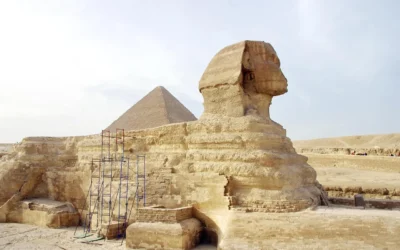
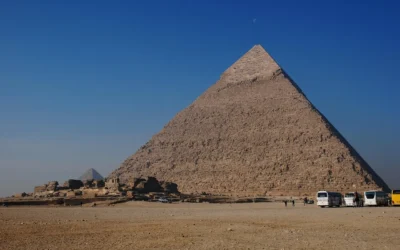
Egypt captivates American students with its unique combination of ancient wonders and dynamic contemporary life. The country’s seven UNESCO World Heritage sites, including the Giza Pyramids, Luxor’s Valley of the Kings, and historic Islamic Cairo, offer unparalleled opportunities for immersive learning. Students can explore millennia-old monuments, participate in archaeological digs, and engage with local communities, all while developing a global perspective. The accessibility of English in academic settings and the welcoming nature of Egyptians further enhance the appeal for American visitors.
Types of Study Abroad Programs in Egypt
Study abroad opportunities in Egypt are diverse, catering to a range of academic interests. Many American universities partner with Egyptian institutions for semester-long programs focused on Middle Eastern studies, Egyptology, Arabic language, and international relations. Short-term summer programs are also popular, often centering on intensive language courses, fieldwork in archaeology, or cultural immersion experiences. These programs typically include guided site visits, lectures by Egyptian scholars, and hands-on activities, providing a comprehensive understanding of Egypt’s history and society.
Summer Programs and Cultural Exchange
Summer programs in Egypt are designed to maximize cultural exchange and experiential learning. Students may participate in archaeological field schools, volunteer projects, or language immersion courses. These programs often include excursions to key sites such as the Pyramids of Giza, the Egyptian Museum, and the temples of Luxor and Aswan. Cultural exchange initiatives pair American students with Egyptian peers, fostering friendships and cross-cultural understanding. For those interested in a broader travel experience, options like Egypt vacation packages can be combined with academic pursuits.
Student Discounts, Entry Rules, and Museum Tips
Visiting Egypt’s monuments and museums as a student comes with several advantages. Per the Ministry of Tourism and Antiquities, students must present a valid ID and their age must not exceed 24 to qualify for discounted tickets at Ministry-run sites. Entry is free for children under 6, Egyptian seniors over 60, Egyptians with special needs, and orphaned children. Mobile phone photography is free of charge, allowing students to document their experiences without extra fees. It is recommended to arrive at least one hour before closing time to ensure entry, and note that all ticket prices are listed in Egyptian Pounds (EGP). Official fees and hours are revised periodically, so check the latest details before visiting.
Living and Studying in Cairo
Cairo, Egypt’s bustling capital, is a hub for international students. Institutions like the American University in Cairo (AUC) offer accredited courses in English, modern facilities, and a vibrant campus life. Students can explore the city’s diverse neighborhoods, sample Egyptian cuisine, and visit world-class museums. Cairo’s strategic location makes it an ideal base for weekend trips to historical sites and the Mediterranean coast. The city’s affordable cost of living, coupled with a wide range of housing options, appeals to students seeking both adventure and comfort during their stay.
Exploring Egypt Beyond the Classroom
Outside of academic commitments, American students can immerse themselves in Egypt’s rich cultural landscape. Popular activities include sailing on the Nile, visiting traditional markets (souks), and attending local festivals. Many programs incorporate travel components, such as a 4-day Nile cruise between Luxor and Aswan, offering a unique perspective on ancient temples and rural life along the river. Adventure seekers can also explore the Red Sea coast for snorkeling and diving, or venture into the Western Desert for an introduction to Egypt’s natural wonders.
Safety, Support, and Practical Considerations
Egyptian universities and program providers prioritize student safety and support. Orientation sessions cover cultural norms, health precautions, and emergency contacts. Most programs offer 24/7 assistance and have protocols in place for medical or security issues. Students are encouraged to respect local customs, dress modestly, and stay informed about current events. The use of self-service machines at Giza for ticket purchases with bank cards adds convenience for international visitors. While Arabic is the national language, English is widely spoken in academic and tourist settings, easing the transition for American students.
Unique Experiences: Archaeology, Language, and Luxury
Egypt’s study programs stand out for their hands-on opportunities in archaeology and cultural research. Students can join supervised excavations, attend workshops on artifact conservation, or participate in language exchanges with Egyptian students. For those seeking an elevated experience, options such as a luxury Egypt tour package or a luxury trip can complement academic pursuits with high-end accommodations, private guides, and exclusive access to sites. These experiences combine learning with comfort, making Egypt an attractive destination for students with varied interests and budgets.
How to Apply: Requirements and Recommendations
Application processes for study abroad and summer programs in Egypt vary by provider but generally require a completed application form, academic transcripts, a statement of purpose, and letters of recommendation. Proof of student status and age (not exceeding 24) is essential for securing student discounts at monuments. Some programs may require a minimum GPA or prior coursework in relevant subjects. Early application is advised due to limited spaces and the need for visa arrangements. For inspiration and insights, students can read about the top reasons American travelers love Egypt.
Travel Logistics: Flights, Accommodation, and Getting Around
Major U.S. cities offer direct and connecting flights to Cairo International Airport, making Egypt accessible for American students. Accommodation options range from university dormitories and student apartments to hotels and hostels. Public transportation in Cairo includes the metro, buses, and ride-sharing services, while trains and domestic flights connect students to other cities. For those interested in exploring southern Egypt, a Lake Nasser cruise offers a scenic route to Nubian monuments and temples. Students should budget for daily expenses in Egyptian Pounds and use official channels for ticket and tour bookings.
Frequently Asked Questions
-
What are the eligibility requirements for student discounts at Egyptian monuments?
To receive student discounts at Ministry-run monuments and museums in Egypt, you must present a valid student ID and be no older than 24 years of age.
-
Is mobile phone photography allowed in Egyptian museums and sites?
Yes, photography with a mobile phone is free of charge at Ministry of Tourism and Antiquities sites. Commercial filming requires prior permission.
-
Which currency is used for monument tickets in Egypt?
All monument ticket prices in Egypt are listed in Egyptian Pounds (EGP), and self-service machines at Giza accept bank cards for site tickets.
-
What should I know about museum opening hours in Egypt?
Egyptian monuments and museums may have reduced hours during Ramadan, published per-site on the ticketing portal. It is recommended to arrive at least one hour before closing time.
-
Are there free entry policies for certain visitors at Egyptian monuments?
Entry is free for children under 6, Egyptian seniors aged 60 and above, Egyptians with special needs, and orphaned children at Ministry-run sites.
-
How many UNESCO World Heritage sites are in Egypt?
Egypt is home to 7 UNESCO World Heritage sites, including the Pyramids of Giza, Historic Cairo, and Abu Mena.