Discovering the Coptic Museum: A Window into Egypt’s Christian Heritage
Hidden in the heart of Coptic Cairo (Old Cairo) lies one of Egypt’s most fascinating cultural treasures — the Coptic Museum. This remarkable institution offers a deep dive into Egypt’s Christian past, preserving the art, history, and spirituality of Coptic civilization. The museum is not just a collection of ancient relics; it’s a living testament to the harmony between Egypt’s diverse religions and heritages. For those seeking an authentic experience beyond the pyramids, the Coptic Museum is a must-visit destination on any Egypt Vacation Packages.
Attention: Why the Coptic Museum Deserves Your Visit
The Coptic Museum is one of the most enriching places to visit in Cairo City. Established in 1908 by Marcus Simaika Pasha, the museum showcases the world’s largest collection of Coptic artifacts. It beautifully illustrates the link between Ancient Egyptian, Greco-Roman, and early Christian art. Within its walls, visitors can trace the journey of Egypt’s Christian community, which blossomed amid centuries of cultural transformation. The Coptic Museum is also conveniently located near other historical gems like the The Hanging Church, Ben Ezra Synagogue, and Abu Serga Church, making it an ideal stop on a cultural exploration of Old Cairo.
Interest: The History and Architecture of the Coptic Museum
The Coptic Museum was founded to preserve Coptic art as part of Egypt’s national heritage. Its architecture seamlessly blends traditional Islamic and Coptic styles, creating a tranquil atmosphere that mirrors Cairo’s multicultural identity. The museum is housed within the walls of the Babylon Fortress Cairo, one of the oldest Roman structures in Egypt. This location is symbolic — it represents the endurance of faith and history through Egypt’s many civilizations.
Inside, you’ll find over 16,000 artifacts, including textiles, manuscripts, wooden carvings, and frescoes. The museum’s layout guides visitors through chronological and thematic galleries, offering insights into how Christianity evolved in Egypt from the 3rd to the 19th centuries. One of the museum’s highlights is its collection of illuminated manuscripts, such as the Psalms of David and the Gospels written in Coptic and Greek, which remain among the most important ancient Christian documents.
Desire: Experiencing the Coptic Museum’s Unique Collections
The Coptic Museum’s collection goes far beyond religious artifacts — it narrates the story of Egyptian resilience and creativity. The textiles section, for instance, displays intricate patterns that merge Egyptian, Greek, and Roman influences. The woodwork exhibits, many of which come from ancient monasteries and churches, reveal a mastery of craftsmanship and symbolism. The museum also features elaborate icons of saints and biblical figures, each reflecting the spiritual and artistic richness of Coptic culture.
Visitors interested in Egypt’s broader religious history can complement their museum visit with nearby landmarks like the Al Azhar Mosque and the Sultan Hassan Mosque, both representing Egypt’s Islamic heritage. A stroll through El Moez Street also reveals the medieval charm of Islamic Cairo, offering a holistic view of the city’s layered history.
For those who wish to explore Egypt’s rich cultural and spiritual sites beyond Cairo, combining a visit to the Coptic Museum with a Best Nile River Cruises offers an extraordinary experience. You can journey from Cairo to Luxor and Aswan, witnessing Egypt’s evolution from pharaonic to Christian and Islamic eras along the Nile’s banks.
Action: Plan Your Visit to the Coptic Museum
The Coptic Museum is open daily and easily accessible from central Cairo. It’s best to visit during the morning hours to enjoy a peaceful atmosphere and fully appreciate the intricate details of its collections. The museum’s proximity to other landmarks like the The National Museum Of Egyptian Civilization allows travelers to create a full-day itinerary exploring Egypt’s diverse historical periods in one area. Visitors can also take guided tours through Egypt tour with Nile cruise options or cultural tours tailored for history enthusiasts.
For travelers who prefer a more structured experience, consider booking a Egypt private tour package that includes stops in Old Cairo, the Coptic Museum, and nearby sites. If you’re traveling with family, a Egypt family tour holidays itinerary can make the visit engaging and educational for children and adults alike. Those seeking a luxurious experience may opt for a luxury Egypt tour package that offers expert guides, private transfers, and exclusive access to historical attractions.
Connecting the Past with the Present
Exploring the Coptic Museum is more than just a tour of ancient artifacts — it’s a journey into the soul of Egypt. The exhibits demonstrate how Christianity adapted within Egyptian culture while preserving its traditions. The museum also enhances visitors’ understanding of the The Journey Of The Holy Family In Egypt, a significant chapter in Christian history that left a lasting spiritual footprint across the country.
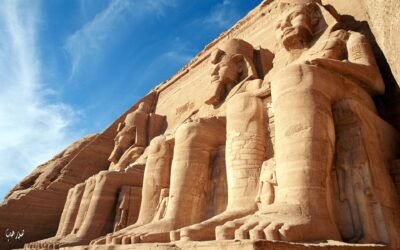
To experience more of Egypt’s timeless wonders, combine your visit with Egypt Tour Packages that explore destinations like Luxor City and Aswan City. Highlights such as the Karnak Temple, Temple Of Philae, and Abu Simbel Temples complete the picture of Egypt’s sacred evolution. A well-planned best Egypt itinerary ensures that every traveler gains a holistic understanding of the country’s remarkable cultural mosaic.
Beyond the Museum: Experiencing Old Cairo’s Spiritual Heart
After touring the Coptic Museum, take time to wander through the narrow alleys of Old Cairo. This area is a peaceful retreat from the city’s bustle, filled with holy sites representing Judaism, Christianity, and Islam. The serene ambiance of the Al Azhar Park offers a beautiful spot to rest, while local cafes and shops provide glimpses of Cairo’s traditional lifestyle. Old Cairo’s timeless charm makes it one of the Hidden Gems In Egypt that every traveler should explore.
Final Thoughts: Why the Coptic Museum is a Must-See
The Coptic Museum is not just a repository of religious history—it’s a bridge connecting Egypt’s ancient roots with its modern identity. By visiting, travelers engage with centuries of art, devotion, and cultural exchange. Whether part of a Ancient Egypt Tours or a customized Private Egypt Tours, this site enriches the understanding of Egypt’s multifaceted heritage. From ancient pharaohs to Coptic saints, the museum’s halls whisper stories that define Egypt’s spiritual resilience.
FAQs about the Coptic Museum
1. Where is the Coptic Museum located?
The Coptic Museum is located in Old Cairo, within the walls of the historic Babylon Fortress Cairo, surrounded by several important Christian and Jewish landmarks.
2. What can I see inside the Coptic Museum?
The museum displays an impressive collection of Coptic art, including manuscripts, textiles, wood carvings, frescoes, icons, and stone reliefs that showcase Christian Egypt’s artistic evolution.
3. How long should I plan to spend at the Coptic Museum?
A typical visit lasts about two hours. However, travelers exploring nearby attractions like the The Hanging Church and Ben Ezra Synagogue may want to plan a half-day trip.
4. Is the Coptic Museum included in most Egypt tours?
Yes, many Egypt Tour Packages include the Coptic Museum as part of their Cairo city itineraries, especially those focusing on religious and cultural landmarks.
5. What is the best time to visit the Coptic Museum?
The best time to visit is during the cooler months from October to April. Morning hours are ideal for exploring in comfort and avoiding crowds.