

How Is The Christmas In Egypt? When you think of Christmas, snowy scenes and decorated trees might come to mind, but in Egypt, Christmas unfolds differently, offering a unique blend of spirituality,...
Blog
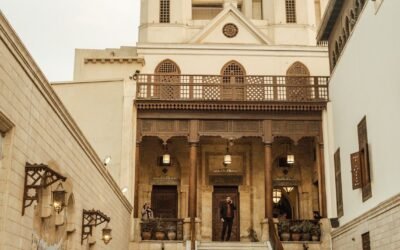
Ancient Egyptian mummification was a seven-step process that took about seventy days, designed to preserve the body so the soul could recognize and return to it in the afterlife. The steps ran from...
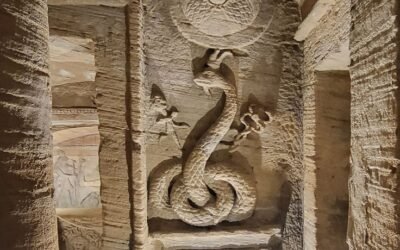
The Anubis symbol is the jackal-headed image of Anubis, the ancient Egyptian god of mummification and the afterlife. It represents protection of the dead, guidance of souls through judgment, and the...

Discover the Coloured Canyon: A Natural Wonder in Egypt’s Sinai Peninsula Hidden within the heart of the Sinai Peninsula lies a breathtaking geological masterpiece — the Coloured Canyon. This...

The Timeless Art of Belly Dance in Egypt Belly dance, known in Arabic as “Raqs Sharqi,” is one of Egypt’s most mesmerizing art forms, captivating audiences with its fluid movements, intricate...
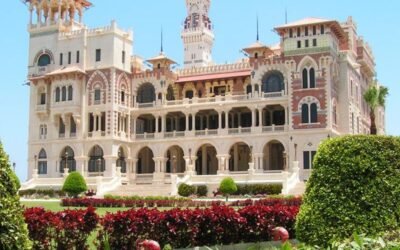
The Statue of Ramses II is a colossal red granite statue of Pharaoh Ramses II, carved during his 19th-Dynasty reign around the 13th century BCE and standing about 10 meters tall without its base....

Education in Ancient Egypt: The Foundation of Knowledge and Civilization Education in Ancient Egypt played a crucial role in shaping one of the world’s most sophisticated civilizations. The...
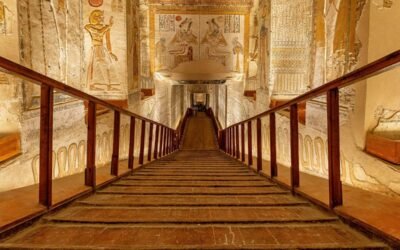
Yes — Egypt permits alcohol, but only in licensed hotels, restaurants, bars, nightclubs, and cruise ships; drinking in public spaces such as streets or beaches is illegal and can lead to fines....
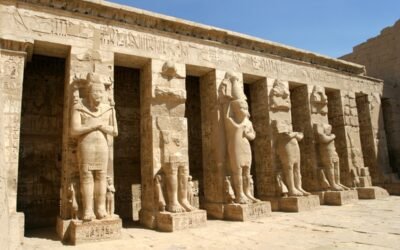
Thutmose III: The Warrior Pharaoh Who Shaped Ancient Egypt’s Empire Thutmose III, often called the “Napoleon of Ancient Egypt,” was one of the most influential pharaohs of the 18th Dynasty. His...