Discover the Majestic Abu Simbel Temples: A Timeless Wonder of Ancient Egypt
Imagine standing before colossal statues carved into sandstone cliffs, gazing at the legacy of a civilization that thrived over 3,000 years ago. The Abu Simbel Temples, located near the southern border of Egypt, are among the most breathtaking monuments of ancient Egyptian architecture. Built by Pharaoh Ramses II, these temples tell stories of power, faith, and monumental artistry. If you’re planning your dream Egyptian vacation, visiting Abu Simbel should be at the top of your bucket list.
Attention: Why Abu Simbel Captures the World’s Imagination
The Abu Simbel Temples draw travelers from across the globe who crave to witness one of Egypt’s most extraordinary feats of engineering. These twin temples, dedicated to Ramses II and Queen Nefertari, were originally constructed in the 13th century BCE. They stand as eternal symbols of divine kingship and devotion. Carved directly into a mountainside, the temples were built to honor the gods Amun, Ra-Horakhty, Ptah, and the deified Ramses himself.
What makes Abu Simbel truly unique is not just its size and artistry, but the story of its preservation. In the 1960s, during the construction of the Aswan High Dam, the temples faced submersion under Lake Nasser. In an extraordinary international effort led by UNESCO, the temples were cut into massive blocks and relocated to higher ground. Today, they remain perfectly aligned with the sun’s rays that illuminate Ramses’ inner sanctuary twice a year — a miraculous engineering achievement that continues to astonish architects and historians alike.
Interest: Step Inside the Ancient Majesty
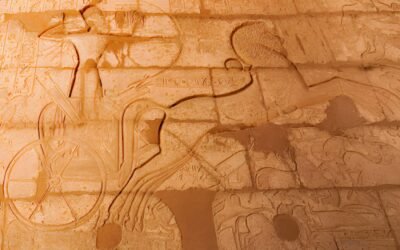
When you enter the Great Temple of Ramses II, you are greeted by towering statues of the pharaoh, each standing about 20 meters tall. The inner chambers reveal intricate carvings depicting Ramses’ military victories, including the famous Battle of Kadesh. The temple’s alignment with the sun on February 22 and October 22 each year highlights the incredible precision of ancient Egyptian architecture.
The smaller temple, dedicated to Queen Nefertari, Ramses’ cherished wife, is equally remarkable. It’s one of the few temples in Egypt where a queen’s image stands equal in size to that of her pharaoh husband. This gesture signified deep reverence and love — a rare honor in ancient Egyptian art.
To truly appreciate these monuments, visitors often combine their tour with a trip to Aswan City or include them as part of a Best Nile River Cruises itinerary. The journey to Abu Simbel itself is an adventure through Egypt’s timeless desert landscapes, offering a glimpse into the country’s ancient soul.
How to Visit Abu Simbel Temples
Most travelers visit Abu Simbel on guided tours from Aswan, located about 280 kilometers to the north. You can reach the site by road, air, or even as part of a Lake Nasser Cruise Egypt. The early morning tours allow you to experience the temples in the soft golden light of dawn — a truly magical scene.
For those seeking comfort and insight, booking a Egypt tour with Nile cruise offers the perfect balance of discovery and relaxation. Many packages also include ancient sites like the Temple of Philae and the High Dam of Egypt, offering a complete Aswan experience.
Desire: Why Abu Simbel Is a Must-See on Every Egypt Itinerary
If your heart beats for ancient history, art, and mystery, then Abu Simbel will exceed your expectations. The temples offer an unforgettable combination of architectural brilliance and spiritual power. For travelers following the best Egypt itinerary, Abu Simbel often serves as the highlight of the southern region.
Many Egypt Tour Packages include Abu Simbel as an optional extension, particularly those focused on Upper Egypt. Whether you choose a short 6 day Egypt tour or an extended 14 day Egypt tour, the temples can easily fit into your itinerary. Adventurous travelers may even explore them as part of an Egypt adventure tour for a more immersive experience.
Luxury seekers can indulge in a luxury Egypt tour package that includes a private visit to Abu Simbel, complete with expert Egyptologists who bring every carving and inscription to life. Those traveling with family can also find specially curated Egypt family tour holidays that make the history of Ramses II and Nefertari exciting for children and adults alike.
Nearby Attractions and Complementary Experiences
While in the Aswan region, don’t miss exploring the Nubian Village, where you can experience vibrant local culture and traditions. Combine your visit with a stop at the Nubian Museum in Aswan for deeper insights into the history of southern Egypt. You can also marvel at other nearby temples like Temple of Kalabsha or explore the serene waters of Lake Nasser In Africa, one of the world’s largest artificial lakes.
For those who prefer an extended Nile journey, consider the Steigenberger Omar El Khayam Lake Cruise or the Movenpick Prince Abbas Lake Cruise, both of which include stops at Abu Simbel and other significant Nubian temples. These luxury cruises allow you to explore Egypt’s southern treasures in comfort.
Action: Plan Your Visit to Abu Simbel Temples Today
Now that you know the magic of the Abu Simbel Temples, it’s time to plan your trip. Choose from curated Egypt Vacation Packages that include expert guides, top accommodations, and seamless travel arrangements. Whether you’re drawn by history, architecture, or simply the thrill of standing before Ramses II’s immortal legacy, Abu Simbel offers a life-changing experience.
No visit to Egypt is complete without seeing this UNESCO World Heritage marvel. Witness how ancient genius met modern preservation to keep these wonders alive for future generations. Add Abu Simbel to your itinerary and let Egypt’s timeless spirit awaken your sense of wonder.
Frequently Asked Questions About Abu Simbel Temples
1. Who built the Abu Simbel Temples?
Pharaoh Ramses II commissioned the Abu Simbel Temples during the 13th century BCE. They were constructed to honor the gods and celebrate his reign and victories, especially the Battle of Kadesh.
2. How were the Abu Simbel Temples relocated?
In the 1960s, the temples were cut into large blocks and moved to higher ground to protect them from flooding caused by the creation of Lake Nasser. This massive relocation was part of an international UNESCO project.
3. When is the best time to visit Abu Simbel?
The best time to visit is during the cooler months from October to April. Visiting early in the morning or during the sun alignment festivals in February and October offers a unique experience.
4. How do I get to Abu Simbel from Aswan?
Most travelers take a guided road trip or a short flight from Aswan. Others prefer a Lake Nasser Cruise Egypt, which includes Abu Simbel as a stop.
5. What other attractions can I visit near Abu Simbel?
Nearby attractions include the Temple of Philae, the High Dam of Egypt, and the Nubian Village. These sites provide a complete cultural and historical experience of Aswan and southern Egypt.