Discover the Seven Steps of Mummification: Ancient Egypt’s Sacred Art
The ancient Egyptians mastered the complex process of preserving the body for eternity through mummification. Rooted in their deep spiritual beliefs about the afterlife, this ritual was not just a physical preservation but a sacred journey of transformation. If you’re fascinated by ancient rituals and want to explore places where mummification and funerary art thrived, you can plan a visit through Egypt Tour Packages to witness where these timeless practices unfolded.
Attention: The Ancient Obsession with Immortality
For the ancient Egyptians, death marked the beginning of a new life. They believed that preserving the body was essential for the soul’s journey into the afterlife. The elaborate mummification ritual demonstrates their extraordinary devotion to ensuring immortality. Many artifacts and mummies discovered at sites like the The Valley Of The Kings reveal the spiritual significance of these practices.
Interest: Understanding the Seven Sacred Steps of Mummification
The process of mummification took around seventy days and involved seven main steps. Each was designed to protect, purify, and prepare the deceased for eternal life. Ancient embalmers performed their tasks with reverence, invoking deities such as Anubis, represented by the powerful Anubis Symbol, the god of embalming and the afterlife.
Step 1: Purification of the Body
The process began with cleansing the deceased’s body using water from the Nile—considered sacred by the Egyptians. The symbolic washing connected the body to the life-giving power of The Nile River. This purification ritual set the foundation for the journey to the afterlife, purging all earthly impurities before preparation began.
Step 2: Removal of Internal Organs
Embalmers carefully removed the internal organs, as these were prone to decay. The brain was extracted through the nostrils using special tools, while the vital organs like the liver, lungs, stomach, and intestines were removed through an incision in the abdomen. These organs were preserved separately in canopic jars, each protected by one of the Four Sons of Horus. This step was crucial to prevent the body from decomposing.
Step 3: Preservation of Organs and Placement in Canopic Jars
Each canopic jar represented a guardian deity: Imsety guarded the liver, Hapi the lungs, Duamutef the stomach, and Qebehsenuef the intestines. These jars were often placed within the burial chamber alongside the mummy, as seen in ancient tombs such as those in the Valley Of The Queens and the Sakkara Necropolis. This practice ensured that the deceased retained their essential spiritual components for the afterlife.
Step 4: Drying the Body with Natron
After removing the organs, the body was covered with natron, a natural salt mixture found in Egyptian deserts. Natron effectively dehydrated the body, preventing bacterial growth. This drying process lasted about forty days. The result was a completely dried, preserved body that could resist decay for millennia, which can be seen in the remarkable preservation of mummies in the The National Museum Of Egyptian Civilization.
Step 5: Wrapping the Body
Once dried, the embalmers applied oils and resins to the body to maintain flexibility and fragrance. They then wrapped the entire body in hundreds of yards of linen. Amulets and charms were placed between the layers for spiritual protection, invoking divine blessings. Visitors can admire beautifully wrapped royal mummies at the The Grand Egyptian Museum, where ancient craftsmanship is preserved in astonishing detail.
Step 6: The “Opening of the Mouth” Ceremony
This symbolic ritual “reawakened” the deceased, allowing them to breathe, speak, eat, and see in the afterlife. Priests performed the ceremony using a special tool to touch the mummy’s mouth, invoking divine energy. The ritual reflected the Egyptians’ deep spiritual connection between the physical and spiritual worlds. The practice was often performed in temples like the majestic Karnak Temple and Luxor Temple, where the gods were believed to reside.
Step 7: Burial and Afterlife Preparation
The final step involved placing the mummy in a series of coffins, often made of wood and decorated with protective deities and hieroglyphs. These coffins were then placed within the tomb, surrounded by treasures, food, and offerings. The tomb’s walls were inscribed with texts like the Book of the Dead, guiding the soul through the afterlife. Tombs such as those in the Temple Of Hatshepsut and the royal resting places in Luxor City beautifully illustrate this final act of devotion.
Desire: Why the Mummification Process Still Captivates the World
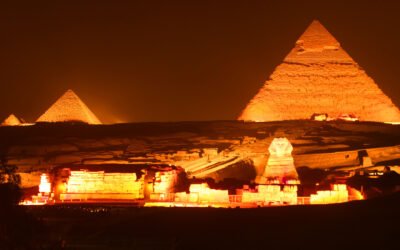
The seven steps of mummification reveal more than a burial practice—they embody a civilization’s advanced understanding of anatomy, chemistry, and spirituality. Ancient Egypt’s meticulous preservation techniques continue to astonish modern scientists and historians. Travelers from around the world visit Egypt to experience this ancient heritage firsthand. Whether you explore the The Great Pyramids Of Giza or marvel at the treasures of Tutankhamun’s tomb, the echoes of mummification are everywhere.
For those seeking a deeper connection to Egypt’s eternal traditions, combining historical exploration with comfort is possible through tours like the Egypt tour with Nile cruise or an immersive journey such as the 14 day Egypt tour. These curated experiences bring history to life while offering unparalleled access to ancient sites and museums.
Action: Experience the Legacy of Mummification in Modern Egypt
Exploring Egypt’s mummification heritage is more than a journey through time—it’s a spiritual adventure into one of humanity’s greatest civilizations. Plan your visit with Ancient Egypt Tours to witness the artistry of preservation up close. You can explore museum exhibits, temples, and tombs that showcase the sacred balance between life and death.
For a luxurious and contemplative experience, embark on the luxury Egypt tour package or pair history with elegance on the Oberoi Philae Nile Cruise. These experiences combine ancient wonders with modern comfort, letting you retrace the steps of pharaohs and priests who once practiced these sacred rites.
Whether you’re visiting the The Egyptian Museum Of Cairo to see royal mummies or exploring the temples of Upper Egypt, every experience deepens your understanding of why mummification was so vital to Egyptian culture. The ritual’s complexity continues to inspire archaeologists, historians, and travelers alike.
Frequently Asked Questions About the Seven Steps of Mummification
1. Why did ancient Egyptians practice mummification?
Ancient Egyptians believed that preserving the body was essential for the soul’s journey into the afterlife. Mummification ensured the physical form remained intact so that the spirit could recognize and return to it.
2. How long did the mummification process take?
The entire process lasted approximately seventy days, including the drying, wrapping, and ritual ceremonies performed by priests.
3. What materials were used in mummification?
Natron salt, resins, oils, linens, and amulets were key materials. Each item had symbolic meaning, often tied to purification, protection, and preservation.
4. Where can I see mummies in Egypt today?
You can view royal and priestly mummies at museums such as The National Museum Of Egyptian Civilization and The Grand Egyptian Museum, among others.
5. How can I explore Egypt’s mummification history in person?
To witness the legacy of mummification firsthand, consider curated journeys like the Egypt adventure tour or a cultural immersion offered by best Egypt itinerary. These experiences provide unique access to ancient tombs, temples, and museums dedicated to the art of eternal preservation.