Planning Egypt From The US: A Month-By-Month Countdown To Departure
To plan a trip from the US to Egypt, begin preparations at least six months in advance, focusing on documentation, vaccinations, and itinerary research. Secure flights and accommodations three months out, confirm entry requirements, and book tours or cruises early. Finalize packing, currency, and insurance details in the last month before departure for a smooth journey.
Key Takeaways
- All monument ticket prices in Egypt are in Egyptian Pounds (EGP), and mobile phone photography is free at Ministry sites.
- Egypt has 7 UNESCO World Heritage sites, covering ancient temples, pyramids, and unique natural reserves.
- Arrive at least one hour before closing time at monuments, and check for reduced opening hours during Ramadan.
- Free entry to monuments is available for children under 6, Egyptian seniors 60+, Egyptians with special needs, and orphaned children (with some exceptions at NMEC).
- US visitors should start planning early to secure the best flights, accommodations, and guided tours.
Six Months Out: Research, Inspiration, and Dreaming
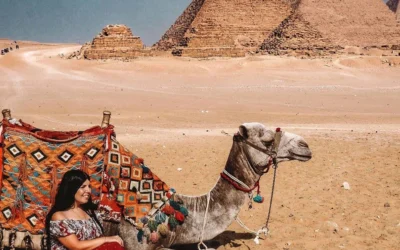
Six months before your Egypt adventure, focus on inspiration and research. Start by identifying the key experiences you want: the Pyramids of Giza, the Valley of the Kings, a Nile cruise, and the bustling markets of Cairo. Read widely to understand Egypt’s climate, cultural norms, and must-see sites. Consider the best time to visit—Egypt’s high season runs from October to April, offering pleasant weather for sightseeing.
For a step-by-step approach to organizing your trip, explore A Beginner’s Guide To Planning Your First Egypt Tour (Step-By-Step), which breaks down the planning process into manageable tasks for first-timers.
Five Months Out: Budgeting and Choosing Your Itinerary
At the five-month mark, set your travel budget and draft an itinerary. Consider how long you’ll stay (ten days is a comfortable minimum for classic highlights), and research the costs of flights, hotels, tours, and internal transportation. Egypt offers a variety of experiences, from bustling Cairo to serene Nile-side temples. Prioritize must-see destinations and allocate your budget accordingly.
If you’re traveling with family, dedicated packages such as the Egypt Family Vacation Tour are tailored to multi-generational groups, offering curated experiences and logistical ease.
Four Months Out: Booking Flights and Accommodations
Four months before departure is the ideal window to book international flights, as prices and seat availability are generally favorable. Compare airlines for the best routes, factoring in layovers and total travel time. Simultaneously, reserve accommodations in Cairo, Luxor, Aswan, or along the Red Sea, depending on your itinerary. Consider proximity to major sights, amenities, and cancellation policies.
For a seamless experience, many travelers opt for Egypt Vacation Packages that bundle flights, hotels, and guided tours, saving time and often money.
Three Months Out: Securing Tours and Nile Cruises
With flights and hotels booked, turn your attention to guided tours and Nile cruises. Egypt’s ancient sites are best explored with expert guides who bring history to life and handle logistics. Nile cruises, ranging from three to seven nights, are a highlight—sailing between Luxor and Aswan reveals temples, tombs, and riverside life.
Short on time? The 4 Day Nile Cruise Egypt is a popular option, offering a compact journey through the heart of ancient Egypt.
For those seeking a more off-the-beaten-path adventure, a Lake Nasser Cruise Egypt provides access to remote temples and stunning desert landscapes.
Two Months Out: Entry Requirements, Visas, and Health Preparation
Two months before your trip, review Egypt’s entry requirements for US citizens. Most travelers need a visa, which can be obtained online (e-visa) or on arrival at Cairo International Airport. Ensure your passport is valid for at least six months beyond your planned departure date. Check the latest vaccination recommendations from health authorities and schedule any required immunizations. Carry documentation of vaccinations as needed.
Consult your doctor about travel health, especially if you plan extended stays or visits to rural areas. Consider travel insurance that covers medical emergencies, trip cancellations, and baggage loss.
If you’re weighing the benefits of independent planning versus expert assistance, consider reading 7 Reasons To Book With An Egypt Travel Agent Instead Of Planning Alone for insights into the advantages of working with local specialists.
One Month Out: Finalizing Details, Packing, and Money Matters
With one month to go, finalize all details. Double-check your bookings, print confirmations, and review your itinerary. Research local customs and etiquette—Egypt is predominantly Muslim, so modest dress is appreciated at religious sites. Prepare a packing list, including lightweight clothing, sun protection, and comfortable walking shoes.
All monument ticket prices in Egypt are in Egyptian Pounds (EGP), per the Ministry of Tourism and Antiquities. While some sites accept card payments—such as self-service machines at Giza—bring cash for smaller purchases and entry fees. Mobile phone photography is free at Ministry sites, but commercial or professional equipment requires prior permission. Student discounts are available for those under 24 with valid ID.
Two Weeks Out: Confirmations and Preparing for Departure
Two weeks before departure, reconfirm all reservations—flights, hotels, tours, and airport transfers. Notify your bank of international travel to avoid card issues abroad. Make digital and paper copies of essential documents: passport, visa, travel insurance, and emergency contacts. Familiarize yourself with airport procedures and baggage rules.
Families should review detailed itineraries for group tours, such as the Egypt Tour Package for Family, ensuring all participants are prepared and excited for the journey.
One Week Out: Last-Minute Checks and Cultural Preparation
In the final week, monitor the weather forecast for your destination cities and adjust your packing as needed. Egypt’s climate can vary—Cairo and Luxor are warm and dry, while the Red Sea coast is breezier. Review official advice on monument opening hours, especially during Ramadan, when sites may have reduced hours. The Ministry of Tourism and Antiquities recommends arriving at least one hour before closing time.
Brush up on basic Arabic greetings and cultural etiquette. Make sure your mobile devices are equipped with offline maps and translation apps to ease navigation on arrival.
Egypt’s UNESCO World Heritage Sites: Highlights Not to Miss
Egypt boasts 7 UNESCO World Heritage sites, each offering a unique window into the country’s ancient and modern heritage. These include the Pyramids of Giza, Memphis and its Necropolis, Historic Cairo, Abu Mena, Ancient Thebes with its Necropolis, Nubian Monuments (from Abu Simbel to Philae), and Saint Catherine Area. Each site is a testament to Egypt’s rich history and architectural genius. Prioritize a few based on your interests, and remember that free entry is available for children under 6, Egyptian seniors 60+, Egyptians with special needs, and orphaned children, with specific rules at certain sites.
Frequently Asked Questions
-
What is the best time of year to visit Egypt from the US?
The best time to visit Egypt is from October to April, when the weather is cooler and ideal for sightseeing at major monuments and cruising the Nile.
-
Do I need a visa to enter Egypt as a US citizen?
Yes, US citizens require a visa to enter Egypt. You can obtain an e-visa online or purchase a visa on arrival at Cairo International Airport. Always check the official Egyptian government website for the latest requirements before traveling.
-
Are there discounts for students or children at Egyptian monuments?
Yes, free entry is available for children under 6, and students under 24 with valid student ID can access discounted tickets at Ministry sites. Always present the required documentation for eligibility.
-
Can I pay for monument tickets with a credit card?
At the Giza Pyramids, self-service machines accept bank cards for site tickets. However, card acceptance is not guaranteed at every site, so carry Egyptian Pounds (EGP) for other monuments.
-
Is photography allowed at Egyptian monuments and museums?
Photography with a mobile phone is free of charge at Ministry sites. Commercial, TV, or cinema filming requires prior permission. Always check local rules for specific restrictions at each site.
-
How far in advance should I book a Nile cruise or guided tour?
It is recommended to book Nile cruises and guided tours at least three months in advance, especially during the high season, to secure your preferred dates and accommodations.