The Mountain of the Dead: Unveiling the Mysteries of Siwa’s Ancient Necropolis
Deep in Egypt’s Western Desert lies a haunting yet mesmerizing site known as the Mountain of the Dead, or “Gebel al-Mawta.” This hill, rising near the magical Siwa Oasis, is one of Egypt’s most fascinating archaeological treasures. It holds hundreds of rock-cut tombs dating back to the 26th Dynasty, Ptolemaic, and Roman periods, offering an extraordinary glimpse into millennia of history and culture. For travelers searching for hidden gems beyond the Nile Valley, the Mountain of the Dead is a must-see destination that perfectly embodies the mystery and allure of ancient Egypt.
Attention: A Desert Hill Full of Secrets
Imagine standing atop a limestone hill surrounded by palm groves and golden dunes, overlooking one of Egypt’s oldest oases. The Mountain of the Dead is not only an archaeological wonder but also a portal to a world where the ancient Egyptians believed in eternal life. The tombs carved into the rocky slopes hold mummies, hieroglyphic inscriptions, and colorful murals that have survived thousands of years of desert winds.
Visitors who explore this site often combine it with a trip to the nearby Shali Castle and the mystical Oracle of Amun, where Alexander the Great was once proclaimed a divine figure. These attractions form the heart of Siwa’s ancient soul, making the oasis one of the most culturally rich places in the North African desert.
Interest: The History Behind the Mountain of the Dead
The Mountain of the Dead’s tombs date primarily from the 26th Dynasty (664–525 BCE) through the Greco-Roman era. Archaeologists believe that Siwa’s inhabitants used the site as a burial ground due to its elevated position and soft limestone, which made carving tombs relatively easy. The most famous tombs belong to distinguished figures, including priests and local rulers who wanted to be buried close to the sacred Oracle Temple nearby.
In 1940, local villagers rediscovered several tombs while seeking shelter during World War II air raids. Among the most notable discoveries were the Tomb of Si-Amun, known for its vivid wall paintings depicting the deceased and various deities, and the Tomb of Mesu-Isis, showcasing intricate hieroglyphs that reveal the funerary rituals of Siwa’s ancient past.
These discoveries turned the Mountain of the Dead into a vital archaeological site, attracting researchers and adventurous travelers alike. For anyone fascinated by ancient Egyptian burial practices—similar to what can be seen in the Valley of the Kings in Luxor—the tombs here present a smaller but equally captivating version of Egypt’s grand necropolises.
Desire: Why You Should Visit the Mountain of the Dead
Unlike the crowded sites near Cairo or Luxor, the Mountain of the Dead offers a tranquil encounter with Egypt’s ancient heritage. The panoramic views of Siwa’s palm groves, salt lakes, and desert dunes add a surreal beauty to the experience. As you ascend the hill’s winding paths, each tomb invites you to step into another era.
Those who love exploring off-the-beaten-path wonders will find this location ideal. Pair it with a sunset at the Siwa Salt Lakes or a healing dip at the Cleopatra Spring for a full day immersed in nature and history. The combination of mysticism, archaeology, and desert serenity makes Siwa an unforgettable stop in any Egypt adventure tour.
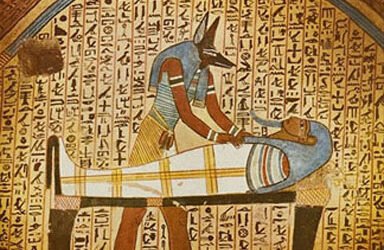
For history enthusiasts, visiting the Mountain of the Dead provides insight into how burial traditions evolved from the ancient dynasties to the Greco-Roman period. The tombs’ paintings reveal Osiris, Anubis, and other deities guiding souls to the afterlife, echoing stories also told at the grand temples of Luxor and Aswan, such as the Temple of Seti and the Temple of Philae.
Action: Plan Your Trip to the Mountain of the Dead
Reaching the Mountain of the Dead is simple if you include Siwa in your Egypt Vacation Packages. Many organized tours offer guided visits to this site, often combined with the Dakrour Mountain Siwa and other highlights of the oasis. Professional guides help explain the significance of the tombs, the symbolism behind their art, and how the people of Siwa preserved their customs despite their remote location.
If you are planning a long itinerary, consider adding Siwa after visiting the Nile Valley attractions on a 14 day Egypt tour or a 15 day Egypt tour. These extended itineraries allow you to experience Egypt’s most iconic landmarks, from the Great Pyramids of Giza to the tranquil oases of the Western Desert.
For travelers seeking a personalized journey, a private guided tour of Egypt can be tailored to include Siwa’s Mountain of the Dead and other unique destinations like the White Desert Egypt and Valley of Agabat. Combining the serene desert landscapes with the ancient wonders of Cairo and Luxor creates a truly balanced Egyptian experience.
Tips for Visiting the Mountain of the Dead
1. Visit early in the morning or at sunset for the best lighting and temperature.
2. Wear comfortable shoes for the steep climb and bring water.
3. Hire a local guide to explain tomb details and legends associated with the site.
4. Combine your visit with nearby attractions like the Temple Of Umm Ubayd to enrich your cultural experience.
Exploring More Hidden Egypt
The Mountain of the Dead is just one of many mystical sites scattered across Egypt’s deserts. The Bahariya Oasis Egypt and its nearby The Crystal Mountain are equally captivating for those who love nature fused with history. Similarly, the Dakhla Oasis and Kharga Oasis showcase more tombs, temples, and stories from Egypt’s forgotten corners.
For a smooth and unforgettable trip, you can rely on local operators who design Egypt Tour Packages combining the best of the country’s ancient sites with its natural wonders. Whether you’re drawn to the ancient tombs of Siwa or the timeless beauty of the Nile, Egypt promises endless discovery.
Frequently Asked Questions About the Mountain of the Dead
1. What is the Mountain of the Dead in Egypt?
The Mountain of the Dead, or Gebel al-Mawta, is an ancient necropolis near the Siwa Oasis. It features hundreds of tombs carved into limestone cliffs, dating from the 26th Dynasty through the Greco-Roman era.
2. How can I reach the Mountain of the Dead?
You can reach the site via Siwa Oasis, accessible by road from Marsa Matruh or by joining organized Private Egypt Tours that include desert transport and local guides.
3. What tombs should I see there?
The most famous tombs are those of Si-Amun and Mesu-Isis, both known for their well-preserved paintings and hieroglyphic decorations. These tombs showcase the blend of Egyptian and Greek art styles typical of Siwa’s ancient culture.
4. When is the best time to visit the Mountain of the Dead?
The best time to visit is from October to April, when the desert weather is cool and comfortable for hiking and exploring.
5. What other sites can I explore near the Mountain of the Dead?
Nearby attractions include the Oracle of Amun, Cleopatra Spring, and Shali Castle. All are easily accessible within the Siwa Oasis region and provide a deeper understanding of its historical and spiritual significance.