Discover the Majesty of Habu Temple: The Legacy of Pharaoh Ramses III
Among the many wonders of ancient Thebes, the Habu Temple—also known as the Mortuary Temple of Ramses III—stands as one of Egypt’s best-preserved monuments. Located in the western part of Luxor City, this architectural masterpiece offers an immersive journey through time, revealing the grandeur and spirituality of Egypt’s New Kingdom period. For travelers seeking authentic history and breathtaking artistry, the Habu Temple is a must-see destination on any Egypt tour with Nile cruise.
Attention: Why You Should Visit Habu Temple
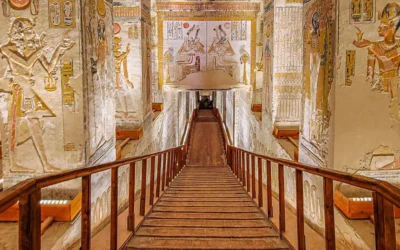
The Habu Temple, built during the reign of Ramses III of the 20th Dynasty, is more than a place of worship—it’s a historical archive carved in stone. As you enter the temple complex, you’re greeted by colossal pylons covered in intricate hieroglyphs and reliefs depicting Ramses III’s military victories, including the famous Battle of Kadesh. Every inch of stone reflects precision and devotion, making it one of the finest examples of ancient Egyptian temple architecture.
Travelers drawn to ancient mysteries will find themselves captivated by the temple’s detailed carvings, vibrant wall paintings, and symbolic layout—all of which reveal the essence of Egypt’s religious and social life during one of its most prosperous periods.
Interest: The Architectural and Artistic Brilliance of Medinet Habu
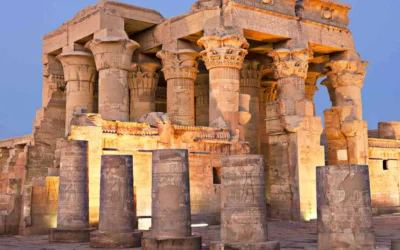
Medinet Habu is not only a temple but also a fortified complex that served multiple purposes, from religious ceremonies to administrative functions. The outer walls were built for protection, while the inner sanctuaries were dedicated to the god Amun and the deified Ramses III. The grand entrance features two massive pylons, each adorned with scenes of the pharaoh defeating his enemies—a powerful symbol of divine kingship.
Inside the temple, you’ll find a series of courtyards, hypostyle halls, and chapels decorated with vibrant reliefs that still retain traces of their original color. The attention to detail and scale rivals the architectural beauty of other famous landmarks like the Karnak Temple and Luxor Temple. Visitors can witness scenes depicting religious rituals, offerings to the gods, and processions celebrating the pharaoh’s divine status.
The temple complex also includes auxiliary buildings such as storage areas, royal palaces, and shrines for other deities. The combination of artistic mastery and engineering precision makes Habu Temple a remarkable example of how the Egyptians harmonized functionality with spiritual symbolism.
Desire: Experience the Timeless Spirit of Luxor’s West Bank
Located near other world-renowned sites like the Valley of the Kings, the Temple of Hatshepsut, and the Colossi of Memnon, the Habu Temple is an integral part of the ancient necropolis of Thebes. Visiting this site allows travelers to explore the spiritual heart of ancient Egypt, where pharaohs sought eternal life and divine connection.
Walking through Habu Temple’s corridors, you can almost feel the echoes of ancient rituals performed thousands of years ago. The temple’s westward orientation toward the setting sun symbolizes the eternal journey of the soul, a concept deeply rooted in Egyptian belief. This connection to eternity makes it one of the most spiritually significant temples in Egypt.
To enhance your experience, consider including the Habu Temple in one of the Egypt Vacation Packages that explore Luxor’s historical treasures. These expertly curated tours ensure you don’t miss any of the essential landmarks while traveling comfortably and efficiently across Egypt’s most iconic destinations.
Action: Plan Your Visit to Habu Temple
Exploring Medinet Habu is best done as part of a guided tour, allowing you to fully appreciate the historical and symbolic meanings hidden in its inscriptions. Professional guides bring the carvings to life, explaining each depiction of triumph, ritual, and divine ceremony in detail.
The temple is open year-round, but the best time to visit is during the cooler months from October to April. Morning visits are ideal for photography, as the soft sunlight enhances the colors of the reliefs and the textures of the limestone walls. If you’re planning an immersive historical journey, pair your visit to Habu Temple with a cruise along The Nile River, allowing you to explore other monumental sites in Upper Egypt.
Travelers looking for a comprehensive experience can book one of the Best Nile River Cruises, which often include stops at Luxor and other ancient wonders. For families, the Egypt family tour holidays option provides a balanced mix of adventure, education, and relaxation, making it ideal for all age groups.
Habu Temple’s Role in Egyptian Legacy
Ramses III built Habu Temple not just as a place of worship but also as a statement of his divine authority. The inscriptions inside the temple narrate Egypt’s prosperity during his reign and his victories against foreign invaders, especially the Sea Peoples. These records, combined with the architectural brilliance, help historians and archaeologists understand Egypt’s political and military history.
The temple’s walls are adorned with scenes of ritual offerings to Amun, the chief deity of Thebes, and representations of festivals such as the Beautiful Feast of the Valley. Each figure, hieroglyph, and color was designed with purpose—ensuring that Ramses III’s legacy would endure throughout eternity. Visitors who appreciate the historical depth of ancient Egypt will find Habu Temple to be a powerful symbol of divine kingship and cultural sophistication.
Enhance Your Egyptian Experience
Including Habu Temple in your itinerary ensures a deeper understanding of Egypt’s spiritual heritage. For travelers seeking a personalized experience, consider a Egypt private tour package that lets you explore Medinet Habu and nearby temples at your own pace. Those who prefer luxury can opt for the luxury Egypt tour package, offering premium accommodations and expert guides throughout your journey.
If time is limited, the 4 day Egypt tour or 6 day Egypt tour options allow travelers to experience Egypt’s highlights, including Luxor’s West Bank, while maintaining comfort and efficiency. For a more immersive journey, the 14 day Egypt tour provides a comprehensive exploration of Egypt’s temples, tombs, and museums, including the legendary Habu Temple.
Preservation and Ongoing Discoveries
Archaeologists continue to study Habu Temple, uncovering details about daily life, administrative practices, and religious ceremonies of the time. The site’s near-perfect preservation is due to its isolation and robust construction. New findings regularly shed light on ancient Egyptian engineering and artistry, making every visit a unique experience.
Recent discoveries in Thebes have even led researchers to reassess certain aspects of the temple’s role within the broader necropolis. For insights into the latest archaeological news, explore What Are The New Discoveries In Egypt?, which highlights recent findings throughout the country.
Conclusion: Step Into the Timeless World of Ramses III
The Habu Temple remains one of Egypt’s most significant cultural landmarks, offering visitors a rare opportunity to experience the grandeur of the ancient world. From its towering pylons and intricate reliefs to its spiritual symbolism, every element of Medinet Habu tells a story of divine power and artistic mastery. Whether you are an avid historian or a first-time traveler, a visit to this temple is a journey into the heart of Egypt’s golden age.
Plan your adventure today with one of the expertly designed Egypt Tour Packages that include Luxor’s treasures. Discover the beauty, mystery, and lasting heritage of the Habu Temple—an eternal monument to Egypt’s timeless civilization.
FAQs About Habu Temple
1. Who built the Habu Temple?
Pharaoh Ramses III of the 20th Dynasty built the Habu Temple as his mortuary temple, dedicated to the god Amun and to his own deified spirit.
2. Where is Habu Temple located?
Habu Temple, also called Medinet Habu, is located on the West Bank of Luxor City, near other major sites such as the Valley of the Kings and the Temple of Hatshepsut.
3. What makes Habu Temple unique?
It is one of Egypt’s best-preserved temples, featuring detailed reliefs, vibrant colors, and inscriptions that document Ramses III’s reign, battles, and religious rituals.
4. Can I visit Habu Temple during a Nile cruise?
Yes, many Best Nile River Cruises include stops in Luxor, allowing travelers to explore Habu Temple along with other ancient monuments.
5. What other temples should I visit near Habu Temple?
Nearby attractions include the Ramesseum Temple, Dandara Temple, and The Temple Of Seti, all of which showcase remarkable ancient Egyptian art and history.