Discover What Language Is Spoken in Egypt: The Key to Connecting With Egyptian Culture
When planning your journey to Egypt, a common question many travelers ask is: What language is spoken in Egypt? Understanding the primary language helps you connect deeply with locals, navigate cities like Cairo City and Alexandria City, and fully experience the country’s rich cultural heritage. In this article, you will explore the spoken languages of Egypt, their history, and how they reflect the nation’s identity today.
Attention: Why Knowing the Language of Egypt Matters
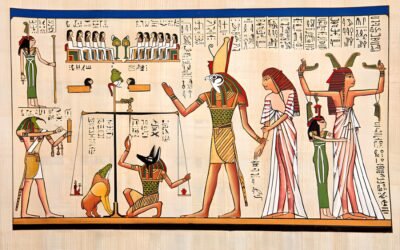
Egypt’s language reveals more than just words—it tells the story of a civilization that has influenced the world for thousands of years. From ancient hieroglyphics inscribed on the walls of the Great Pyramids of Giza to the melodic tones of modern Egyptian Arabic heard in the bustling streets of Cairo, the language is an essential key to understanding the country’s culture and people.
Whether you’re exploring the sacred sites like the Temple of Philae in Aswan or enjoying one of the Best Nile River Cruises, knowing a few local words can enhance your entire experience. Egyptians appreciate when visitors show interest in their language, as it demonstrates respect and curiosity for their way of life.
Interest: The Main Language Spoken in Egypt
The official language spoken in Egypt is Arabic. Specifically, the variant known as Egyptian Arabic or “Masri” is the most widely used in daily life. It differs in pronunciation, vocabulary, and grammar from other Arabic dialects across the Arab world. Egyptian Arabic is considered one of the most understood dialects because of Egypt’s influence in film, music, and media throughout the Middle East.
While Modern Standard Arabic (MSA) is used in government, education, and media, Egyptian Arabic dominates in everyday conversation. This contrast between the formal and colloquial versions of Arabic gives Egypt a unique linguistic diversity that fascinates linguists and travelers alike.
Egyptian Arabic: A Language Full of Culture and Expression
Egyptian Arabic carries centuries of linguistic evolution influenced by ancient Egyptian, Coptic, Turkish, French, and English languages. The dialect developed during the Islamic era and became dominant thanks to Cairo’s central role as a cultural hub. You’ll hear Egyptian Arabic in popular songs, films, and street conversations from Khan Al-Khalili Cairo to the cafes along the Nile River.
Its rhythm and humor make it both expressive and charming. Simple phrases like “Shukran” (thank you) and “Salam Alaikum” (peace be upon you) are used daily and can go a long way in creating memorable interactions with locals during your Egypt Vacation Packages.
Desire: Egypt’s Other Languages and Dialects
Although Arabic is the dominant language, Egypt’s linguistic landscape extends beyond it. Various communities speak different languages based on their heritage and geography. Here’s a closer look at Egypt’s secondary languages:
Coptic Language: A Symbol of Ancient Egyptian Heritage
The Coptic language, derived from ancient Egyptian and written in the Greek alphabet, is still used in the liturgy of the Coptic Orthodox Church. While it’s no longer spoken conversationally, it remains a sacred and cultural treasure among Coptic Christians. You can witness its influence when visiting Coptic Cairo (Old Cairo) or the historic Hanging Church.
Nubian Languages: Voices of Southern Egypt
In southern Egypt, particularly around Aswan City and the Nubian Village, the Nubian people preserve their unique languages—Nobiin and Kenzi-Dongolawi. These languages have ancient roots and reflect the deep cultural traditions of Nubian society. Participating in an authentic Egypt adventure tour often includes a visit to Nubian communities, where you can hear these languages firsthand.
English and French: The Languages of Modern Communication
Due to Egypt’s global connections and tourism industry, English and French are widely understood in major cities and tourist areas. Hotels, museums like the The Egyptian Museum Of Cairo, and travel operators often provide multilingual services. If you’re planning a luxury Egypt tour package, your guide will likely speak fluent English or French to ensure smooth communication throughout your trip.
Action: Experience Egypt Through Its Language
Learning a few basic Arabic expressions before your journey can transform your experience. It allows you to interact authentically with locals, whether you’re bargaining at a market in Giza City or exploring the ancient streets of Islamic Cairo. Egyptians are warm and hospitable, and they appreciate visitors who make an effort to speak their language.
When you embark on one of our Egypt Tour Packages, you can immerse yourself in Egypt’s linguistic and cultural beauty. Combine a historical journey through Luxor City and the Valley Of The Kings with a linguistic adventure—discovering how language shaped the Egyptian identity.
If you’re interested in a more immersive travel experience, a Egypt tour with Nile cruise offers a chance to interact with locals along the riverbanks, understand regional dialects, and even learn traditional sayings. The journey becomes more meaningful when you connect through words.
Key Phrases to Know Before Visiting Egypt
Here are some basic Egyptian Arabic phrases that will help you communicate easily:
– Hello: “Ahlan” or “Marhaban”
– How are you?: “Izayak?” (to a man) / “Izayek?” (to a woman)
– Please: “Min Fadlak” (to a man) / “Min Fadlik” (to a woman)
– Thank you: “Shukran”
– Yes: “Aywa”
– No: “La”
– Goodbye: “Ma’a Salama”
Using these simple expressions can make your trip more enjoyable and encourage meaningful exchanges. You’ll find that language in Egypt is more than communication—it’s a bridge to the country’s heart and soul.
Language and Egypt’s Historical Depth
The Egyptian language story stretches back over 5,000 years, from the hieroglyphs carved into temples like Karnak Temple to the modern-day Arabic spoken in bustling squares. Ancient Egyptian evolved into Coptic before Arabic gradually became the dominant tongue after the 7th century. This linguistic evolution mirrors Egypt’s transformation through pharaonic, Greco-Roman, Christian, and Islamic eras.
Final Thoughts: The Language of a Timeless Civilization
So, what language is spoken in Egypt? The answer goes beyond “Arabic.” It’s a living, breathing expression of Egypt’s identity—one shaped by centuries of cultural fusion. From the vibrant dialects of the south to the classical tones of Modern Standard Arabic, Egypt’s language connects its ancient legacy to the present.
Whether you’re exploring the ancient wonders in Luxor Temple or relaxing in coastal paradises like Sharm El Sheikh, understanding the language enhances your journey. Begin your adventure today with one of the Top Egypt Tour Packages and experience the beauty of Egypt’s words and culture side by side.
FAQs About the Language Spoken in Egypt
1. What is the official language of Egypt?
The official language of Egypt is Arabic, specifically Modern Standard Arabic in formal settings, while Egyptian Arabic is used in everyday communication.
2. Do Egyptians understand English?
Yes, many Egyptians, especially in cities and tourist areas, understand and speak English. You’ll have no trouble communicating during your Private Egypt Tours.
3. Are there other native languages spoken in Egypt?
Yes, besides Arabic, there are communities that speak Coptic and Nubian languages, particularly in the south near Aswan and Nubia.
4. Can I travel in Egypt without knowing Arabic?
Absolutely. English is widely used in tourism, hotels, and major attractions like the The Grand Egyptian Museum. Learning a few Arabic phrases, however, enriches your experience.
5. What is the best way to learn basic Egyptian Arabic?
You can start with online lessons, travel phrasebooks, or practice with locals during your Egypt luxury trip. Egyptians are friendly and will gladly help you learn simple expressions.