Kyphi And Incense In Ancient Egyptian Temples
Kyphi, a luxurious incense blend, and other aromatic substances played a central role in the rituals of ancient Egyptian temples. These fragrant offerings were believed to purify spaces, communicate with the gods, and maintain the sacred atmosphere essential for temple ceremonies.
Key Takeaways
- Kyphi was a complex incense blend used in ancient Egyptian temples for religious and medicinal purposes.
- Incense offerings were integral to daily temple rituals, symbolizing purification and divine communication.
- Main ingredients of kyphi included resins, wine, honey, and aromatic herbs, prepared through elaborate processes.
- Incense burners and offering tables are common archaeological finds in temples across Egypt.
- Visitors can see depictions of incense rituals in temples such as Karnak, Luxor, and Philae.
The Sacred Role of Incense in Ancient Egypt
Incense was not merely a pleasant fragrance in ancient Egypt; it was a vital tool for maintaining the sanctity of temple spaces and facilitating communication with the divine. Priests burned incense during daily rituals, processions, and festivals, believing the rising smoke carried prayers directly to the gods. The act of offering incense symbolized purification, driving away evil spirits and negative influences. Temples across Egypt, from the grand Karnak complex to smaller local shrines, featured incense burners and dedicated storerooms for aromatic substances, underscoring their central place in religious practice.
What Is Kyphi? The Legendary Egyptian Incense
Kyphi (also spelled kapet or kuphi) was the most famous and revered incense blend in ancient Egypt. Unlike simpler incense made from a single resin or wood, kyphi was a complex mixture of up to sixteen ingredients, including frankincense, myrrh, juniper berries, raisins, honey, wine, and various aromatic herbs. The recipe for kyphi was considered sacred knowledge, recorded on temple walls and papyri. Its preparation was a ritual in itself, often taking several days and involving prayers and purification rites. Kyphi was burned at dusk in temples, filling the air with a sweet, lingering aroma that was said to please both gods and humans.
Ingredients and Preparation of Kyphi
The exact formula for kyphi varied between temples and periods, but common ingredients included resins like frankincense and myrrh, sweeteners such as honey and raisins, and aromatic plants like cinnamon and calamus. The preparation process involved grinding, mixing, and steeping ingredients in wine, then forming them into balls or cakes. This labor-intensive method ensured a rich, layered fragrance when burned. The resulting incense was believed to have not only spiritual but also medicinal properties, used to treat ailments and promote restful sleep. Modern reconstructions of kyphi, based on ancient texts, attempt to capture its legendary scent and complexity.
Incense in Daily Temple Rituals
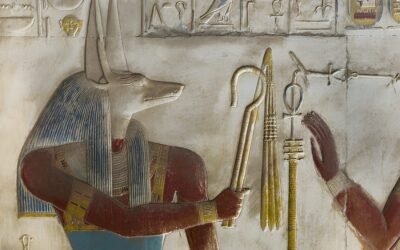
Every morning, temple priests performed a series of rituals to awaken and honor the gods’ statues housed in the sanctuary. Incense played a crucial part in these ceremonies. Priests would light incense burners and waft the fragrant smoke around the shrine, altar, and sacred objects. This act was thought to cleanse the space and invite the deity’s presence. Inscriptions and reliefs on temple walls frequently depict priests holding incense burners, emphasizing its importance. Incense was also used during processions, funerary rites, and major festivals, ensuring every sacred act was enveloped in fragrance and symbolism.
Incense Burners and Temple Offerings
Archaeological excavations have uncovered a variety of incense burners and offering tables in temples throughout Egypt. These objects ranged from simple clay dishes to elaborate bronze censers adorned with religious symbols. The design of incense burners often reflected their sacred function, with motifs like lotus flowers, cobras, and deities. Offering tables, placed in front of statues or altars, held incense, food, and drink for the gods. The combination of visual art, aromatic smoke, and ritual movement created a multisensory experience that reinforced the temple’s role as a bridge between the earthly and divine realms. For those interested in exploring more about the structures and artifacts found in these sacred spaces, the Monuments & Temples category provides a comprehensive overview of Egypt’s most iconic religious sites.
Symbolism and Mythology of Incense
In Egyptian mythology, incense was closely associated with the gods and the act of creation. The sweet smoke was seen as the “breath of the gods,” capable of reviving statues and sanctifying the temple environment. Certain deities, such as Thoth (god of wisdom) and Isis (goddess of magic), were linked to the use of aromatic resins and the secrets of kyphi. Incense offerings also appear in funerary texts, where they guide the deceased through the afterlife and appease protective spirits. The use of incense in temple rituals thus reflected broader beliefs about purity, transformation, and the eternal connection between mortals and the divine. To understand more about the religious symbolism and the gods themselves, you can read about Ancient Egyptian Animal Gods and their roles in temple worship.
Incense and Temple Festivals
Major temple festivals, such as the Opet Festival in Thebes or the Feast of Khoiak at Dendera, featured elaborate incense rituals. During these events, priests carried portable altars and censers through the temple precincts and city streets, enveloping participants in clouds of fragrant smoke. Incense was offered at every station along the processional route, purifying the path and invoking divine favor. Festival scenes depicted on temple walls show the importance of incense in communal celebrations, reinforcing its role as both a personal offering and a public spectacle. Visitors to Egypt today can witness echoes of these ancient traditions during special events and re-enactments at major temple sites.
Kyphi and Incense in Medicine and Daily Life
While kyphi was primarily a temple incense, its use extended into ancient Egyptian households and medical practice. Ancient texts describe kyphi as a remedy for respiratory ailments, insomnia, and digestive issues. Physicians prescribed kyphi as a fumigant or potion, highlighting its perceived healing properties. Incense and aromatic oils were also used in personal grooming, religious amulets, and household rituals. The connection between fragrance, health, and spirituality was deeply embedded in Egyptian culture. For those curious about the broader context of daily life in ancient Egypt, including culinary traditions, exploring Ancient Egyptian Food provides fascinating insights into the sensory world of the Nile Valley.
Visiting Temples: Experiencing Ancient Fragrance Today
Travelers to Egypt can experience the legacy of kyphi and incense in many temple complexes. Sites like Karnak, Luxor, Philae, and Edfu feature reliefs showing incense rituals and sometimes display ancient burners in their museums. While the original scents have faded, some temples offer demonstrations or sell replicas of ancient incense blends, allowing visitors to engage with this aspect of temple life. For a deeper immersion, consider joining a guided tour that highlights the rituals and artifacts related to incense. Multi-day itineraries such as the 7-Day Egypt Tour with Nile Cruise often include visits to the most significant temples where incense played a role in the daily worship of the gods.
Incense Traditions on the Nile: Temple Visits by Cruise
Many of Egypt’s most famous temples are located along the Nile, and exploring them by river cruise offers a unique perspective on the ancient incense traditions. Modern Nile cruises often stop at temples like Kom Ombo, Edfu, and Philae, where guides explain the significance of incense in temple rituals. Some luxury cruises even incorporate themed evenings or workshops on ancient fragrances, giving travelers a multisensory appreciation of Egypt’s spiritual heritage. The Ms Mayfair Nile Cruise is one such option, combining comfort with cultural enrichment as you journey through the heart of ancient Egypt.
Kyphi’s Legacy in Modern Egypt
Though the exact recipes of ancient kyphi are lost to time, its influence persists in modern Egyptian perfumery and religious traditions. Contemporary incense blends often draw inspiration from kyphi’s ingredients, and the use of aromatic resins remains common in homes and mosques. Museums in Cairo, Luxor, and Aswan sometimes display ancient incense burners and kyphi-related artifacts, offering a tangible link to the past. For travelers seeking a comprehensive exploration of Egypt’s spiritual and cultural legacy, the 15 Day Egypt Tour provides ample opportunities to visit temples, museums, and workshops dedicated to the art of fragrance.
Frequently Asked Questions
-
What was kyphi used for in ancient Egyptian temples?
Kyphi was used as a sacred incense in ancient Egyptian temples, primarily for purification, religious rituals, and as an offering to the gods to ensure divine favor and communication. -
What ingredients were in kyphi incense?
Kyphi typically included a blend of resins like frankincense and myrrh, honey, wine, raisins, aromatic herbs, and sometimes spices such as cinnamon and juniper berries, prepared through a complex process. -
Where can I see ancient incense burners in Egypt?
Ancient incense burners are displayed in museums in Cairo, Luxor, and Aswan, and can also be seen in situ at temple sites such as Karnak, Luxor, Edfu, and Philae. -
How did incense function in temple ceremonies?
Incense was burned during daily rituals, processions, and festivals to purify temple spaces, honor the gods, and symbolize the transformation of offerings into spiritual form. -
Can visitors experience incense rituals today?
While original rituals are not performed, some temples offer demonstrations or sell incense inspired by ancient recipes, and guided tours often highlight the historical significance of incense in temple life. -
Is kyphi still made in Egypt today?
Modern perfumers and artisans sometimes recreate kyphi based on ancient texts, but the exact original recipe is lost. Contemporary incense blends often take inspiration from kyphi’s legendary fragrance.