Discover the Majestic Karnak Temple in Luxor: The Heart of Ancient Thebes
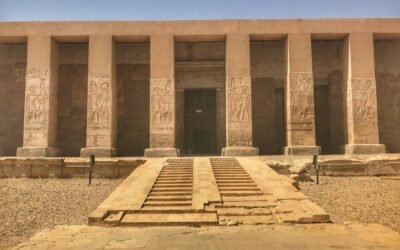
Nestled along the sacred banks of the Nile River, the awe-inspiring Karnak Temple stands as one of Egypt’s most iconic archaeological wonders. This colossal temple complex in Luxor City is a gateway to ancient grandeur, where towering columns, divine statues, and hieroglyphic-covered walls narrate the story of Egypt’s powerful pharaohs and their devotion to the gods. Visiting Karnak Temple is more than a sightseeing experience—it’s a journey through 2,000 years of spiritual, artistic, and architectural evolution.
Attention: Why Karnak Temple Is a Must-See Destination in Egypt
The Karnak Temple complex is not just another ancient site—it’s the largest religious structure ever built by mankind. Dedicated primarily to Amun-Ra, the supreme deity of the New Kingdom, this vast temple served as the spiritual heart of Thebes and a testament to Egypt’s religious devotion. With its intricate carvings and monumental design, the site captivates anyone passionate about ancient civilizations, history, and archaeology. Travelers seeking a deeper connection to Egypt’s past often pair their visit with the nearby Luxor Temple and the Avenue of Sphinxes, creating a journey that reveals the full splendor of Theban history.
Interest: Exploring the Architectural Marvels of the Karnak Temple Complex
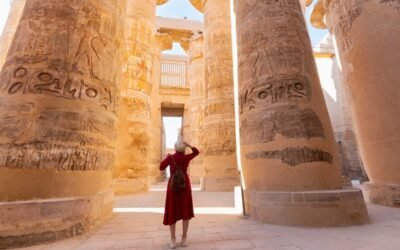
Spanning over 200 acres, the Karnak Temple complex is a labyrinth of sanctuaries, obelisks, chapels, and colossal statues. The most famous section—the Great Hypostyle Hall—features 134 massive sandstone columns arranged in 16 rows, each intricately adorned with scenes of pharaohs making offerings to the gods. Walking through this enormous forest of pillars gives visitors a sense of divine scale and majesty, unmatched anywhere else in the world.
Over centuries, pharaohs like Thutmose III, Ramses II, and Hatshepsut contributed to the expansion of Karnak, leaving behind architectural legacies that speak to their reigns. Thutmose III added the Festival Hall, showcasing his devotion and power, while Hatshepsut built obelisks that still pierce the Luxor sky. These contributions made Karnak not only a place of worship but also a political and cultural center.
Beyond its architectural magnificence, Karnak Temple’s spiritual significance lies in its dedication to the Theban triad: Amun, Mut, and Khonsu. The sacred lake within the complex served as a site for purification rituals, connecting priests and pilgrims to divine energy. Visitors today are drawn to this mystical ambiance, experiencing the profound sense of continuity between ancient devotion and modern wonder.
Desire: Experience Egypt’s Timeless Heritage Through Karnak Temple
The allure of Karnak Temple lies in its ability to transport travelers into the world of the pharaohs. As the sun rises over the colossal columns and golden light illuminates the hieroglyphs, visitors feel the enduring spirit of ancient Egypt. This temple is not just a relic—it’s a living testament to the creativity and spirituality of a civilization that continues to inspire humanity.
To fully appreciate its grandeur, many travelers choose a guided exploration through the best Egypt Vacation Packages, which include expert Egyptologists who reveal the hidden meanings behind the carvings and rituals. Pairing a visit to Karnak with the Valley of the Kings or the Temple Of Hatshepsut enhances the journey through Thebes’ ancient landscape.
Adventurous travelers might extend their experience with the Best Nile River Cruises, sailing from Luxor to Aswan while discovering other monumental temples such as Edfu Temple and Kom Ombo Temple. This combination of river adventure and historical exploration creates a seamless connection between Egypt’s geography and mythology.
Action: Plan Your Dream Trip to Explore Karnak Temple
Whether you’re seeking cultural immersion, historical insight, or an unforgettable travel experience, including Karnak Temple in your itinerary is essential. A well-planned itinerary, such as the 6 day Egypt tour or the 14 day Egypt tour, often incorporates visits to Luxor’s most famous landmarks, ensuring a comprehensive exploration of ancient Egypt. For a lavish experience, travelers can opt for a luxury Egypt tour package that pairs comfort with cultural depth.
Those looking for personalized travel options can consider a Egypt private tour package or even a private guided tour of Egypt for a more intimate journey through temples, tombs, and museums. This allows visitors to explore at their own pace while uncovering hidden details and stories often missed in group tours.
Families can enjoy a tailored adventure with an Egypt family vacation tour, ensuring that younger travelers also experience the magic of ancient Egypt in a fun and educational way. For those seeking romance and tranquility, a 8 day Cairo and Nile cruise tour offers the perfect balance of relaxation and exploration, including time to marvel at the Karnak Temple’s illuminated beauty during the night sound-and-light show.
Karnak Temple: A Living Chronicle of Ancient Glory
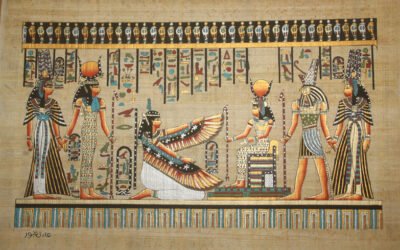
Every stone within the Karnak Temple tells a story—from the epic carvings of battles like the Battle Of Kadesh to the artistic flourishes that reveal the evolution of ancient Egyptian art. The temple’s walls preserve the essence of ancient Egyptian animal gods and the rituals that defined their worship. Such details make it an essential stop for archaeology enthusiasts and photographers capturing the soul of Egypt’s golden era.
Visitors often combine their exploration of Karnak with tours to the Luxor Museum to view the artifacts unearthed from the Theban temples. This provides a well-rounded perspective on the city’s sacred heritage, blending monumental architecture with exquisite craftsmanship.
So whether you’re a history lover, a spiritual explorer, or a traveler seeking timeless beauty, Karnak Temple promises an unforgettable encounter with the wonders of ancient Egypt.
Frequently Asked Questions About Karnak Temple
1. When was Karnak Temple built?
Construction began around 2055 BCE and continued for more than 2,000 years, with each pharaoh adding new sanctuaries, pylons, and obelisks to honor the gods of Thebes.
2. What is the best time to visit Karnak Temple?
The ideal time to visit is during Egypt’s cooler months, from October to April. Many travelers combine it with the Nile River cruise for a comfortable, scenic journey.
3. How is Karnak Temple different from Luxor Temple?
While both temples are in Luxor, Karnak is a vast complex dedicated to Amun-Ra, whereas Luxor Temple focused more on the rejuvenation of kingship. Walking along the Avenue of Sphinxes connects both temples in a grand ceremonial pathway.
4. Can I visit Karnak Temple at night?
Yes, the sound and light show at Karnak Temple is a breathtaking experience that narrates the history of Thebes as the monuments are illuminated under the stars—an unforgettable highlight of any Egypt Tour Packages.
5. What should I wear when visiting Karnak Temple?
Light, breathable clothing, a hat, and comfortable shoes are recommended. To prepare properly, check this helpful guide on what to wear in Egypt to ensure you dress appropriately for the climate and cultural respect.