Discover the Majestic Great Sand Sea: Egypt’s Endless Ocean of Sand
Imagine a vast ocean where waves are made of golden sand instead of water, stretching endlessly beyond the horizon. Welcome to the Great Sand Sea, one of Egypt’s most extraordinary natural wonders. Located between the Siwa Oasis and the Gilf Kebir Plateau, this immense desert landscape covers about 72,000 square kilometers of breathtaking dunes and mesmerizing silence. It’s a must-visit for travelers who want to experience Egypt beyond its ancient temples and bustling cities.
Attention: Why the Great Sand Sea Captivates Every Explorer
The Great Sand Sea isn’t just a desert—it’s a living, breathing landscape of ever-shifting dunes sculpted by the wind. This spectacular region forms part of the Libyan Desert and features some of the world’s largest sand dunes, some reaching up to 140 meters in height. Its untouched beauty and remote location make it one of Egypt’s most intriguing destinations for adventurers and photographers alike.
Visitors often combine their journey here with a stop at nearby White Desert Egypt or Bahariya Oasis Egypt. These connections create an unforgettable desert circuit that highlights the unique geological diversity of Egypt’s Western Desert.
Interest: The Natural Wonders and Mysterious Landscape
The Great Sand Sea is more than just dunes; it’s a geological masterpiece. The fine sand forms smooth waves that change colors from pale gold in the morning to deep amber during sunset. Beneath the surface, ancient fossils and rock formations tell stories of the Sahara’s prehistoric past when the area was once a lush, green plain filled with lakes and life.
Adventurers who travel through the Great Sand Sea often pass through the Valley Of Agabat and the iconic The Crystal Mountain. These natural sites add to the surreal experience, combining sparkling crystal formations and multi-colored rock landscapes that contrast beautifully with the desert’s rolling dunes.
Unique Flora and Fauna
While the Great Sand Sea appears barren at first glance, it supports a surprising array of desert life. Small shrubs, desert foxes, and birds have adapted to this extreme environment, surviving with minimal water and food. For wildlife photographers, this pristine environment offers a rare opportunity to capture nature in its raw form.
Ancient Routes and Hidden History
Historically, the Great Sand Sea played a role in ancient caravan routes connecting Egypt with the rest of North Africa. Traces of ancient travelers have been found along its edges, including pottery fragments and rock art. One of the most fascinating discoveries is the Libyan Desert Glass—translucent yellow glass formed by an ancient meteorite impact, now prized for its beauty and rarity.
Travelers visiting nearby Oracle Of Amun in the Siwa Oasis can deepen their understanding of how ancient Egyptians and desert dwellers revered the environment and its mysterious powers.
Desire: Experience the Great Sand Sea Like Never Before
For modern explorers, the Great Sand Sea offers an unmatched sense of freedom and wonder. Desert safaris allow visitors to traverse endless dunes by 4×4 vehicles or even by camel, following the same paths once taken by nomads. The best time to visit is between October and April when the temperature is cooler, and the skies are crystal clear for stargazing.
Camping Under the Stars
Few experiences compare to a night beneath the desert sky, surrounded by silence and shimmering stars. Campers often stay near the Siwa Oasis and venture into the dunes for a night of serenity and ancient energy. Many Egypt tours now include luxury camping experiences, where travelers enjoy traditional Bedouin meals beside a warm fire.
Adventure and Tranquility Combined
Whether you seek adrenaline or peace, the Great Sand Sea delivers both. Sandboarding down massive dunes offers excitement, while the endless horizon brings unmatched tranquility. Travelers looking for an authentic desert experience can book an Egypt adventure tour that features the Great Sand Sea as a highlight.
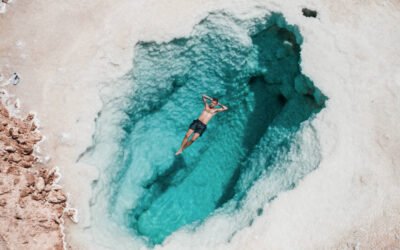
If you prefer a slower pace, you can unwind in the nearby Cleopatra Spring or explore the ancient ruins and salt lakes of Siwa Salt Lakes. Each site complements the raw beauty of the Great Sand Sea, offering cultural depth and natural wonder in equal measure.
Perfect Stop for Desert Explorers
The Great Sand Sea can be easily included in various Egypt Vacation Packages. Many tours combine the desert’s beauty with visits to other Western Desert landmarks such as the Farafra Oasis and Kharga Oasis. These routes reveal the diversity of Egypt’s landscapes—from fertile oases to dunes stretching as far as the eye can see.
Action: Plan Your Journey to the Great Sand Sea
Planning a journey to the Great Sand Sea requires preparation and expert guidance. Since it’s a remote destination, traveling with a licensed guide ensures safety and allows you to explore hidden corners that most tourists never see. Begin your trip from Cairo, then travel west toward Marsa Matruh City or Siwa, the nearest major settlements.
For those who want to combine their desert adventure with Egypt’s cultural highlights, consider customizing your best Egypt itinerary. It can blend the mystical charm of the desert with historical treasures like the Temple Of Philae or the temples of Luxor City.
Choose the Right Tour Package
Several Egypt Tour Packages include Western Desert expeditions featuring the Great Sand Sea. Opting for a private or group tour ensures proper logistics, comfort, and a chance to explore safely. Some travelers prefer a luxury Egypt vacation that combines high-end accommodation and exclusive desert access for an unforgettable experience.
If you crave a deeper cultural journey, pair your desert trip with an Egypt tour with Nile cruise. It’s the perfect way to enjoy both Egypt’s natural and historical sides—sand seas and river valleys, temples and dunes, all in one itinerary.
Responsible Tourism in the Great Sand Sea
When visiting the Great Sand Sea, it’s essential to respect the fragile desert environment. Always travel with a certified local guide and avoid leaving waste behind. Supporting local communities in Siwa and the surrounding oases contributes to sustainable tourism and helps preserve this unique ecosystem for future generations.
Why the Great Sand Sea Deserves a Place on Your Egypt Bucket List
The Great Sand Sea offers an otherworldly experience that redefines how travelers see Egypt. Beyond the monuments and museums, it provides a connection to nature and the timeless silence of the desert. If you’re seeking a destination that combines mystery, beauty, and adventure, this majestic sea of sand should definitely be part of your Egypt Bucket List.
FAQs about the Great Sand Sea
1. Where is the Great Sand Sea located?
The Great Sand Sea lies in Egypt’s Western Desert, stretching from the Siwa Oasis to the Libyan border. It’s one of the largest continuous sand dune fields in the world.
2. How can I reach the Great Sand Sea?
Travelers typically start from Cairo or Marsa Matruh and head toward Siwa Oasis, the most accessible gateway to the Great Sand Sea. Local guides organize 4×4 desert tours.
3. What is the best time to visit the Great Sand Sea?
The best time to explore is from October to April, when daytime temperatures are pleasant and the nights are cool enough for camping under the stars.
4. What activities can I do in the Great Sand Sea?
You can go dune bashing, sandboarding, camel trekking, or stargazing. Many travelers also visit nearby attractions like the Dakrour Mountain Siwa and The Mountain Of The Dead.
5. Is it safe to visit the Great Sand Sea?
Yes, it’s safe when visited with experienced local guides as part of organized tours. Always check current travel conditions and ensure your tour includes safety measures, transportation, and supplies.