Choosing Ethical Animal Experiences In Egypt: Camels, Horses And Marine Life
Key Takeaways
- Choose camel and horse rides where animals appear healthy, well-fed, and properly cared for.
- Marine excursions should follow guidelines to protect coral reefs, dolphins, and sea turtles.
- Many ethical animal experiences are available in Egypt, from Red Sea snorkeling to desert eco-tours.
- Official ticket prices for monuments are in Egyptian Pounds (EGP), and mobile phone photography is free at Ministry sites.
- Always check for updated opening hours and conservation guidelines before booking animal-related activities.
Understanding Animal Welfare in Egyptian Tourism
Egypt’s rich history and diverse landscapes offer travelers countless opportunities to interact with animals, but not all experiences are created equal. Animal welfare in tourism focuses on the physical and psychological well-being of animals involved in tourist activities. Ethical experiences avoid overworking animals, provide proper veterinary care, and ensure suitable living conditions. Look for operators who are transparent about their animal care practices and who limit the number of daily rides or interactions to prevent exhaustion and stress. Responsible travel also means supporting businesses that invest in local conservation and education efforts, helping to protect Egypt’s unique wildlife for future generations.
Choosing Responsible Camel Rides at the Pyramids
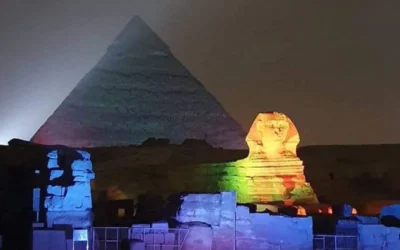
Camel rides around the Giza Pyramids are iconic, but the welfare of these animals varies widely between operators. Ethical providers will have camels that appear in good health, with clean coats, no visible wounds, and access to water and shade. Saddles should fit properly to prevent sores, and handlers should treat animals gently. Avoid rides where camels are forced to work in extreme heat or show signs of distress. Always ask about the camel’s care and rest schedule before booking. By choosing responsible operators, travelers encourage better standards and support the welfare of these extraordinary desert animals. For those seeking unique and ethical activities, exploring unique experiences in Egypt can offer alternatives that prioritize animal and environmental well-being.
Horse-Drawn Carriages: Tradition Meets Ethics
Horse-drawn carriages, or “caleches,” are a common sight in Luxor and Aswan, offering a charming way to see ancient sites. However, ethical considerations are paramount. Look for horses that are well-fed, with no open wounds, and stabled in clean environments. Carriage drivers should never overload the vehicle or force the horses to work during the hottest parts of the day. If you witness mistreatment, refuse the ride and consider reporting the operator to local authorities or animal welfare organizations. Responsible carriage operators are proud of their animals and are happy to discuss their care routines with visitors. Families traveling together can find ethical options through curated tours, such as those featured in family vacation tours in Egypt, which often prioritize animal welfare and responsible tourism.
Red Sea Marine Life: Snorkeling and Diving Responsibly
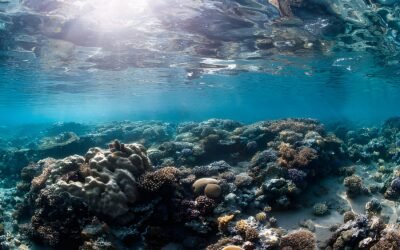
The Red Sea is renowned for its vibrant coral reefs and diverse marine life, including dolphins, turtles, and colorful fish. Ethical marine excursions follow strict guidelines to protect fragile ecosystems. Choose operators that brief guests on not touching or standing on coral, maintaining a respectful distance from wildlife, and never feeding animals. Boats should use mooring buoys instead of anchors to avoid damaging reefs. Some eco-friendly tours also participate in reef clean-ups and marine education. By supporting these operators, travelers can help preserve the Red Sea’s biodiversity while enjoying world-class snorkeling and diving experiences. For those interested in exploring the Nile and its surroundings, a 4-day Nile cruise can offer a responsible way to encounter Egypt’s riverine wildlife.
Protecting Dolphins and Sea Turtles: Guidelines for Encounters
Swimming with dolphins or observing sea turtles is a dream for many, but these encounters must be managed carefully to avoid harm. Ethical tours limit the number of swimmers, require the use of biodegradable sunscreen, and prohibit chasing or touching animals. Operators should follow strict codes of conduct set by conservation organizations. In Egypt, certain areas like Sataya Reef are known for wild dolphin populations, and only licensed guides should lead excursions. By choosing tours that prioritize animal welfare and conservation, travelers ensure that these magical creatures remain protected for generations to come. For more on immersive and respectful local experiences, see local experiences in Egypt that highlight community engagement and sustainable practices.
Eco-Friendly Desert Safaris and Wildlife Watching
Egypt’s deserts are home to unique wildlife, including fennec foxes, gazelles, and a variety of bird species. Ethical desert safaris focus on wildlife observation rather than direct interaction, using experienced guides who respect animal habitats and follow conservation principles. These tours often limit group sizes, avoid off-road driving in sensitive areas, and educate visitors about the local ecosystem. Travelers can also support conservation by choosing eco-lodges and community-run initiatives that prioritize both environmental protection and local livelihoods. Safaris that partner with conservation NGOs help monitor and protect endangered species, making your adventure a positive force for wildlife preservation.
How to Identify Ethical Operators and Tours
Identifying ethical animal experiences in Egypt requires a bit of research and observation. Look for tour operators who are transparent about their animal welfare policies and who have partnerships with conservation organizations. Check for certifications, read reviews from previous travelers, and observe the condition of the animals and their environment upon arrival. Ethical operators will prioritize animal health, limit the number of daily interactions, and provide educational briefings to guests. They should also be willing to answer questions about their practices. For travelers seeking comprehensive and responsible itineraries, browsing Egypt vacation packages can help identify tours that emphasize ethical animal encounters and sustainable travel.
Supporting Local Communities Through Responsible Tourism
Ethical animal experiences often go hand-in-hand with supporting local communities. Many responsible tour operators employ local guides, source supplies from nearby villages, and invest in community development projects. By choosing ethical tours, travelers help create sustainable livelihoods and encourage the protection of cultural and natural heritage. Engaging with local communities also enriches the travel experience, offering authentic insights into Egyptian traditions and daily life. For families, selecting a family-friendly Egypt tour package that prioritizes both animal welfare and community involvement ensures a meaningful and memorable journey for all ages.
Combining Ethical Animal Experiences with Cultural Exploration
Travelers can blend ethical animal encounters with Egypt’s rich cultural offerings for a well-rounded itinerary. For example, a day spent responsibly riding camels near the pyramids can be followed by a guided visit to ancient temples or bustling markets. Nile cruises provide opportunities to spot river birds and wildlife while exploring historic sites along the banks. Experiences that respect both animals and heritage sites create lasting memories and support the preservation of Egypt’s treasures. For those interested in exploring Egypt’s waterways and wildlife, a journey such as the Lake Nasser cruise in Egypt can be an excellent option, offering both cultural immersion and responsible wildlife observation.
Frequently Asked Questions
-
What makes an animal experience ethical in Egypt?
An ethical animal experience in Egypt prioritizes animal welfare, avoids exploitation, and follows guidelines set by animal welfare organizations and conservation authorities. -
How can I tell if a camel or horse is being treated well?
Look for animals that are healthy, clean, and not overworked. Ethical operators provide water, shade, and rest, and are open about their care routines. -
Are there specific rules for marine wildlife encounters in Egypt?
Yes, responsible marine tours do not allow touching or feeding wildlife, require the use of reef-safe sunscreen, and maintain a safe distance from animals like dolphins and turtles. -
Is mobile phone photography allowed at Egyptian monuments?
Photography with a mobile phone is free of charge at Ministry sites, but commercial or professional filming requires prior permission. -
How do I find responsible tour operators for animal experiences?
Research operators’ animal welfare policies, look for conservation partnerships, read traveler reviews, and observe animal conditions before booking. -
Can I support local communities while choosing ethical animal activities?
Yes, many ethical tours employ local guides and invest in community projects, allowing travelers to support both animal welfare and local livelihoods.