The Secrets Behind Ancient Egyptian Makeup: Beauty, Belief, and Symbolism
Ancient Egyptian makeup was much more than a fashion statement—it was a sophisticated blend of art, spirituality, and science that reflected the culture’s values and beliefs. Both men and women in ancient Egypt adorned their faces with vibrant colors and intricate designs, not just to enhance beauty but also to protect their health and soul. The ancient Egyptians’ mastery of cosmetics continues to influence modern beauty trends around the world. When you explore the The Egyptian Museum Of Cairo, you can witness some of the best-preserved remnants of these cosmetic traditions.
Attention: The Allure of Ancient Egyptian Beauty
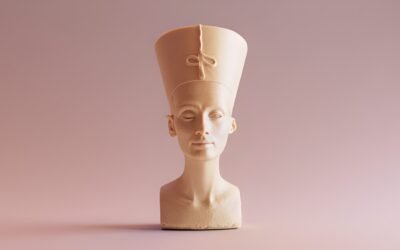
From the iconic kohl-lined eyes of Cleopatra to the shimmering green malachite eyeshadow of Nefertiti, ancient Egyptian makeup defined one of history’s most recognizable aesthetics. The people of the Nile used cosmetics daily, regardless of gender or social status. Even laborers wore makeup to protect their skin from the harsh sun and desert winds. The fascination with their appearance reflected deep cultural meanings that tied beauty to divinity and protection. Many of these artifacts can still be admired at sites like the The Grand Egyptian Museum in Giza.
Interest: Symbolism Behind Ancient Egyptian Makeup
Every pigment and product had a purpose. Kohl, made from galena or lead sulfide, darkened the eyelids and helped shield eyes from sunlight and infections. The dark eyeliner also mimicked the revered Egyptian Eye Of Horus, a symbol of protection and good health. Green malachite represented fertility and rebirth, while red ochre was used on lips and cheeks to symbolize vitality. Both men and women used these cosmetics as a form of self-expression and to honor the gods.
Intriguingly, ancient Egyptians associated specific colors with divine powers. Gold tones symbolized the sun god Ra, representing immortality and strength. Blue, derived from crushed lapis lazuli, was worn to invoke the heavens. The use of such hues can be observed in many sacred relics and even in depictions found at Luxor Temple and Karnak Temple, where gods and pharaohs are painted with similar pigments.
Desire: Beauty, Health, and Holiness Combined
Unlike modern cosmetics that focus primarily on aesthetic appeal, ancient Egyptian makeup held medicinal and spiritual significance. The mineral-based ingredients helped combat bacterial infections common along the Nile. Scientific research has even confirmed that the lead compounds in kohl stimulated nitric oxide production, boosting immunity. Thus, makeup in ancient Egypt was both preventive medicine and divine protection. It was a daily act of worship and self-care, deeply tied to the rhythm of Egyptian life along The Nile River.
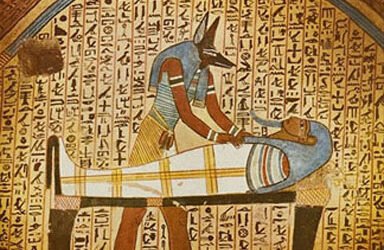
Makeup was also integral to burial rituals. Pharaohs and nobles were buried with cosmetic containers, brushes, and mirrors to ensure they entered the afterlife looking divine. This practice is visible in the tomb decorations of queens and kings, such as those found in the The Valley Of The Kings and the exquisite Tomb Of Nefertari. For Egyptians, looking beautiful was a way to reflect inner harmony and divine favor.
Action: Explore Ancient Egyptian Makeup on Your Journey
To truly understand the depth and artistry of ancient Egyptian makeup, witnessing it in person is an unforgettable experience. Travelers can admire ancient cosmetic palettes, pots, and tools displayed at museums and archaeological sites across Egypt. Combine your cultural exploration with a luxurious journey such as the luxury Egypt tour package, which allows you to experience both modern elegance and ancient heritage.
If you wish to dive even deeper into the mysteries of ancient beauty and artistry, you can join tailored experiences through Ancient Egypt Tours that take you to temples, tombs, and museums showcasing cosmetics, jewelry, and art. A cruise along the Nile, like the Oberoi Zahra Nile Cruise, offers a chance to see the landscapes that inspired the ancient Egyptian aesthetic while visiting key sites of pharaonic beauty.
Materials and Techniques of Ancient Egyptian Cosmetics
Ancient Egyptian makeup relied on natural minerals and oils derived from plants and stones. The primary tools included small spoons, grinding palettes, and application sticks made of ivory or wood. Women and men used unguents made from animal fats and scented oils to moisturize their skin, an essential practice in Egypt’s dry climate. The art of creating cosmetics was linked to the goddess Hathor, patron of love and beauty. Evidence of cosmetic workshops has been unearthed near temples, such as at Dandara Temple, suggesting how central beauty rituals were to religious life.
Perfumes and oils were equally vital. They were infused with myrrh, lotus, and frankincense—scents that played an important role in both daily grooming and rituals. Many of these fragrances continue to inspire perfumers today.
Cultural Legacy: From Pharaohs to Modern Fashion
The impact of ancient Egyptian makeup transcends centuries. Modern fashion designers and makeup brands often take inspiration from the dramatic eyeliner styles, bold lip paints, and shimmering metallic colors of the ancients. Cleopatra’s image, with her perfectly defined eyes, remains a global symbol of power and allure. Her iconic look can be traced back to the same formulas used thousands of years earlier by her ancestors.
When visiting Egypt today, you can see how these traditions endure. The streets of Cairo City and Luxor City still sell natural kohl powders in local markets, keeping alive a heritage that bridges ancient and modern worlds. For those eager to explore Egypt’s artistic and cultural evolution, a journey like the Egypt adventure tour offers immersive encounters with history’s enduring beauty rituals.
The Spiritual Meaning of Makeup in Egyptian Culture
Makeup in ancient Egypt wasn’t vanity—it was protection against chaos. The act of painting one’s eyes symbolized invoking divine order and warding off the evil eye. The ritual mirrored the mythology of the gods, such as the story of Horus and Set, where restoring Horus’s eye represented healing and balance. This sacred connection between appearance and cosmic harmony permeated every layer of Egyptian society. Even pharaohs and priests applied cosmetics before ceremonies to embody divine perfection.
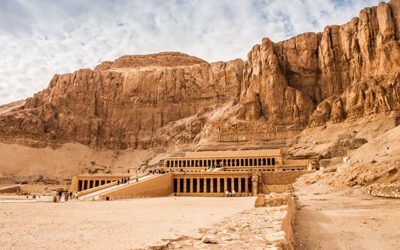
In temples like Temple Of Hatshepsut, wall reliefs depict queens and deities adorned with elaborate face paint, underscoring the divine role of cosmetics. The symbolism extended beyond life into death, ensuring eternal beauty and protection in the afterlife.
Preserving the Ancient Egyptian Makeup Legacy
Today, archaeologists and scientists continue to analyze ancient cosmetic remains to understand their composition and cultural relevance. Places such as The National Museum Of Egyptian Civilization exhibit original cosmetic items that reveal the sophistication of ancient chemistry and design. These findings remind us that ancient Egyptian makeup represented a perfect fusion of art, health, and spirituality.
Whether you’re drawn by the beauty of Nefertiti or the mystery of the pyramids, exploring Egypt’s ancient cosmetic traditions adds depth to your journey. If you’re planning such an exploration, consider the best Egypt itinerary that includes visits to cultural landmarks and museums where Egypt’s makeup heritage still shines.
FAQs About Ancient Egyptian Makeup
1. What materials did ancient Egyptians use for makeup?
They used natural minerals like malachite, galena, and ochre, mixed with animal fats and oils. These ingredients were not only decorative but also offered sun protection and antibacterial benefits.
2. Did both men and women wear makeup in ancient Egypt?
Yes, makeup was universal. Both genders applied kohl, eye shadow, and perfumes as a sign of cleanliness, piety, and protection from evil forces.
3. What was the spiritual meaning of eye makeup?
The dark eyeliner represented the Egyptian Eye Of Horus, a symbol of protection, health, and divine power. It was believed to guard against evil spirits and disease.
4. Where can I see ancient Egyptian cosmetic artifacts today?
You can view ancient cosmetic tools and jars at the The Egyptian Museum Of Cairo and The National Museum Of Egyptian Civilization, among others.
5. How can I explore more about ancient Egyptian culture?
Book an immersive cultural experience through specialized tours like Ancient Egypt Tours or a complete Egypt Tour Packages to uncover the beauty, artistry, and history that shaped one of the greatest civilizations on earth.